


Gilbert’s syndrome
Gilbert syndrome is an inherited bilirubin-metabolism variant in which unconjugated bilirubin rises intermittently without major liver damage, so what matters is not only the number itself but also the conditions that amplify its fluctuations.




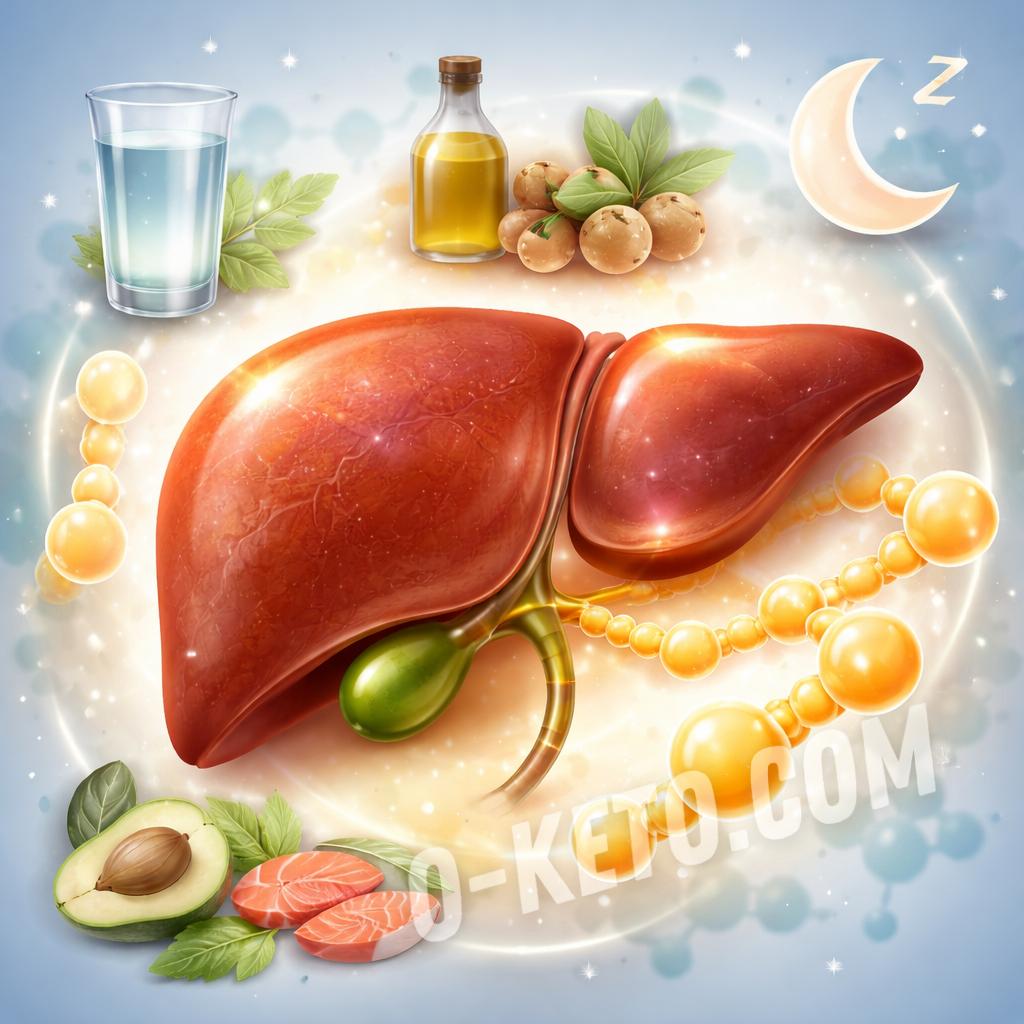
Gilbert syndrome is an inherited variation of bilirubin metabolism in which the liver conjugates unconjugated bilirubin more slowly than usual. As a result, blood tests may show intermittent rises in the indirect bilirubin fraction, and a person may occasionally notice mild yellowing of the sclerae or discover the issue by chance during routine testing. The practical importance of the condition is that the word “bilirubin” often sounds alarming, even though Gilbert syndrome by itself does not mean major liver destruction. The more useful task is to understand when the pattern fits Gilbert syndrome and when a different cause must be investigated.
Why bilirubin rises
The central mechanism is reduced activity of the enzyme involved in conjugating unconjugated bilirubin. This is a constitutional trait rather than an acquired inflammatory liver disease. That is why typical Gilbert syndrome is not usually accompanied by major hepatitis-like changes, marked hepatocellular injury or a strong cholestatic pattern. The rise is mainly in indirect bilirubin, while liver enzymes often remain normal. This logic is exactly what makes Gilbert syndrome such an important differential point in lab interpretation.
A common mistake is to see any bilirubin elevation and automatically think of serious liver disease without analyzing fractions and context.
What can make it more visible
Even with a constitutional trait, bilirubin often fluctuates. It may rise with fasting, sleep deprivation, stress, dehydration, infection, heavy training, alcohol or abrupt dietary changes. This is why someone may live for years without obvious issues and then suddenly see a “spike” in testing after illness, hard exercise or long gaps between meals. Gilbert syndrome therefore does not exist separately from lifestyle and wider metabolic context.
The more stressed and depleted the body becomes, the more visible this bilirubin-handling trait may look in tests or in the mirror.
How it may appear in daily life
Many people have no meaningful symptoms at all and discover Gilbert syndrome incidentally. Others notice slight yellowing of the eyes, especially during fatigue, infection or fasting. Sometimes a person interprets this as “bad liver,” although the real picture is much milder. In practical terms it matters to separate benign fluctuating hyperbilirubinemia from situations that include pain, itching, dark urine, pale stool, high direct bilirubin or other signs of a less innocent hepatobiliary problem.
It is the surrounding symptoms and lab structure that tell us whether we are still in a typical Gilbert pattern or moving into a different diagnosis.
Diet and metabolic context
Gilbert syndrome is particularly sensitive to harsh fasting, abrupt calorie restriction and high stress load. In practical terms that means extreme dietary patterns, long intervals without food and states of depletion may make bilirubin more noticeable. This does not mean a person must snack constantly, but it does mean that severe metabolic swings are often tolerated poorly. Nutrition matters here as a support for stability rather than as “liver treatment” in the simplistic everyday sense.
The more even the routine, the less likely this benign metabolic trait is to look like a fresh problem each time.
Why calm interpretation matters here
Gilbert syndrome creates unnecessary anxiety mainly because people see the word “bilirubin” without understanding fractions or the usually benign pattern behind it. If there are no strong signs of liver injury and the rest of the picture is stable, excessive catastrophizing only damages quality of life. In practical terms the lab result should not be ignored, but a constitutional trait should not be turned into a permanent source of panic either. Calm interpretation helps separate a bilirubin-handling variant from true liver danger.
When closer evaluation is needed
Closer evaluation is needed if elevated bilirubin is accompanied by rising liver enzymes, strong symptoms, pain, itching, changes in urine or stool color, anemia or other atypical findings. The most sensible way to think about Gilbert syndrome is as a benign inherited trait of bilirubin handling that must be distinguished from true liver pathology.
If you have any questions about the term "Gilbert’s syndrome", you can ask them to AI. Please note, a low-cost OpenAI model is used. It may answer questions about disease treatment with errors!


 1 / 4
1 / 4
 1 / 4
1 / 4
 1 / 4
1 / 4 1 / 4
1 / 4