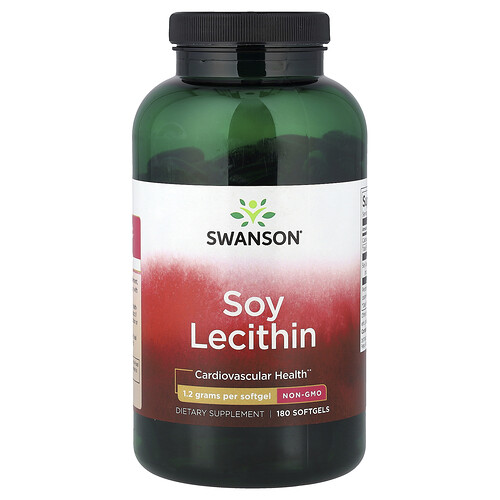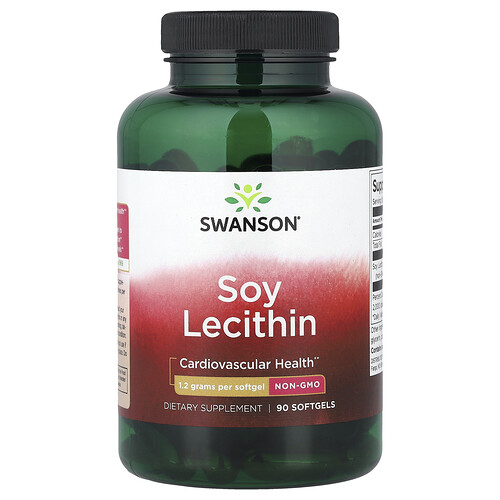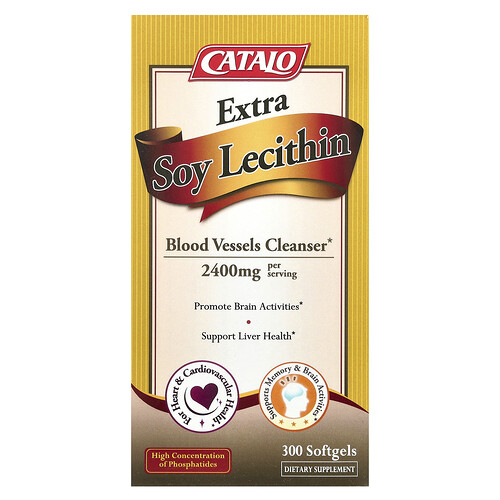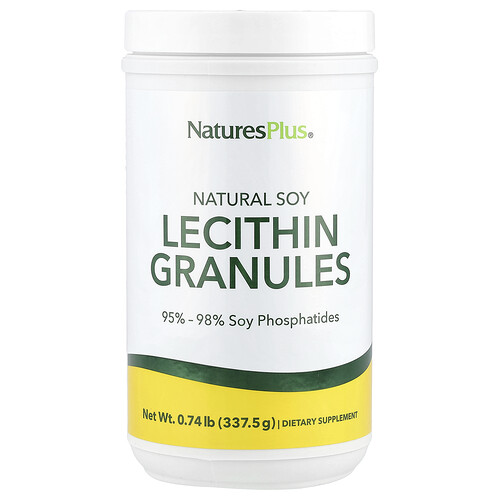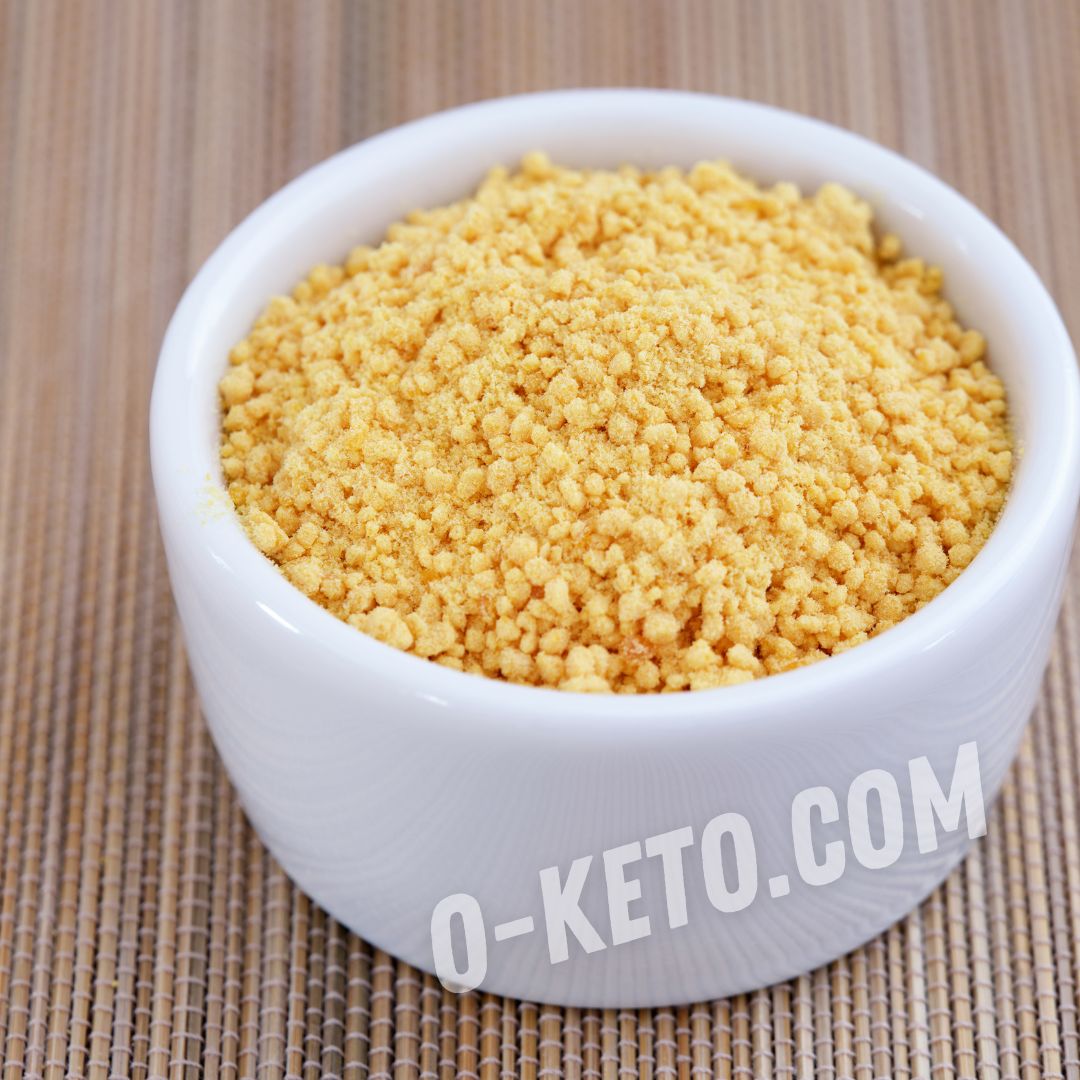

Soy lecithin is a mixture of phospholipids obtained from soybeans and used mainly as an emulsifier. It helps combine the fat and water parts of a product and improves the texture of chocolate, creams, sauces, protein mixes, capsules, powders and some baked goods. In home cooking it is used less often, but it appears in supplements and packaged foods quite frequently.
Lecithin is not an ordinary food like cheese, vegetables or fish. It is a technological ingredient and sometimes a dietary supplement in granules, powder, liquid form or capsules. It is usually gluten-free and can fit a vegan diet if the other components of the product are also plant-based.
Composition and Food Role
Soy lecithin contains phospholipids, which may include phosphatidylcholine, phosphatidylethanolamine and phosphatidylserine. These names often appear in supplement descriptions, but they should not be turned into promises. In foods, lecithin is usually included not for an “effect,” but for structure: it makes a mixture more uniform and stable.
The exact nutrition values depend on the form. Granules, powder, liquid lecithin and lecithin capsules can differ in fat, calories, serving size and added components. For keto, the label of the specific product matters more than the word “lecithin” alone.
Choline creates another common confusion. Lecithin may contain choline-containing compounds, but there is no separate established daily requirement for soy lecithin itself. Choline intake values often cited for adults cannot be automatically converted into grams of lecithin without composition data for the exact supplement.
Is It Keto-Friendly?
Soy lecithin itself is usually used in small amounts, so as an ingredient it rarely becomes the main source of carbohydrates. For keto, the more important question is where it appears. Lecithin in sugar-free chocolate, protein powder or capsules is one situation; lecithin in sweet baked goods, a bar or a dessert with syrup is another.
If lecithin is bought separately, check serving size, calories, fat, carbohydrates and additives. Granules can have meaningful energy value because this is not a “zero” ingredient. But it is usually used by teaspoons or less, not as a main food.
Soy lecithin does not make a product low-carb. If the ingredient list contains sugar, flour, starch, syrups or sweet glaze, the presence of lecithin does not change that. It is responsible for texture, not for low carbohydrate content.
Where It Appears
In packaged foods, soy lecithin is often found in chocolate, cocoa products, margarines, creams, sauces, mayonnaise, protein bars, powder mixes, capsules and gluten-free baked goods. It is added so a mixture does not separate, blends more easily and has a smoother texture.
In keto products, lecithin is often seen in sugar-free chocolate, MCT powders, protein mixes and oil capsules. By itself it is not the main issue, but nearby ingredients may include maltitol, sugar, starch, dextrose, milk powder or other components that need separate counting.
How to Use It
In home cooking, soy lecithin can be useful for emulsions: sauces, chocolate mixtures, creams, drinks with fat or powder blends. The amount is usually small, and it is better to start with the lowest amount in the recipe. Too much can create an unpleasant texture, off flavor or overly viscous mixture.
Practical options include:
- a small amount in homemade sugar-free chocolate;
- an addition to sauce when fat and liquid need to combine;
- use in a powder blend when clumping needs to be reduced;
- capsules or granules only according to the package instructions;
- checking the whole recipe, not only the lecithin itself.
How to Choose
Choose a product with a clear ingredient list: soy lecithin without sugar, flavorings or unnecessary fillers. If GMO status, allergens or processing method matter, look for the relevant marks on the package. Soy protein and soy lecithin are not the same thing, but people who react to soy should treat such products carefully.
The form depends on the task. Granules are convenient as a supplement and for some recipes, liquid lecithin mixes better into fatty masses, powder is easier to dose into dry blends, and capsules fit those who use it as a separate supplement. For cooking, capsules are usually inconvenient.
Limits and Substitutes
Soy lecithin is not required in a keto diet. If it appears in an otherwise suitable product, that can be fine; if it is absent, there is no need to add it without a purpose. Individual reactions to soy, additives or the product form are possible, so new products are best tested with a small serving.
For emulsions, egg yolk, sugar-free mustard, sunflower lecithin, xanthan gum or simply stronger blending may work, depending on the recipe. If the goal is to avoid soy, sunflower lecithin is usually the closest in technological role.