


Neurodegenerative diseases
A group of conditions in which the function and survival of nerve cells are gradually impaired; it includes diseases with increasing deterioration of memory, motor functions, coordination and other neurological processes.


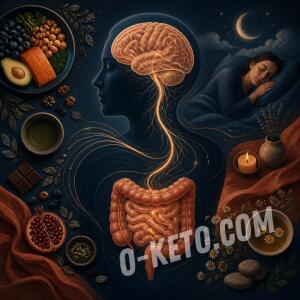

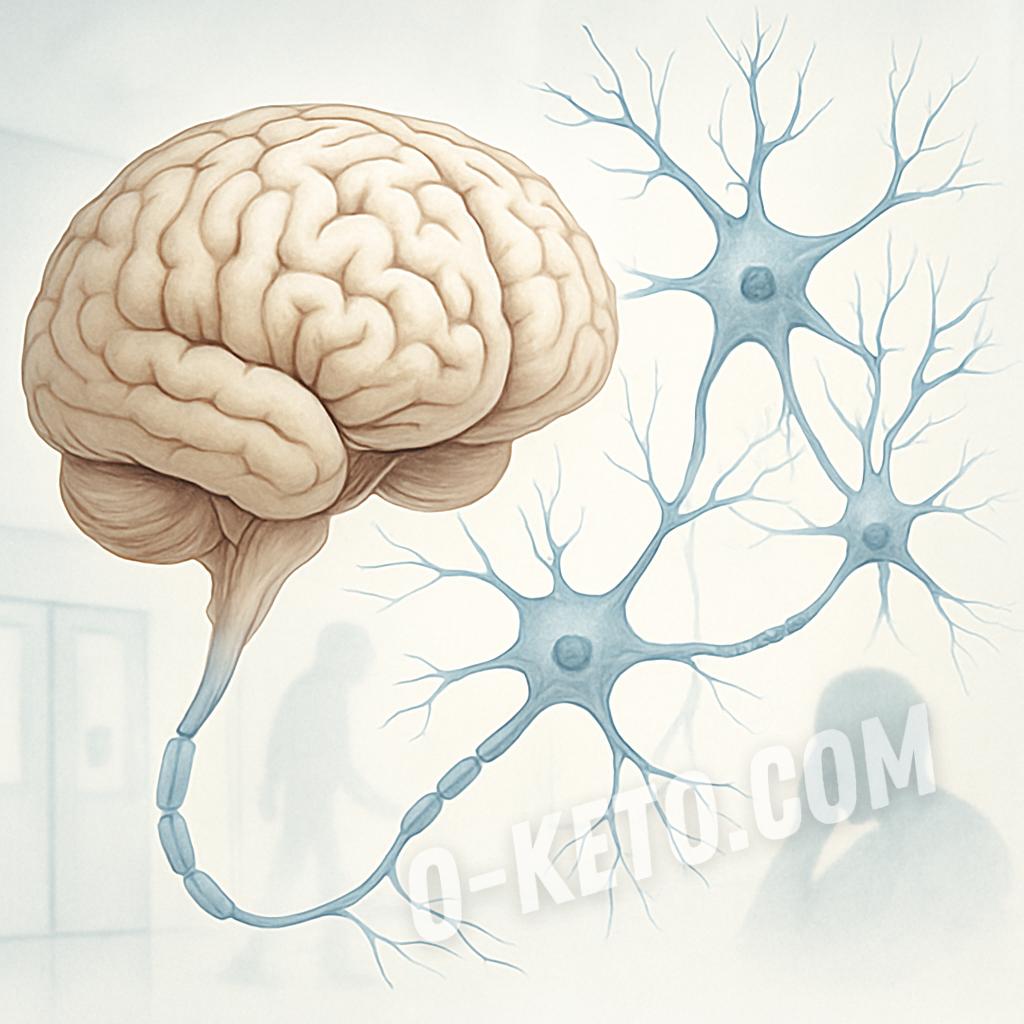
Neurodegenerative diseases are conditions in which nerve cells gradually lose function, become damaged, or die faster than the body can compensate for these changes. This is not one diagnosis, but a whole group of disorders, which includes, for example, Alzheimer’s disease, Parkinson’s disease, some forms of dementia, amyotrophic lateral sclerosis and other pathologies with increasing deterioration of memory, thinking, coordination, speech or movement. The general feature here is that the problem does not develop acutely, but gradually, often over years, and may initially appear very nonspecific.
It is important to treat such diseases with caution. Diet, lifestyle, and nutritional support can influence quality of life, risk factor control, and overall brain health, but they are not a substitute for neurological diagnosis or treatment in their own right. If a person’s forgetfulness increases, his gait changes, tremors, weakness, instability, speech problems or pronounced changes in behavior appear, this is a reason not for self-medication, but for a full examination.
What diseases are included in this group
Neurodegenerative diseases usually refer to a broad class of conditions associated with gradual damage to different parts of the nervous system. In some patients, memory and cognitive function are primarily affected, in others motor control, in others speech, coordination or muscle strength. This is why the group is very heterogeneous: the mechanisms, rate of progression and prognosis can vary greatly.
In practice, this means that recommendations cannot be transferred automatically from one diagnosis to another. The approach discussed for Alzheimer’s disease will not necessarily be the same for Parkinson’s disease or motor neuronal disorders. Even within the same nosology, the role of nutrition, sleep, physical activity, medications and concomitant diseases can differ markedly.
Why is the nervous system vulnerable?
Nervous tissue requires a very stable energy supply, good blood flow, normal mitochondrial function and control of inflammatory processes. Brain and peripheral nervous system cells are affected by oxidative stress, protein metabolism disorders, vascular factors, chronic hyperglycemia, insulin resistance, B vitamin deficiencies, sleep disorders and chronic inflammation. They are not always the primary cause of the disease, but they can accelerate the deterioration of the condition or worsen the tolerability of an existing disease.
Age, genetics, trauma, toxic exposures, and underlying vascular problems play additional roles. Therefore, a neurological diagnosis rarely exists “in a vacuum.” For some patients, hypertension, type 2 diabetes, obesity, atherosclerosis, lack of exercise and poor sleep are also significant. Addressing these factors does not eliminate the disease, but often remains an important part of overall brain support.
What symptoms need attention?
Signals can be very different: deterioration of short-term memory, loss of orientation, difficulty finding words, slowing of movements, tremors, stiffness, gait disturbances, clumsiness, changes in handwriting, weakness in the limbs, changes in mood and behavior. Sometimes the first noticeable symptoms are sleep disturbances, anxiety, decreased motivation, loss of smell, or unexplained fatigue. Individually, they do not always mean a neurodegenerative disease, but persistent, increasing dynamics require evaluation by a specialist.
It is especially important not to attribute to age those things that noticeably change everyday life: a person begins to get confused in familiar routes, forgets basic actions, becomes less stable, falls, swallows worse, and loses the ability to perform usual work. Such signs should be assessed clinically, and not through everyday guesses about “poor memory” or “overwork.”
The role of nutrition and metabolic background
Although nutrition does not cure neurodegenerative diseases on its own, the metabolic background significantly affects the state of the nervous system. Glucose control, vascular risk reduction, adequate protein, adequate Omega-3 intake, correction of deficiencies of B12, folate, magnesium and other essential nutrients are often discussed as part of overall support. For some patients, a low-carbohydrate or ketogenic approach may be considered by a physician as a tool to improve glycemic stability, body weight, or energy tolerance, but this always depends on diagnosis, age, medications, and functional status.
Equally important are hydration, maintaining muscle mass, preventing sarcopenia, and swallowing safety if the disease is already affecting daily activities. In case of severe cognitive or motor impairments, the diet should not only be “healthy”, but also realistic: sufficient in calories, feasible for the family and safe in terms of drug interactions.
How surveillance and support are built
The approach usually includes neurological assessment, sometimes neuroimaging, cognitive testing, monitoring of sleep, blood pressure, glucose, lipids and associated deficits. Physical activity within the patient’s ability, balance training, fall prevention, social support, and control of comorbid depression or anxiety are important. In some cases, working with a speech therapist, occupational therapist, rehabilitation specialist, or clinical nutritionist is helpful.
The practical conclusion here is this: neurodegenerative diseases require long-term systemic support. Nutritional measures can be a useful part of the overall regimen, especially if it is necessary to reduce vascular and metabolic risk factors, but they must fit into the actual clinical picture and not replace diagnostics, medications and observation by a neurologist.
If you have any questions about the term "Neurodegenerative diseases", you can ask them to AI. Please note, a low-cost OpenAI model is used. It may answer questions about disease treatment with errors!


 1 / 4
1 / 4

 1 / 4
1 / 4


 1 / 4
1 / 4 1 / 4
1 / 4