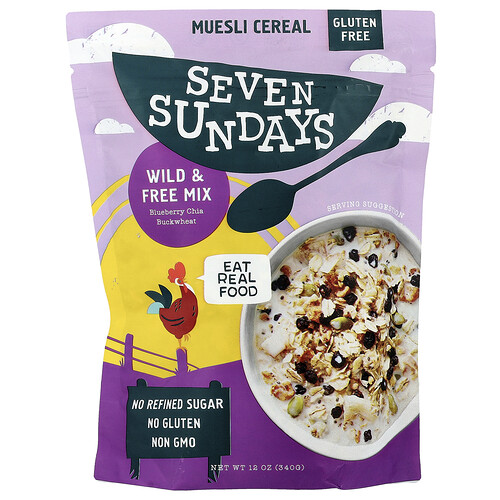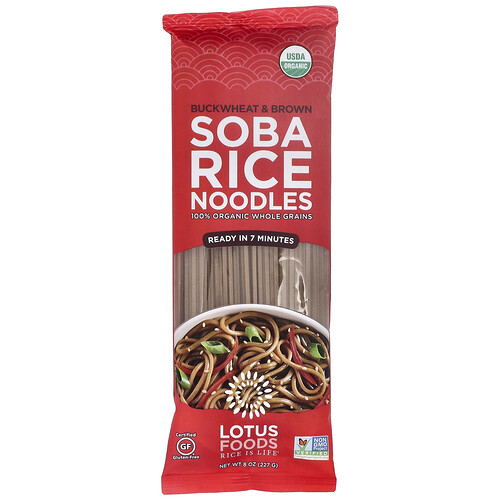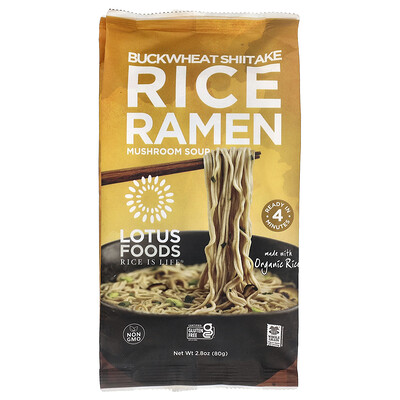

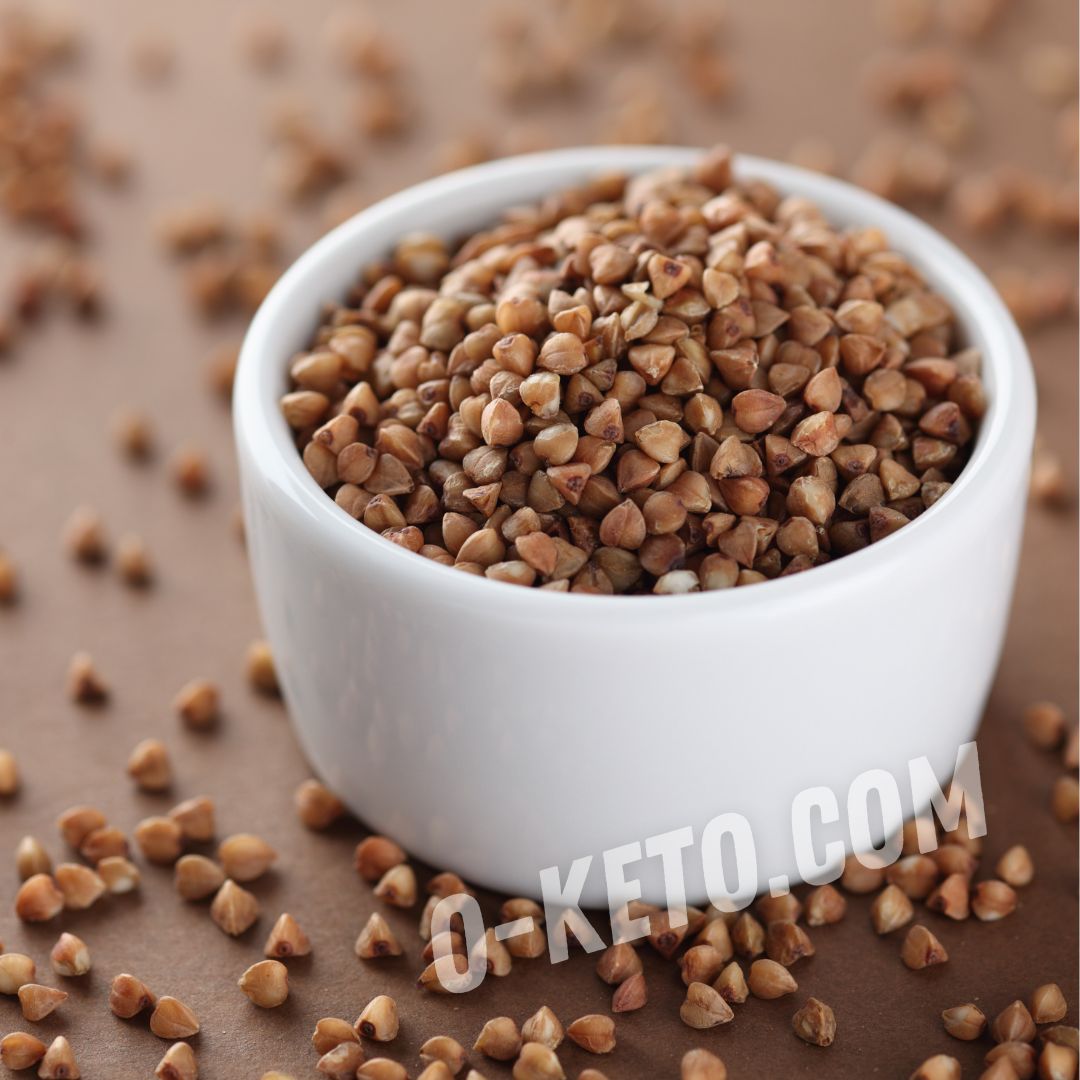

Buckwheat is the seed of the buckwheat plant, not a true cereal grain, although it is used like a grain in cooking. It has a nutty, slightly earthy taste, firm texture, and a distinct aroma after roasting. Buckwheat is used for porridge, side dishes, casseroles, flour, soba noodles, and additions to vegetable or meat dishes. In Eastern European cooking it is familiar and practical, but for strict keto it is not as simple as greens or meat.
The main reason is carbohydrate content. Buckwheat can be nutritious, gluten-free, and convenient in a regular diet, but it remains a starchy seed used as a grain. In LCHF, it is better viewed not as a free side dish, but as a rare, small, deliberate inclusion if your personal carbohydrate limit allows it.
Nutrition profile
In 100 g of dry buckwheat there are usually about 340 kcal, roughly 13 g protein, 3–4 g fat, and about 70 g carbohydrate, with around 10 g as fiber. After cooking, the weight increases about 2–2.5 times, so 100 g of cooked porridge is not the same as 100 g of dry groats. For tracking, it is important to know whether the nutrition table refers to the dry product or the cooked serving.
Buckwheat contains magnesium, iron, zinc, B vitamins, and rutin. These facts do not cancel its carbohydrate load. It can be a reasonable part of a regular menu, but on keto the decision should be made by the numbers, not by the reputation of being a “good grain.”
Is it suitable for keto?
For strict keto, buckwheat usually does not work as a full side dish. Its glycemic index is often listed around 54–60, while the glycemic load depends on portion size. Even a modest bowl of cooked buckwheat can take a large share of a daily carbohydrate budget. A suggestion such as “no more than 20 g dry buckwheat” makes sense only as an occasional compromise, not as a daily base.
If someone follows a softer LCHF plan, trains actively, or keeps a higher carbohydrate limit, buckwheat may sometimes fit in a small portion. In that case, pair it not with bread or sweet sauces, but with fat, protein, and non-starchy vegetables: egg, butter, mushrooms, meat, poultry, fish, cucumbers, cabbage, greens, or a sugar-free sour cream sauce.
How to cook it
Before cooking, sort and rinse buckwheat. For a fluffy side dish, a common ratio is one part groats to two parts water. Bring to a boil, add salt, and cook over low heat until the liquid is absorbed. Roasted buckwheat has a stronger aroma; green buckwheat tastes milder and behaves differently. For a keto-sized portion, it is easier to measure the dry groats first because cooked porridge expands on the plate very quickly.
Buckwheat flour and soba noodles need separate counting. Soba often contains wheat flour, and buckwheat flour in baking is still carbohydrate-rich. Gluten-free does not mean low-carb. For packaged products, the ingredient list matters more than the name.
What to pair with it
Buckwheat works best with foods that add fat, protein, and juiciness without sugar: butter, eggs, mushrooms, stewed cabbage, cucumbers, greens, meat, poultry, fish, sour cream, creamy sauce, and unsweetened yogurt. This makes a small portion feel more complete. Sweet buckwheat porridge, honey, dried fruit, sweetened milk, and large berry portions quickly raise carbohydrates.
How to choose
The groats should be dry, without musty smell, insects, or too many broken pieces. Whole roasted groats are good for a fluffy side dish, cracked buckwheat cooks down faster, and green buckwheat has a milder taste and is often used for sprouting or soft porridge. For longer storage, choose an undamaged package and move the groats into an airtight jar.
Limits
The main limit is not gluten, but starch. Buckwheat is gluten-free, but that does not make it low-carb. People keeping a very low carbohydrate limit will usually find it easier to replace it with a vegetable base. Personal digestive tolerance also matters: for some people, grain-like foods can feel heavy or cause bloating, especially in large servings.
Storage
Keep dry buckwheat in a dark, dry cabinet, in a tightly closed jar. Moisture, heat, and an open bag reduce flavor quality and increase the risk of pantry insects. Cooked buckwheat should be stored in the refrigerator in a covered container and eaten within a few days. Reheat a small portion rather than the whole pot.
What can replace it?
In keto dishes, buckwheat is usually replaced not with another grain, but with a low-carb base: cauliflower rice, chopped mushrooms, stewed cabbage, zucchini, konjac rice, or a vegetable mixture with butter. If you want a nutty note, add a small amount of sesame, hemp seeds, toasted nuts, or flax meal, but the taste and texture will belong to a different dish.
Roasting, rutin and buckwheat form
Brown buckwheat is usually roasted and has a stronger nutty flavour, while green buckwheat keeps a softer herbal aroma and is often soaked, sprouted or milled into flour. Buckwheat contains rutin, quercetin and other polyphenols, but their presence describes the composition of the food rather than proving a therapeutic effect. Variety, hulls, milling and processing all matter.
For keto, buckwheat remains a starchy cereal-like food regardless of its colour or name. In a less restrictive plan, whole groats have a different texture and cooking behaviour from flour, noodles or flakes, so their portions should not be treated as interchangeable.