


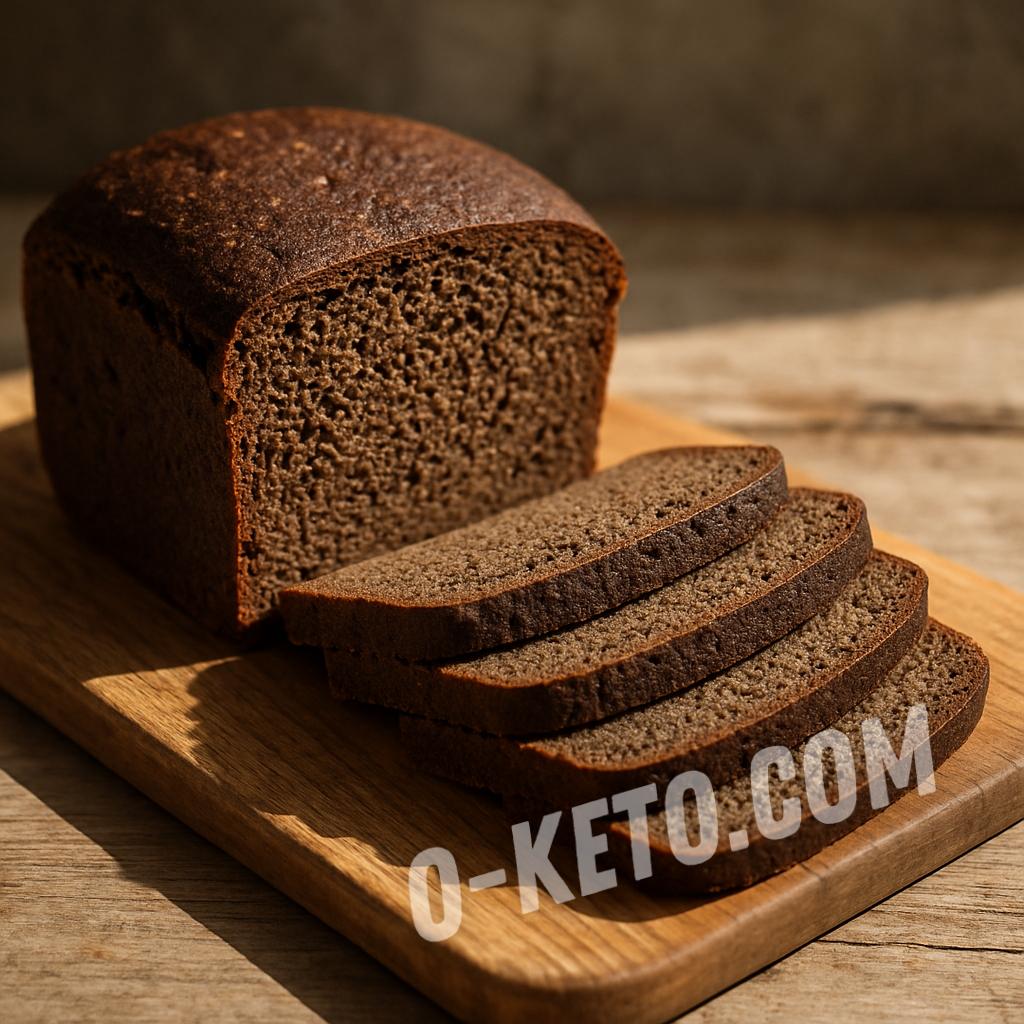

Rye bread is made from rye flour or a mixture of rye and wheat flour. It is usually darker, denser, and more acidic than white wheat bread, especially when fermented with sourdough.
It can provide fiber, manganese, magnesium, iron, zinc, and B vitamins, but it remains a starch-rich food. For strict keto, regular rye bread is not low-carb even when it is whole-grain or sourdough.
Background and use
Rye became important in northern and eastern Europe because the crop tolerates cool climates and poorer soils better than wheat. Traditional rye bread is therefore common in Russian, Baltic, Scandinavian, and German food cultures.
Sourdough fermentation improves flavor and texture and may reduce some antinutrients, but it does not remove the main carbohydrate load.
Nutrition
Per 100 g, rye bread often provides about 250–270 kcal, 8–9 g protein, 2–4 g fat, and 45–50 g carbohydrates, with several grams of fiber. Exact values depend on the flour, added wheat, malt, sugar, seeds, and moisture.
Rye bread is notable for manganese, magnesium, phosphorus, iron, zinc, thiamin, riboflavin, niacin, and folate. Its protein is not complete, so it should not be treated as a primary protein source.
Keto relevance
Rye bread generally has a lower glycemic index than white bread, but a normal slice still has a meaningful glycemic load. On strict keto, even one slice may use much of the daily carbohydrate limit.
For a looser low-carb diet, a small portion may fit better when eaten with protein, fat, and vegetables. People with diabetes or insulin resistance should judge it by their own glucose response.
Choosing and storage
Choose bread with a simple ingredient list: rye flour, water, sourdough, salt, and sometimes seeds. Added sugar, syrups, refined wheat flour, and improvers make the product less useful nutritionally.
Rye bread keeps best in paper or a bread box. If used rarely, sliced bread can be frozen and thawed portion by portion.


