


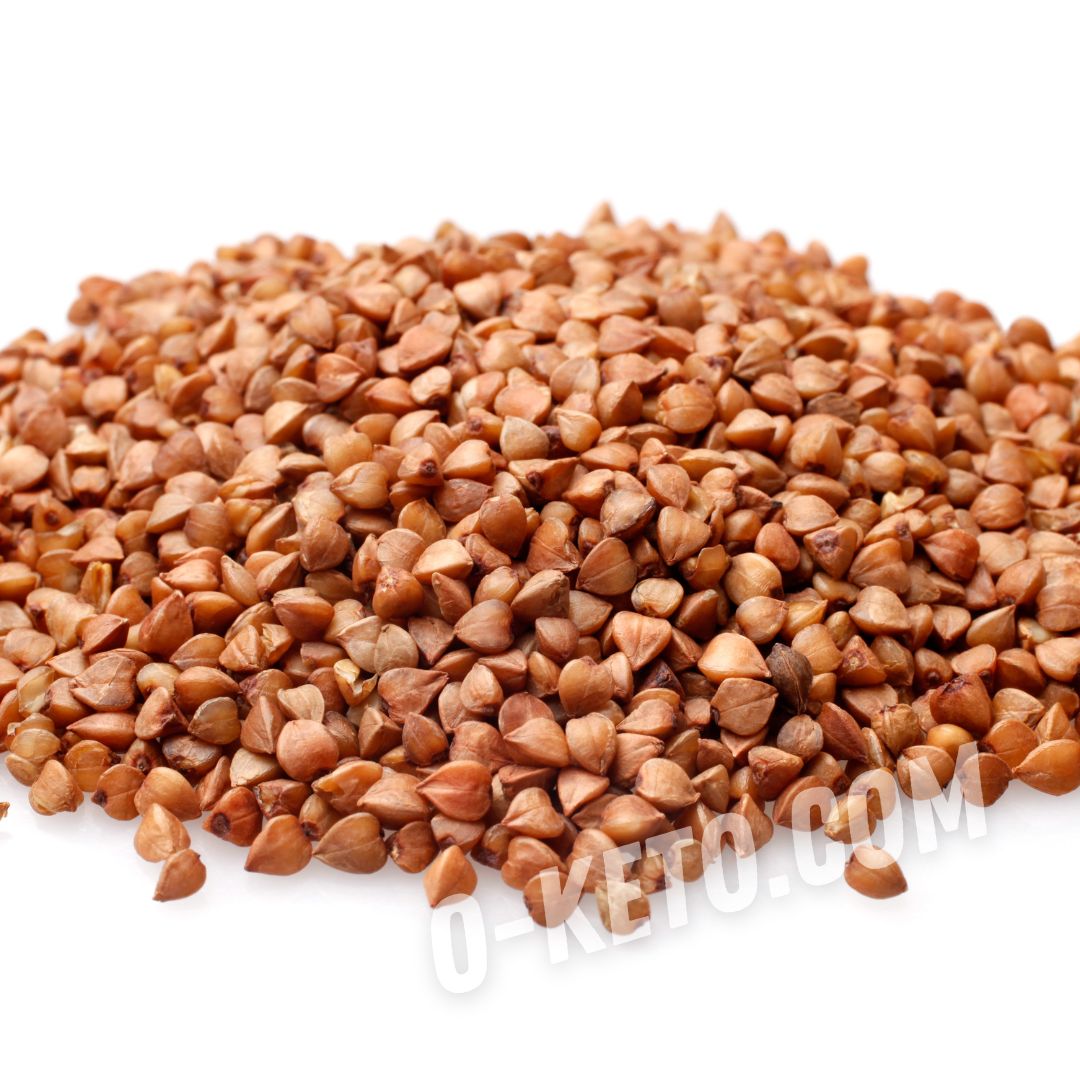

Tartary buckwheat is a type of buckwheat also known as Tatar buckwheat. It is used as groats, flour, an addition to porridge, crispbreads, noodles and plant-based dishes. Its flavor can be more pronounced, grassy and slightly bitter than familiar common buckwheat, so recipes need careful portioning.
Historically, such crops were valued for being undemanding, easy to store and able to grow in different conditions. In cooking, it can appear in porridges, grain blends, fermented preparations, flour and products for people avoiding gluten. But for keto and LCHF, the key question is not gluten; it is the amount of starchy carbohydrates.
Nutrition
Per 100 g of dry Tartary buckwheat, common values include about 13-15 g of protein. It also contains fiber, magnesium, iron and B vitamins. These facts make it a nutritious grain-like food, but they do not change its carbohydrate nature: dry buckwheat remains a concentrated source of starch.
The glycemic index is often listed around 54. This is not the highest value among grains, but it is still meaningful for keto. Cooked porridge contains more water than dry groats, but the portion is usually measured by a bowl rather than a few spoons, so carbohydrates add up quickly.
It is important to distinguish dry and cooked product. 30-50 g of dry buckwheat becomes a noticeable serving after cooking. If only the cooked weight is considered, it is easy to underestimate how much dry grain went into the recipe.
Is It Keto-Friendly?
For strict keto, Tartary buckwheat usually does not fit. It is a grain-like food, not a low-carb vegetable or fat source. Even though it contains protein and fiber, its main nutritional load remains carbohydrate-based. A regular bowl of porridge therefore does not pair well with a low daily carbohydrate limit.
In more flexible LCHF, small amounts may be possible if counted in advance. A guideline of 30-50 g of dry product is already a noticeable carbohydrate serving, not a tiny addition. It is better used rarely and only in a dish that also contains protein, fat and non-starchy vegetables.
If the goal is strict low-carbohydrate eating, it is better not to build meals around buckwheat. It can be an interesting grain-like ingredient for regular or moderate-carbohydrate eating, but its place in keto is limited.
How to Use It
Tartary buckwheat has a stronger taste, so it is often mixed with common buckwheat, vegetables, mushrooms, meat, butter and spices. If the product seems bitter, reduce the portion, rinse the groats before cooking or use it as a small addition rather than the base of the dish.
Practical options outside strict keto include:
- a small amount in a mix with vegetables and meat;
- an addition to multi-grain porridge when carbohydrates are not tightly restricted;
- flour for crispbreads or pancakes when buckwheat flavor is needed;
- a side dish on a day without other starchy foods;
- a rare tasting portion instead of a familiar large bowl of porridge.
How to Choose and Store
Choose groats without musty smell, mold, insects or a lot of debris. The grains should be dry, evenly colored and without moisture marks. If buying flour, freshness and sealed packaging are especially important: buckwheat flour loses aroma faster and can become rancid.
Store Tartary buckwheat in a cool dry place, in a tightly closed jar or container. Strong-smelling foods should not be nearby because groats and flour absorb odors easily. After opening, it is useful to mark the date, especially if the product is used rarely.
Limits
The main limit is carbohydrates. The product may be gluten-free, plant-based and rich in flavor, but that does not make it a keto staple. Buckwheat also has a pronounced taste that does not suit every dessert, baked item or neutral side dish.
If grains or unfamiliar high-fiber foods are not well tolerated, start with a small portion. Ready-made products from Tartary buckwheat, such as crispbreads, noodles and pancake mixes, need separate checking: they may contain rice flour, sugar, starch and other carbohydrate additions.
Substitutes
In a keto diet, cauliflower, broccoli, zucchini, mushrooms, chopped nuts, seeds, hemp hearts or shirataki noodles are more common substitutes for buckwheat porridge when a side-dish role is needed. They do not copy buckwheat flavor, but they keep volume with a lower carbohydrate load.
If buckwheat aroma itself is needed, a very small amount of buckwheat flour or groats can be used as a flavor accent rather than the base. For strict keto, even this approach still requires exact counting.
Rinsing and Flavor
Before cooking, Tartary buckwheat is worth sorting and rinsing: this removes dust and gives a cleaner flavor. Light dry toasting in a pan can bring out a nuttier note, but it does not change the carbohydrate content. This preparation improves taste; it does not make the grain more suitable for strict keto.
How Tartary buckwheat differs
Tartary buckwheat often has a stronger herbal and sometimes bitter flavour than common buckwheat. It is used as groats, flour and an ingredient in grain mixes, but its gluten-free status does not change its starchy nature. Its polyphenols are interesting from a nutritional perspective, yet their amount and taste depend on variety, hulls and processing, so the name alone does not justify therapeutic claims.


