


Glycemic load
A measure that considers both glucose-raising speed and carbohydrate amount in a portion; more useful than glycemic index alone for judging real meals.


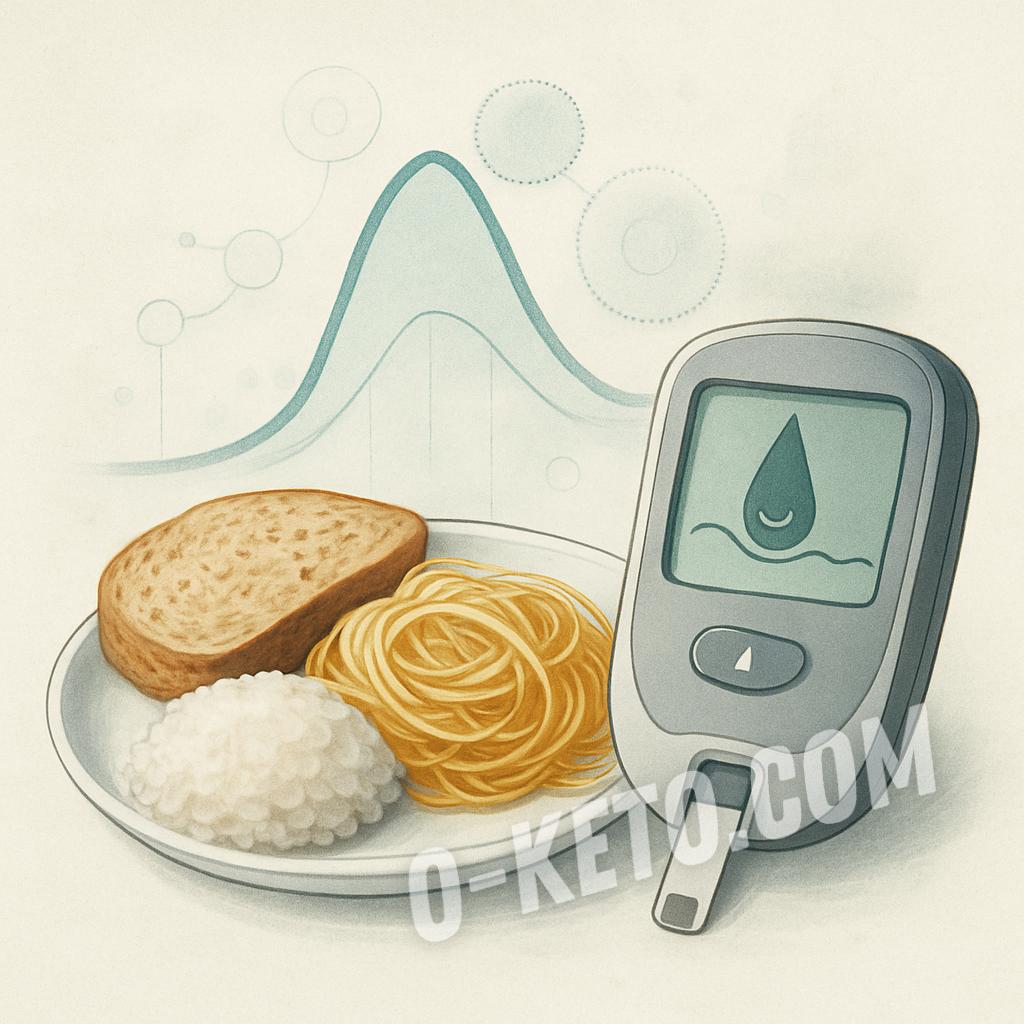
Glycemic load estimates how much a specific portion of food may raise blood glucose. Unlike glycemic index, it considers not only how quickly carbohydrate is absorbed but also how much available carbohydrate is present in a normal serving. A food with a high glycemic index can have a moderate load if the portion contains little carbohydrate, while a food with a medium index can create a high load when the serving is large. For insulin resistance, diabetes, reactive glucose swings, or low-carbohydrate eating, this is more practical than looking at index alone.
How it is calculated
Glycemic load is usually calculated as glycemic index multiplied by grams of available carbohydrate in the serving and divided by 100. Available carbohydrate means carbohydrate that is digested and can raise glucose; fiber is often subtracted when listed separately. The formula highlights a simple idea: carbohydrate quality and dose both matter. A small serving of carrot and a large glass of juice are different situations even if both come from the same food family.
A load of about 10 or less per serving is often considered low, 11–19 medium, and 20 or more high. These cutoffs are not a diagnosis and do not replace individual measurement. Response depends on time of day, sleep, stress, exercise, meal composition, eating speed, gut status, medication, and baseline insulin sensitivity. Tables are a starting point, not absolute truth.
Why index alone can mislead
Glycemic index is measured using a portion that contains a fixed amount of carbohydrate, not a typical portion of the food. Watermelon is a common example: the index may be high, but a usual slice does not contain a huge amount of carbohydrate, so the load is lower than expected. The opposite occurs with grains, bread, rice, potatoes, and sweet drinks. If the portion is large, load rises quickly even when the food is marketed as slow or whole grain.
For low-carbohydrate eating, glycemic load is useful because it brings the discussion back to portion size. The question is not whether a food is good or bad in the abstract. The question is how many available carbohydrates it brings, what it is eaten with, and how glucose responds. Berries with cottage cheese, a small vegetable serving after protein, and a sweet drink on an empty stomach are different metabolic events.
How to lower meal load
Meal load can be lowered by reducing the starch or sugar portion, replacing part of the volume with vegetables and protein, adding fat and acidity to slow gastric emptying, choosing whole foods instead of liquids, avoiding isolated carbohydrates on an empty stomach, and walking after the meal. Protein, fiber, fat, vinegar, lemon juice, and food order can smooth the peak, although they do not erase the carbohydrate amount completely.
In practice, the whole meal matters. Potatoes alone, a small potato portion after fish and salad, and mashed potatoes with bread and a sweet drink produce different loads. The same applies to fruit: a whole fruit with protein differs from juice. If a person uses a glucose meter or CGM, they can see their own response rather than relying only on average tables.
Limits
Glycemic load does not assess nutrient density, gut tolerance, satiety, calories, fructose, fats, or protein quality. A low load does not automatically make a food useful. Sugar-free sausage, butter, or alcohol may barely raise glucose, but that does not mean they solve every nutrition goal. A higher load is not always forbidden either: an athlete after hard training or a person without carbohydrate metabolism problems may have a different context.
The main value of the measure is sober assessment of the carbohydrate portion. It helps avoid demonizing single foods and avoid being fooled by healthy-sounding labels. For keto and LCHF, it is usually easier to keep load low through protein, vegetables, fats, and avoiding liquid carbohydrates, while testing questionable foods by portion and measurement.
If you have any questions about the term "Glycemic load", you can ask them to AI. Please note, a low-cost OpenAI model is used. It may answer questions about disease treatment with errors!


 1 / 4
1 / 4

 1 / 4
1 / 4 1 / 4
1 / 4

