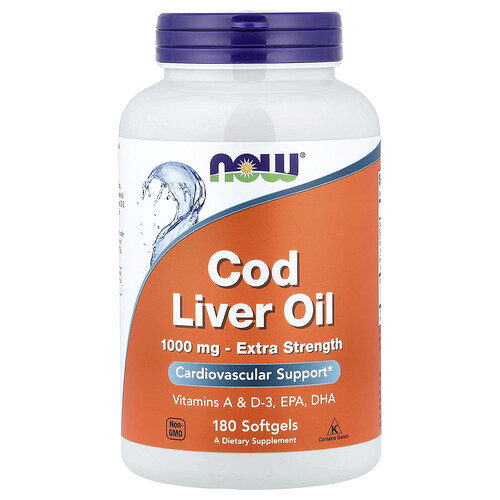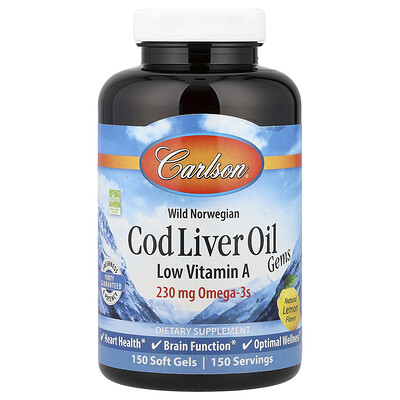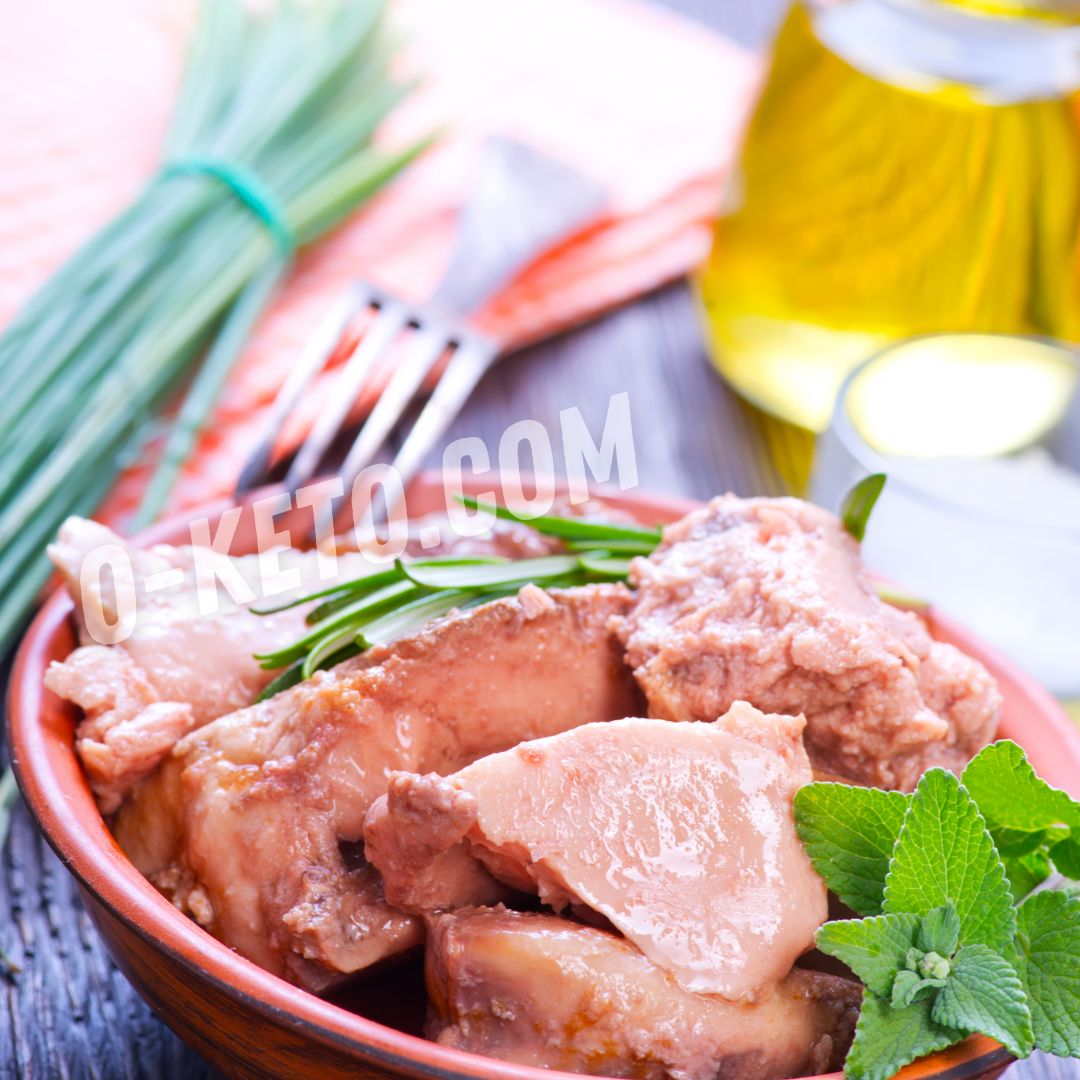

Cod liver is a rich marine product with a soft, almost pate-like texture and a pronounced fish-oil flavor. It is most often bought canned: pieces of liver are packed in their own fat or oil, so the product is not like ordinary fish fillet and is used in small portions.
In cooking, it is not the base of a large plate, but a concentrated addition. Cod liver is added to salads with egg and cucumber, served on lettuce leaves, mixed with herbs, turned into bread-free spreads, and paired with avocado, radish, celery, green onion, and unsweetened sauces. The flavor is strong, so it usually needs acidity, fresh herbs, or crunchy vegetables.
Nutrition
The main feature of cod liver is its high fat content. In 100 g of canned product there may be about 400-600 kcal, depending on how much oil is drained, the raw material, and the producer. It usually contains less protein than fish fillet and almost no carbohydrates. The glycemic index is considered zero because there is no starch or sugar.
Among the fatty acids, omega-3 fats are noticeable, especially DHA and EPA. The product also contains vitamins A and D, iodine, selenium, and small amounts of other trace elements. These facts were present in the earlier version and should be kept, but without treatment promises: cod liver remains food, not a replacement for medical advice or precisely dosed supplements.
Place in keto and LCHF
Cod liver fits keto and LCHF by macronutrients: it has a lot of fat, almost no carbohydrates, and works well with eggs, herbs, and low-carb vegetables. It can replace higher-carb fish salads with potatoes, rice, or sweet dressings if the dish is built on lettuce leaves, cucumber, celery, avocado, or boiled egg.
For strict tracking, the oil from the can matters. If all of it goes into the salad, the dish becomes much more energy-dense. If part of the oil is drained, the flavor becomes softer and the portion is easier to control. Store-bought cod liver pates should be checked separately: they may contain starch, flour, sugar, breadcrumbs, vegetable oils, and thickeners.
How to use
Cod liver is best served cold or slightly chilled. Strong heating makes the smell sharper and ruins the delicate texture. The simplest option is to mash a piece with a fork, add boiled egg, cucumber, dill, green onion, black pepper, and a little lemon juice. Often no dressing is needed because there is enough fat of its own.
Good pairings include egg, avocado, cucumber, radish, lettuce leaves, celery, parsley, dill, lemon, capers, olives, green onion, and sugar-free mayonnaise. For a milder taste, part of the liver can be mixed with cream cheese, thick sour cream, or plain Greek yogurt. For an appetizer, cucumber boats, romaine leaves, egg halves, or slices of roasted zucchini can replace bread.
How to choose
Choose cans without swelling, rust, leaks, or deep dents. The best ingredient list is simple: cod liver, salt, and its own fat; spices are sometimes acceptable. The shorter the list, the easier it is to understand what is inside. If the species, catch area, production date, and producer are clear, that is an additional quality cue.
After opening, the pieces should be light or creamy, without rancid harshness, mold, or an unpleasant sour odor. The oil may be clear or slightly cloudy, but it should not smell like old fat. A strongly bitter taste usually points to poor raw material, bad storage, or an old product.
Limits
Because cod liver contains a lot of vitamin A, it should not be eaten in large portions every day. Extra caution is needed during pregnancy and when taking retinol supplements or medicines: the total vitamin A dose is better discussed with a clinician. A normal salad or appetizer portion is a few pieces, not a whole can at once.
Like other marine products, cod liver may contain traces of contaminants, including mercury and polychlorinated biphenyls. This is not a reason to avoid it completely, but it is a reason to choose reliable brands, avoid making it a daily staple, and rotate fish and seafood sources.
Storage and substitutes
Closed cans should be stored according to the producer’s date in a cool, dry place. After opening, transfer the product from the tin into a glass or food-safe container, close it tightly, and refrigerate. Opened cod liver is best used quickly: the fat absorbs odors easily and can become rancid during storage.
There is no exact flavor substitute. If you need a fatty fish appetizer, use sardines, mackerel, herring, salmon, pollock liver, or a fish pate with a clean ingredient list. If the pate-like texture matters, mix fatty fish with egg, cream cheese, sugar-free mayonnaise, and lemon juice. But the vitamin A and D profile will no longer be the same.