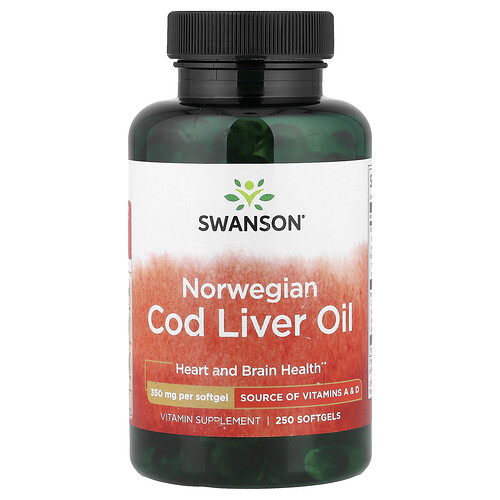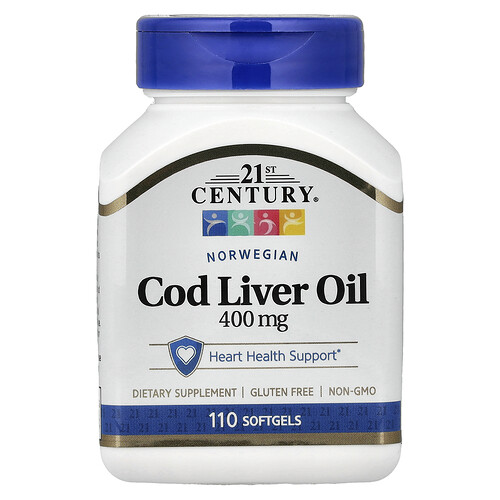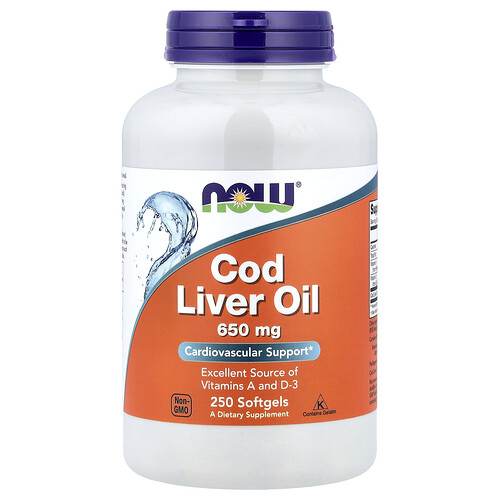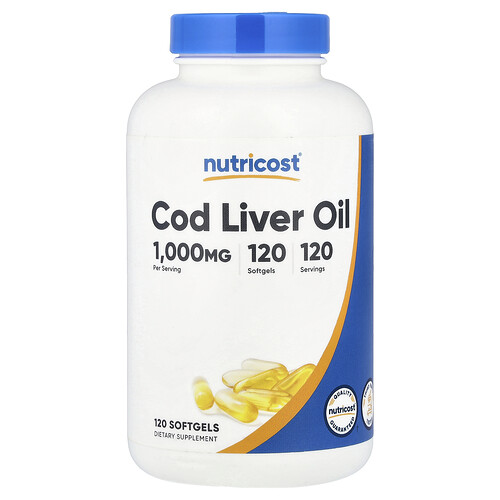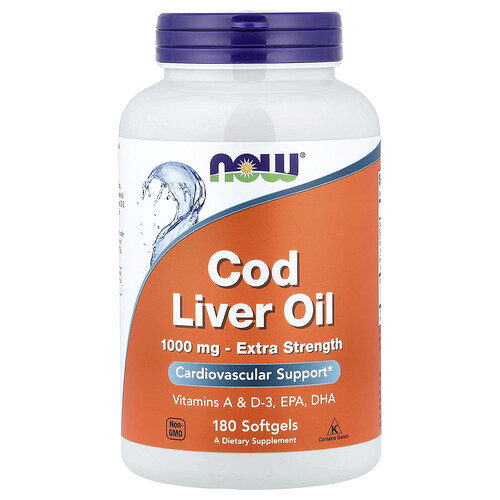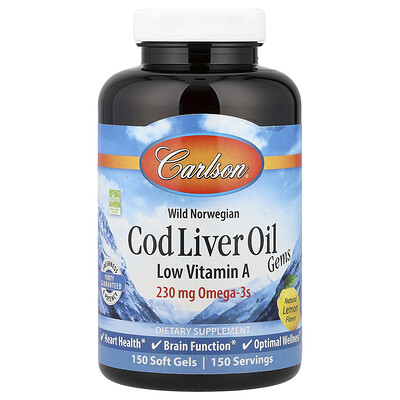

This cod-derived fatty product differs from ordinary fish oil because it usually contains notable amounts of vitamins A and D together with omega-3 fats. It is sold as liquid oil and capsules. The taste may be mild or strongly fishy, and quality depends heavily on purification, freshness of the raw material, light protection, and storage conditions.
This is not a cooking oil for frying. It is used in small portions as a fatty food product or dietary supplement, most often with a meal. For keto, it fits macros: no carbohydrates and a glycemic index of zero. But because of vitamins A and D, dosing matters more than it would with ordinary salad oil.
Nutrition profile
In 100 g of this oil there are about 900 kcal and almost 100 g fat, with usually 0 g carbohydrate. A practical serving is much smaller: a teaspoon or the dose listed by the producer. The fat may include saturated, monounsaturated, and polyunsaturated fractions, including EPA and DHA. Older reference tables often list a high omega-3 share, but exact figures should be checked on the specific label.
The key difference from most omega-3 concentrates is the presence of fat-soluble vitamins. This is part of its composition, but also the reason not to take it casually. If someone already uses vitamin A, vitamin D, or multinutrient supplements, the total amount should be considered.
Is it suitable for keto?
For keto and LCHF, this product fits by macronutrients: it contains no sugar or starch, and the serving is fat. But it is not used as the main fat source in the diet. It does not replace olive oil, butter, or fatty fish in normal meals. It is a small concentrated addition, not the base of a plate.
It is usually easier to take with a meal that already contains fat and protein. The taste is less noticeable, and tolerance is often better. Do not add it to a hot pan: heat damages the flavor. If using it with food, mix a small amount into a finished cold sauce or salad dressing, or take it separately according to instructions.
Liquid form or capsules
Liquid oil is convenient when price per serving matters and the taste is acceptable. It is easy to dose with a teaspoon, but it needs careful storage and the bottle should be closed quickly. Capsules cost more per gram of fat, but they need no spoon, smell less, and are easier outside the home. When choosing capsules, look not at capsule size, but at EPA, DHA, and vitamin amounts in the daily serving.
How to choose
Look for clear raw material origin, production date, shelf life, and the amounts of EPA/DHA and vitamins A and D per serving. A good producer lists storage recommendations and contaminant testing. Liquid oil is often cheaper than capsules per gram of fat, but capsules are easier for travel and smell less.
Poor signs include rancid odor, sharp bitterness, cloudiness, damaged cap, a clear bottle without light protection, and no serving data on the label. Lemon flavor may soften fishy aroma, but it should not hide spoiled taste.
Dose and limits
A common household serving is often 1–2 teaspoons per day, or another pattern listed on the package. There is no universal dose because vitamin and EPA/DHA concentration varies. Pregnancy, childhood, anticoagulant use, planned surgery, clotting issues, and already prescribed vitamin D or vitamin A are reasons to discuss the dose with a qualified professional.
Excess fat-soluble vitamins are undesirable because they can accumulate. Fishy burps, nausea, loose stool, or unpleasant aftertaste are also possible. If the product causes persistent discomfort, changing the form, producer, or the need for use should be discussed.
Storage
Liquid oil should be kept tightly closed in the refrigerator after opening, away from light and heat. Capsules also do not like heat or direct sun. Air, light, and high temperature quickly damage fatty products. After opening, use the package within the period stated by the producer rather than keeping it for months.
What can replace it?
If you need EPA and DHA without vitamins A and D, choose purified fish oil or algae-based omega-3. If you need food rather than a supplement, use sardines, mackerel, herring, salmon, or another fatty marine fish. If you simply need fat for a keto dish, olive oil, butter, avocado, or fatty fish are better because cod-derived oil is not meant for large culinary portions.