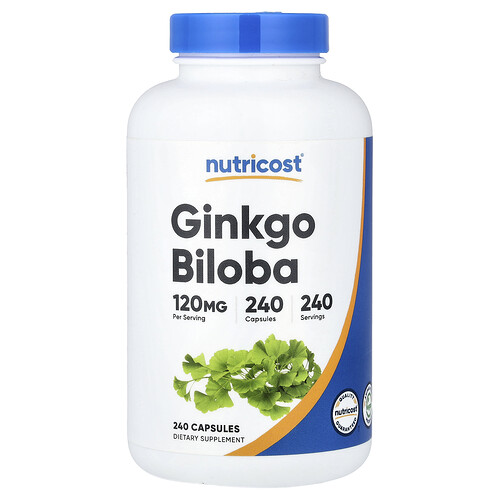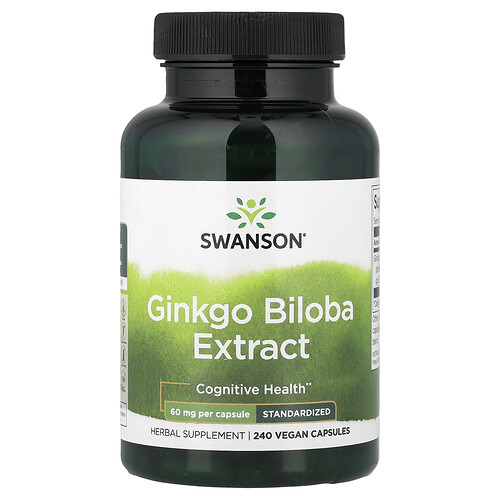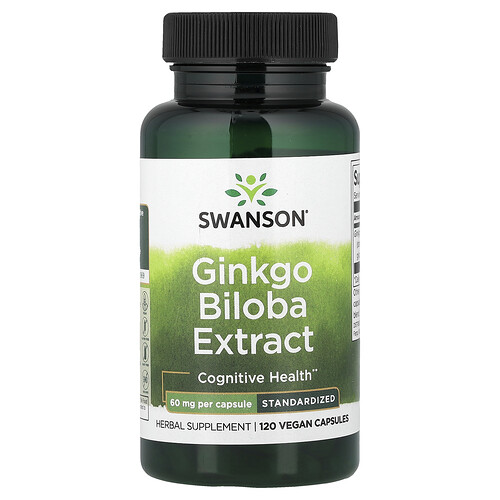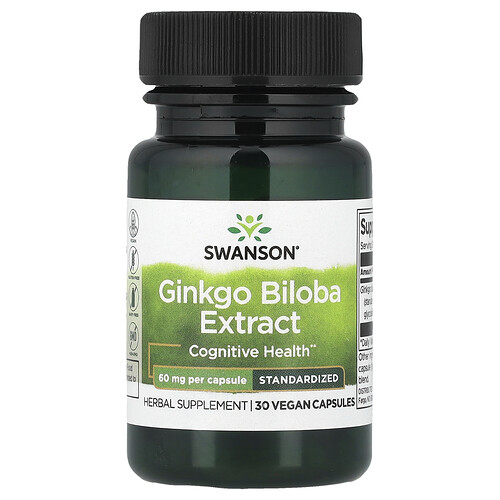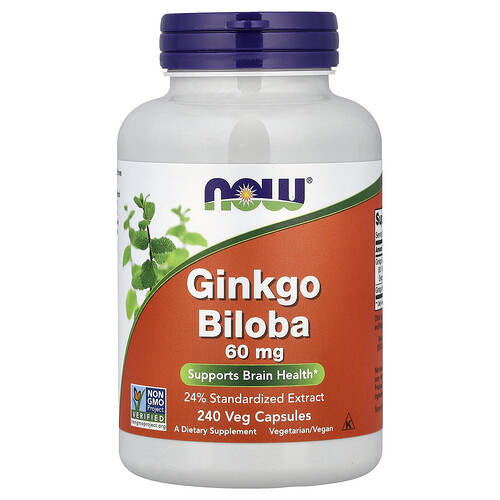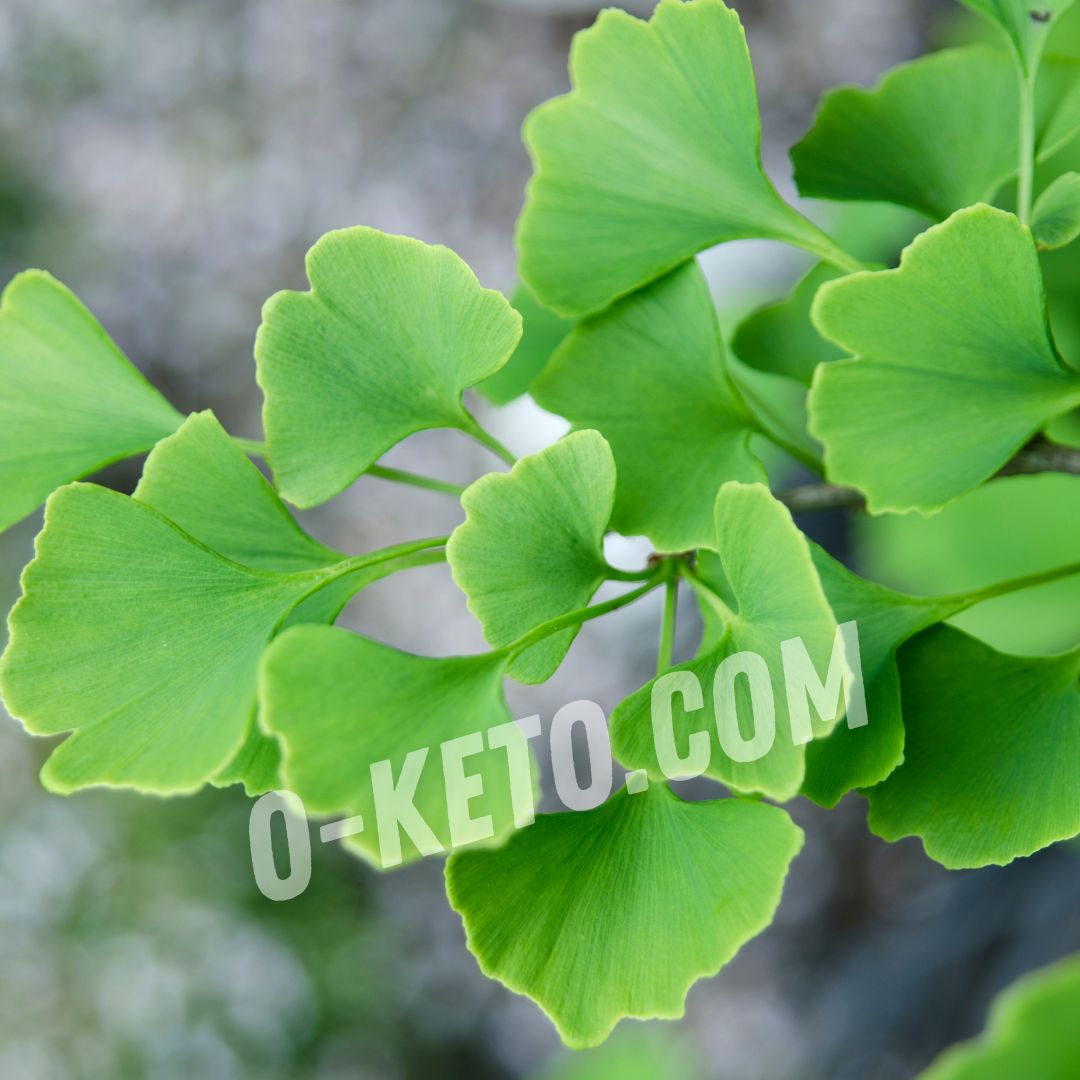

Ginkgo biloba is an ancient deciduous tree with fan-shaped leaves, often called a living relic. In cities it is planted as an ornamental tree because it tolerates dense urban conditions, polluted air, and pruning. In stores, fresh leaves are less common than standardized extracts, capsules, tablets, and tea blends.
It is important to separate the ornamental plant, the dietary supplement, and medicinal forms. Ginkgo leaves are not used like ordinary salad greens, and the seeds require separate caution and are not an everyday food. For nutrition and keto, this item belongs more to supplements than to food.
Composition and nutritional value
In a normal portion of extract, calories, protein, fat, and carbohydrates are practically irrelevant: doses are measured in milligrams. Therefore, ginkgo does not affect a keto diet as an energy source and does not replace foods with magnesium, potassium, protein, or fats.
Descriptions of ginkgo usually mention flavone glycosides and terpene lactones. Standardized extracts may show the percentage of these groups on the label. But an impressive formula is not more important than raw material quality, dosage, impurity control, and clear instructions.
Ordinary dried leaves and a standardized extract are not the same thing. In leaves, the amount of key substance groups can vary noticeably between batches, while an extract is made to be more predictable. Comparing products only by capsule weight is therefore misleading: concentration matters.
Is it suitable for keto?
Ginkgo capsules or tablets without sugar are usually compatible with keto by carbohydrates. But liquid forms, lozenges, sweet syrups, and tea blends with fruit may contain sugar or other additions. They need to be checked by composition and counted as part of daily carbohydrates.
Ginkgo does not make a diet more low-carb and does not raise menu fat content. If the goal is to build proper keto eating, the foundation remains meat, fish, eggs, unsweetened dairy, low-starch vegetables, and suitable fats. A supplement will not fix a diet lacking food or electrolytes.
How it is used
Ready supplements are used according to the producer’s instructions. Increasing the dose independently is not a good idea: extracts differ in concentration, and individual limitations may exist. Leaf tea is usually less standardized than an extract and is not equal to it in composition.
If the supplement is used regularly, it is better not to change brand and form without a reason: capsules, tablets, and liquid extracts may differ in dose. The total use of other supplements and prescribed preparations also matters, especially if they affect blood clotting or blood pressure.
Ginkgo is not added to dishes for flavor: the leaves are herbaceous and bitter, while supplement doses are too small for a culinary role. If the product is chosen, it is used separately and not mixed with many other plant complexes without understanding the composition.
How to choose
Choose a product with clear dosage, plant part, extract form, and expiration date. It is useful when the producer indicates standardization, heavy metal control, and impurity testing. Packaging should protect from light and moisture.
Poor signs are promises of fast results, a very long list of miracle effects, absent dosage, and unclear composition. For tea blends, all herbs and flavorings should be checked: sometimes a mix sold under the ginkgo name contains very little ginkgo.
Limitations
Ginkgo requires caution when anticoagulants, antiplatelet agents, some anticonvulsants are used, before surgery, and with a tendency to bleeding. Pregnant and breastfeeding people, children, and people with serious chronic conditions are better avoiding it unless discussed with a specialist.
Individual reactions are possible: abdominal discomfort, headache, allergy, or changes in well-being. If unusual symptoms appear, use is stopped. Ginkgo seeds should not be eaten without specific knowledge: if prepared incorrectly, they may be unsafe.
How to store it
Capsules, tablets, and dried leaves are kept in a dry cool place, away from sunlight and moisture. The jar is closed immediately after use. Liquid forms are stored according to package instructions; sometimes refrigeration is needed after opening. A product with changed smell, mold, or damaged packaging is not used.
What can replace it?
Ginkgo has no culinary replacement: it is not a spice and not a food for a dish. If the task is to support ordinary eating, it is better to first organize sleep, protein, water, salt, magnesium when needed, and regular meals. If ginkgo extract itself is needed, only another tested product of the same category can replace it after checking composition and limitations.