


Alzheimer’s disease
A progressive neurodegenerative illness affecting memory, reasoning and daily independence that requires early review of sleep, vascular risk, deficiencies, medications and caregiving conditions rather than a simple dementia label.






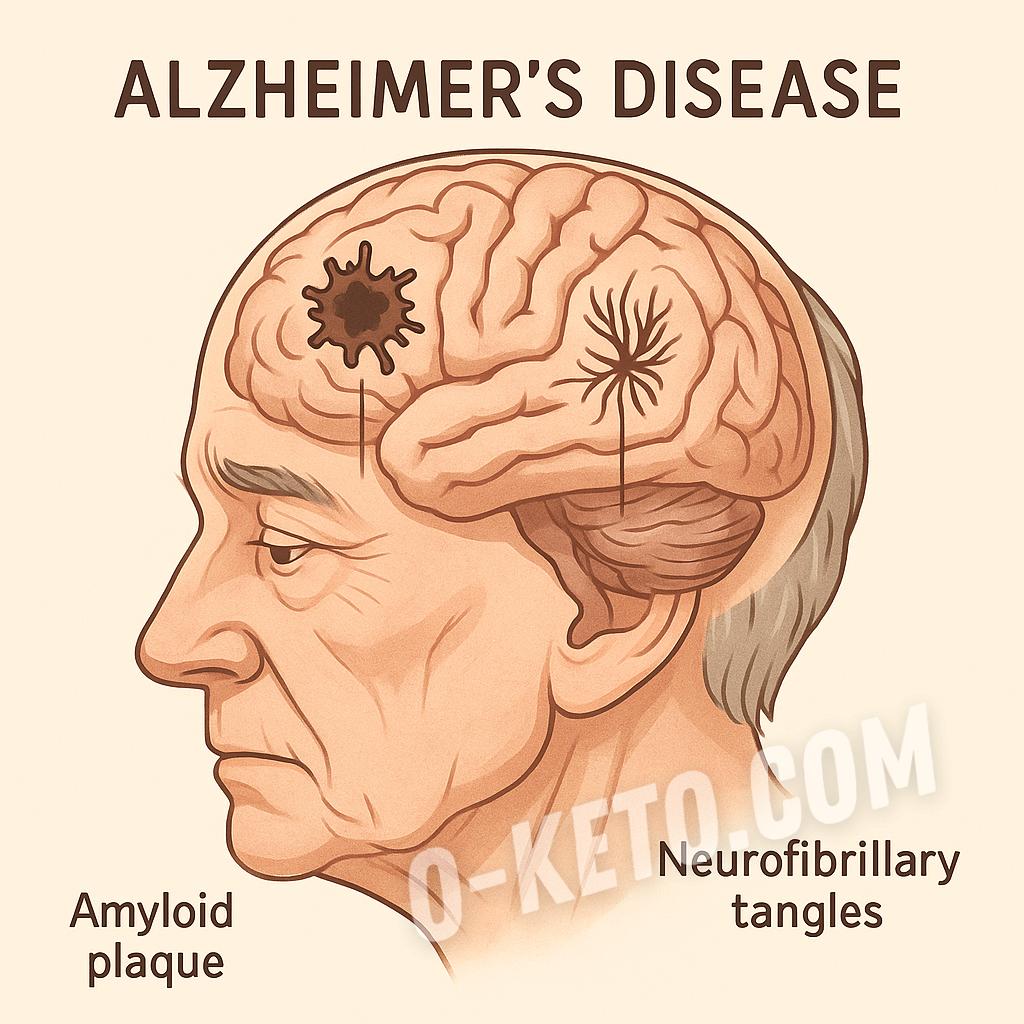
Alzheimer’s disease is a progressive neurodegenerative illness that gradually affects memory, orientation, planning, language and everyday independence. It is not the same as ordinary aging and not every episode of forgetfulness in an older adult means Alzheimer’s disease. The practical challenge is to distinguish it as early as possible from depression, vitamin B12 deficiency, sleep disruption, medication effects, vascular disease, hypothyroidism and other causes of cognitive decline that may mimic or worsen the picture.
How the disease usually presents
Early on, short-term memory is often most affected. The person may struggle to retain new information, repeat the same questions, lose track of routines, forget appointments, misplace objects and have trouble sequencing familiar tasks. Later, problems with language, spatial orientation, finances, household independence, behavior and sleep may become more obvious.
It is important to remember that onset is not identical in everyone. Families may interpret early change as personality, fatigue, depression or normal aging, which delays recognition.
What should be evaluated beyond memory
When cognition declines, it is important to look not only at forgetfulness but also at sleep, depression, hearing, vision, medications, diet, B12, folate, TSH, inflammation, glucose, blood pressure and vascular risk. Some of these factors do not directly cause Alzheimer’s disease, but they may intensify symptoms and worsen day-to-day functioning.
That is why a full cognitive workup is more useful than quickly applying the label of dementia without checking reversible or aggravating contributors.
Why early diagnosis matters
The earlier the illness is recognized, the more time there is to adapt home routines, safety measures, legal planning, family decisions and supportive care. Even if the neurodegenerative process itself is not fully stopped, early strategy around sleep, nutrition, activity and vascular-risk management can influence quality of life in a meaningful way.
Early understanding also matters for relatives. It helps them stop seeing the changes as stubbornness or laziness and start responding with more realistic support.
The role of nutrition and metabolic background
Nutrition is not a stand-alone treatment for Alzheimer’s disease, but metabolic background still matters. Insulin resistance, diabetes, obesity, B12 or folate deficiency, poor sleep and chronic inflammation can all worsen cognitive resilience. In that sense, adequate protein, glucose control and vascular-risk reduction are supportive rather than magical interventions.
Any discussion of low-carbohydrate or ketogenic strategies in this setting should be individualized and cautious, especially in older adults with frailty, weight loss, poor appetite or multiple medications. Safety and functional tolerance matter more than dietary ideology.
When urgent in-person care is needed
Urgent evaluation is needed when confusion suddenly worsens, orientation is lost rapidly, aggression appears, eating stops, falls occur, hallucinations begin or delirium is suspected. Such changes are not always just “progression of dementia”; infection, dehydration, medication effects or metabolic disturbance may be playing a major role.
The most useful view is to treat Alzheimer’s disease as a neurodegenerative process requiring both accurate diagnosis and structured support for everyday life. That combination makes care more humane and more practical.
What matters for families and daily care
Alzheimer’s disease places a major burden not only on the affected person but also on relatives. Families benefit from early conversations about home safety, medication organization, sleep routine, wandering risk, nutrition, hydration, finances and the level of help needed in daily life. Support works better when relatives understand that lost skills reflect disease-related decline rather than laziness or stubbornness. That understanding reduces conflict and makes care more humane.
It is also useful to review medications, hearing, vision, hydration and other aggravating factors regularly. Even when Alzheimer’s disease is already diagnosed, episodes of sudden worsening often reflect infection, insomnia, dehydration, pain or medication side effects in addition to neurodegeneration itself.
If you have any questions about the term "Alzheimer’s disease", you can ask them to AI. Please note, a low-cost OpenAI model is used. It may answer questions about disease treatment with errors!


 1 / 4
1 / 4

 1 / 4
1 / 4 1 / 4
1 / 4