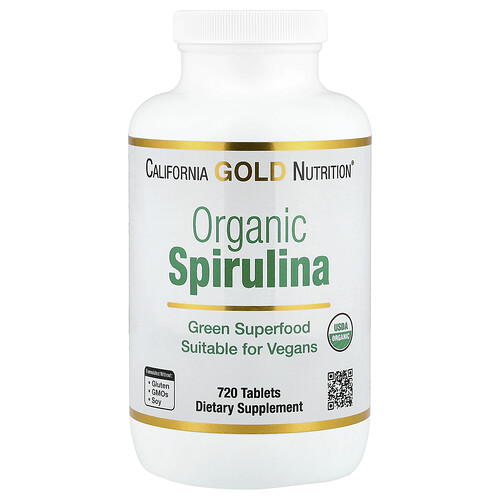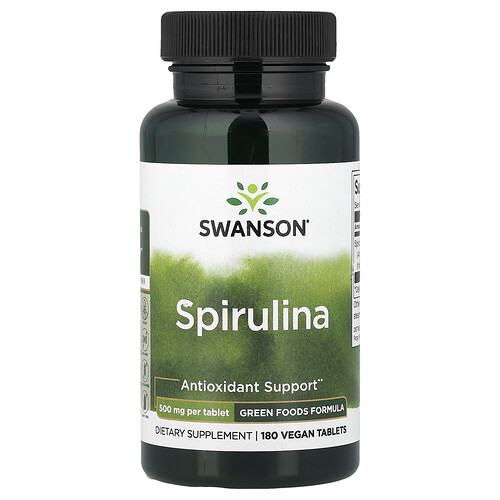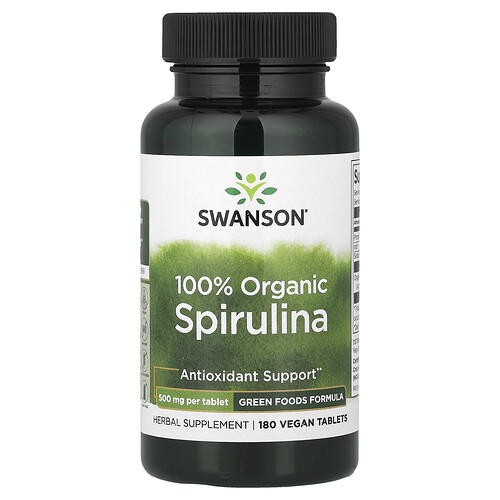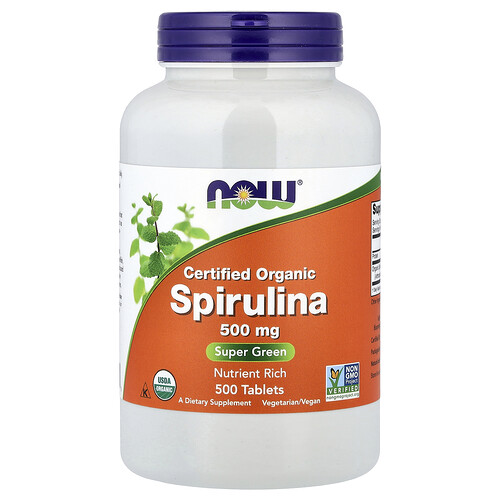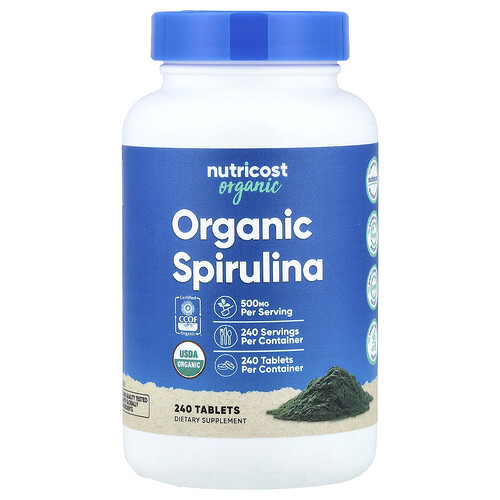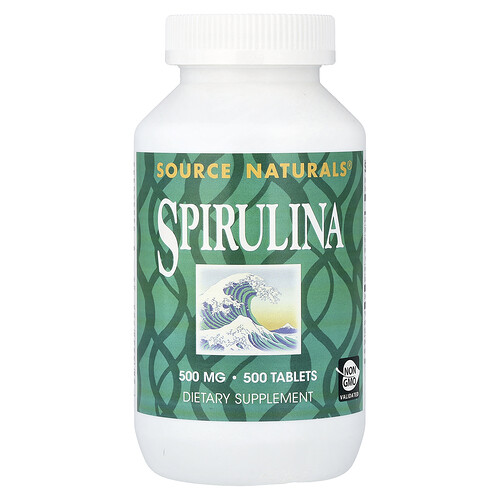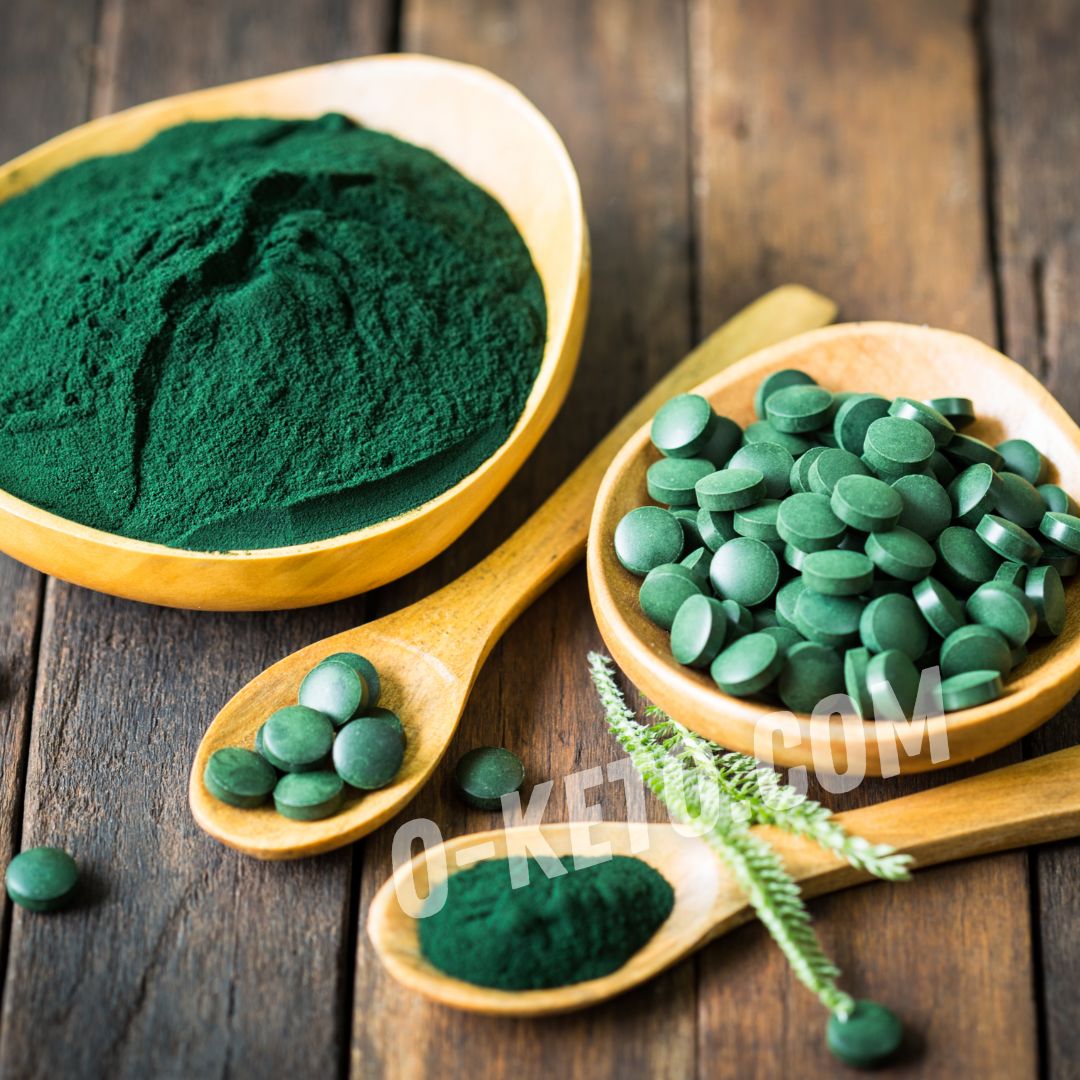

Spirulina is a blue-green microalga sold as powder, tablets or capsules. It is often promoted as a concentrated supplement, but that word should be treated carefully: spirulina is concentrated in nutrients, yet it is usually taken in small doses rather than eaten as a full food.
Its taste is distinctly algae-like, grassy and marine. It can be added to unsweetened drinks, sugar-free smoothies, sauces, green dressings or taken as a supplement. For keto it can be compatible, but dose, quality and individual tolerance matter.
Nutrition
Dried spirulina is rich in protein and contains vitamins B1, B2, B3, iron, magnesium, manganese and pigments such as phycocyanin. It contains all essential amino acids, but a typical 2-5 g serving does not replace meat, fish, eggs or cottage cheese as a protein source.
Spirulina does contain carbohydrates: dried product may contain around 15-25%, depending on analysis. Because the dose is small, the actual carbohydrate load is usually low. The glycemic index of such a portion has little practical meaning.
Is Spirulina Keto-Friendly?
Spirulina can fit keto when used in small amounts and without sweet additives. “Green drink” powders sometimes contain fruit powders, sweeteners, maltodextrin or other fillers, so the ingredient list matters.
For strict carbohydrate control, count the real dose rather than percentages per 100 g. For example, 3 g of powder adds far fewer carbohydrates than a serving of berries or a dairy drink.
How to Use It
Spirulina has a strong flavor, so large amounts are rarely pleasant. Start small and combine it with ingredients that soften the marine note.
Sugar-free options include:
- water, lemon juice and a little salt as an unsweetened drink;
- a sauce with avocado, herbs, garlic and olive oil;
- a small portion of plain yogurt or kefir if dairy is tolerated;
- capsules or tablets if the powder taste is unpleasant.
How to Choose
Quality is crucial for microalgae. Choose a product from a clear producer, preferably with testing for heavy metals, microbiological purity and contaminants. Very cheap powder with unclear origin is a poor choice.
Portion and Expectations
Spirulina does not behave like ordinary salad greens: its flavor is strong and the serving is small. Too much powder can make a drink sharply algae-like and unpleasant, and a very large amount is not automatically more useful. A stable small dose and attention to tolerance are more practical.
In a keto diet, spirulina may add micronutrients and a green flavor note, but it does not solve protein intake, electrolytes or deficiencies by itself. The base of the diet still needs real foods: meat, fish, eggs, seafood, herbs, low-carb vegetables and enough salt when needed.
Common Mistakes
The first mistake is buying a multi-ingredient “green complex” instead of plain spirulina without checking carbohydrates. The second is expecting a clear special effect. The third is ignoring raw material quality: with algae, origin and laboratory control matter more than attractive claims on the package.
When Not to Overcomplicate
If the diet already includes fish, eggs, meat, herbs and vegetables, spirulina is not mandatory. It makes sense as an optional product when you like the taste, find the powder convenient or specifically want microalgae in the diet. If the taste must be hidden with sweeteners, fruit or dairy drinks, the keto value of that routine often disappears.
With spirulina, the batch-control process matters as much as the protein percentage. Blue-green algae products can be contaminated with microcystins, so choose a manufacturer that tests the raw material and do not use the supplement as a reliable replacement for vitamin B12 or medical treatment. During pregnancy, breastfeeding, chronic disease, or medication use, discuss it with a clinician.
Limitations and Substitutes
Spirulina is not suitable for everyone. Caution is needed with complex immunological conditions, pregnancy, medication use, bile-related or kidney conditions, and algae allergy. With chronic conditions, discuss it with a clinician. It should not be promoted as a weight-loss, cleansing or treatment product.
For a green supplement, alternatives include chlorella, greens powder, parsley, spinach or ordinary low-carb vegetables. For protein, choose eggs, fish, meat, cottage cheese or unsweetened protein powder.
Taste, Storage and Product Form
Spirulina powder gives flavor quickly and mixes more easily into sauce, but it is harder to drink for people who dislike the algae smell. Tablets and capsules are easier to dose, but they do not have a culinary role in a dish. For cooking, it is better to start with powder on the tip of a teaspoon rather than a full serving.
Store spirulina tightly closed in a dry cool place, away from light and steam. Clumps, musty smell, moisture or a sharp color change are reasons not to use it. In drinks, first mix the powder with a small amount of liquid, then add the rest; this reduces lumps and makes the flavor easier to judge.