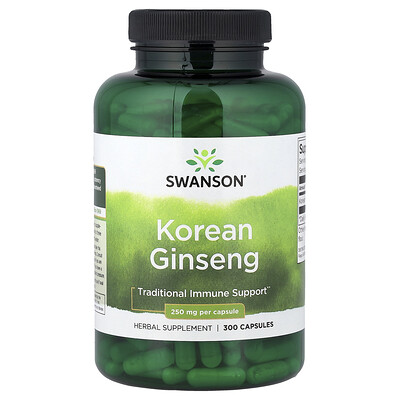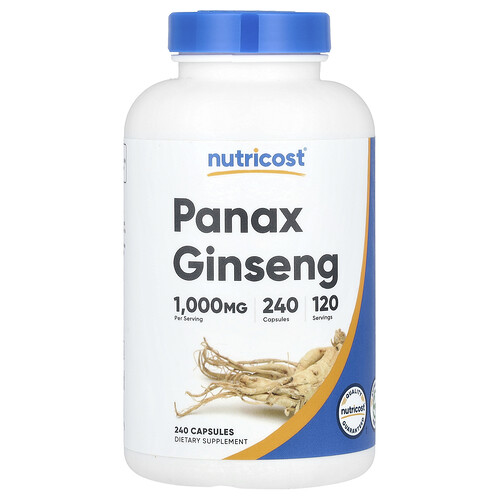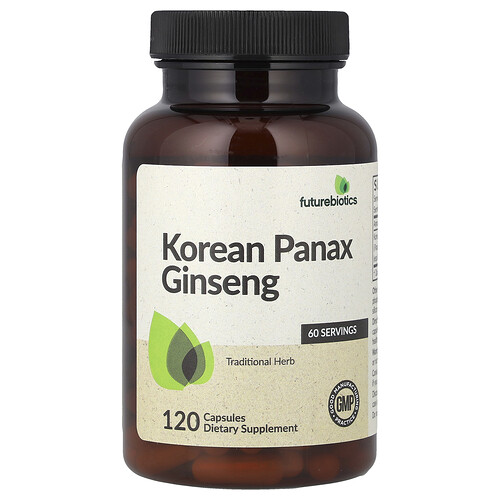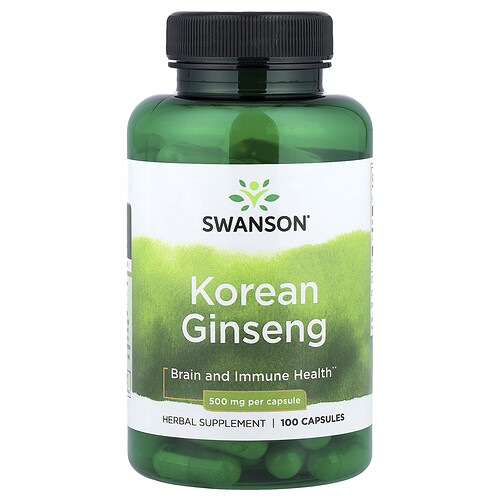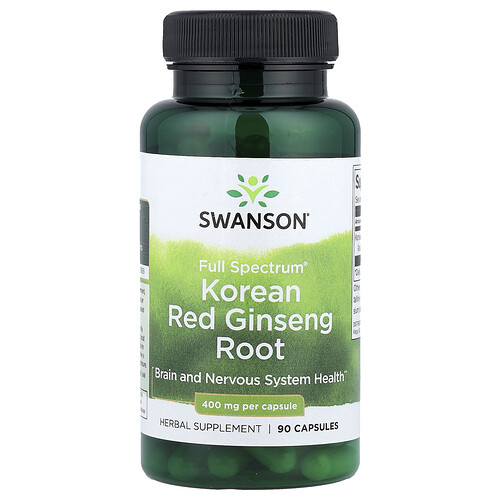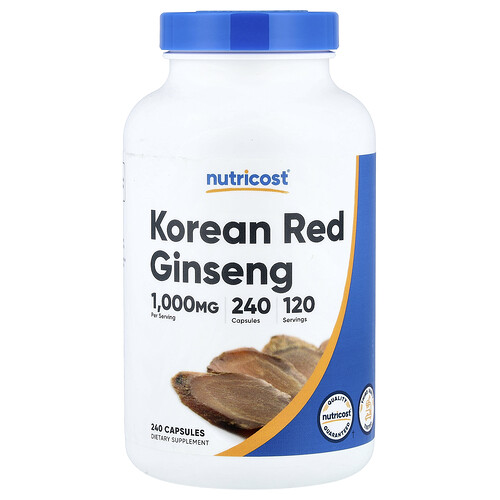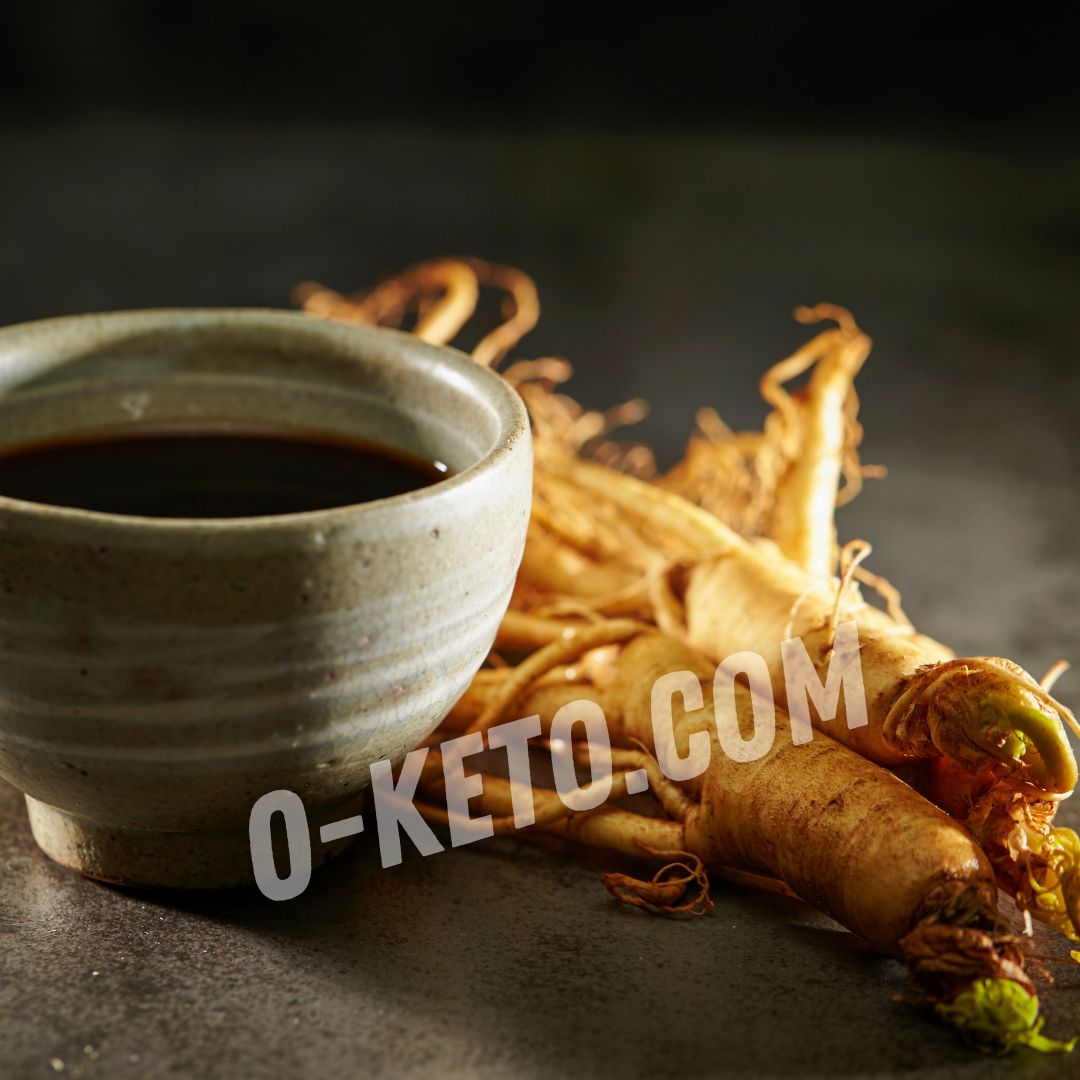

Ginseng is the root of a Panax plant, used as dried slices, powder, extract, tincture, capsules, and drinks. It has an earthy, bittersweet taste, a noticeable herbal aroma, and a reputation as a toning product. In food use, ginseng is usually not eaten like a regular food; it is added to tea, decoction, broth, or taken as a prepared product with a serving size on the label.
There are several types and market forms: Asian, American, red, white, whole root, sliced root, powder, and standardized extracts. They differ in processing, flavor, and concentration of characteristic compounds. Two jars named “ginseng” can therefore be very different in strength, price, and method of use.
Composition and food role
The main characteristic compounds in ginseng are ginsenosides. The root also contains polysaccharides, small amounts of minerals, and other plant components. A normal serving of dried root or extract brings few calories and carbohydrates, but exact values depend on the product form. Syrups, sweet drinks, and chewable products with ginseng may contain sugar.
Ginseng is not a regular source of protein, fat, or fiber. It is used for flavor, bitterness, and a mild toning profile. In culinary terms, it is closer to a strong herbal ingredient: a small amount can noticeably change a drink or broth, while too much gives persistent bitterness.
Fits keto and LCHF
Dried root, unsweetened infusion, and capsules without sugary fillers are usually compatible with keto and LCHF because they are used in small amounts. Ready-made products should still be checked by ingredient list. In energy drinks, sweet elixirs, syrups, and instant mixes, carbohydrates often come not from ginseng itself, but from sugar, honey, fruit concentrates, or maltodextrin.
For a low-carb version, choose whole dried root, powder without additions, unsweetened extract, or capsules with a clear ingredient list. If ginseng is added to tea or coffee, sweetener and the milk base should be counted separately.
How to use
Dried slices can be steeped in hot water, kept in a thermos, or added to broth. The flavor develops gradually: short steeping gives a softer drink, while longer steeping makes it denser, more bitter, and more woody. Powder is easier to mix, but it can leave sediment and intensify bitterness more quickly.
Extracts and capsules should be used according to the producer’s instructions. Increasing the serving size on your own is not a good idea: a plant origin does not make the product automatically gentle for everyone. If ginseng feels stimulating, it is better used earlier in the day rather than in the evening.
Flavor and pairings
Ginseng pairs with green and black tea, ginger, lemon zest, cinnamon, cardamom, mint, mushroom broth, and chicken broth. In Asian soups it may be used with chicken, garlic, green onion, and mushrooms. In sugar-free sweet-style drinks, it works better with vanilla, cream, or coconut milk, but the amount should remain very moderate.
If the taste feels too strong, do not try to hide it with a large amount of sweetener. It is better to reduce the portion of root, shorten steeping time, or mix the drink with a milder base. Ginseng should be a background accent, not the whole taste of the cup.
How to choose
Whole root should have a dry, clean aroma without mold or mustiness. Slices should not be sticky or damp. For powder, airtight packaging, production date, and absence of sugar matter. For extracts, check concentration, solvent, suggested serving, and whether other stimulants are included.
Red ginseng is steamed and dried, so its flavor is usually deeper and darker. White ginseng is dried without that processing and may taste milder. This does not make one version universally better than the other; the choice depends on purpose, taste, and tolerance.
Limitations
Ginseng may be unsuitable during pregnancy or breastfeeding, with strong sensitivity to stimulating products, sleep problems, bleeding tendency, use of anticoagulants, some glucose-control medicines, stimulants, and certain antidepressants. With chronic conditions and regular medication, frequent use should be discussed with a professional.
Unwanted reactions are more likely with a high dose or combination with caffeine: nervousness, fast heartbeat, insomnia, headache, or stomach discomfort may occur. It is more reasonable to start with the smallest serving and not combine several toning products at once.
How to store
Keep dried root and powder in tightly closed packaging, in a dry dark place, away from coffee, spices, and moisture. Extracts should be stored according to the label. If the product changes smell, develops mold, stickiness, or an unusual sediment, it is better not to use it.