


Smoking
Nicotine addiction affects not only the lungs but also the blood vessels, inflammatory background, metabolism, and stress tolerance; quitting smoking requires not shame, but a clear plan and support.




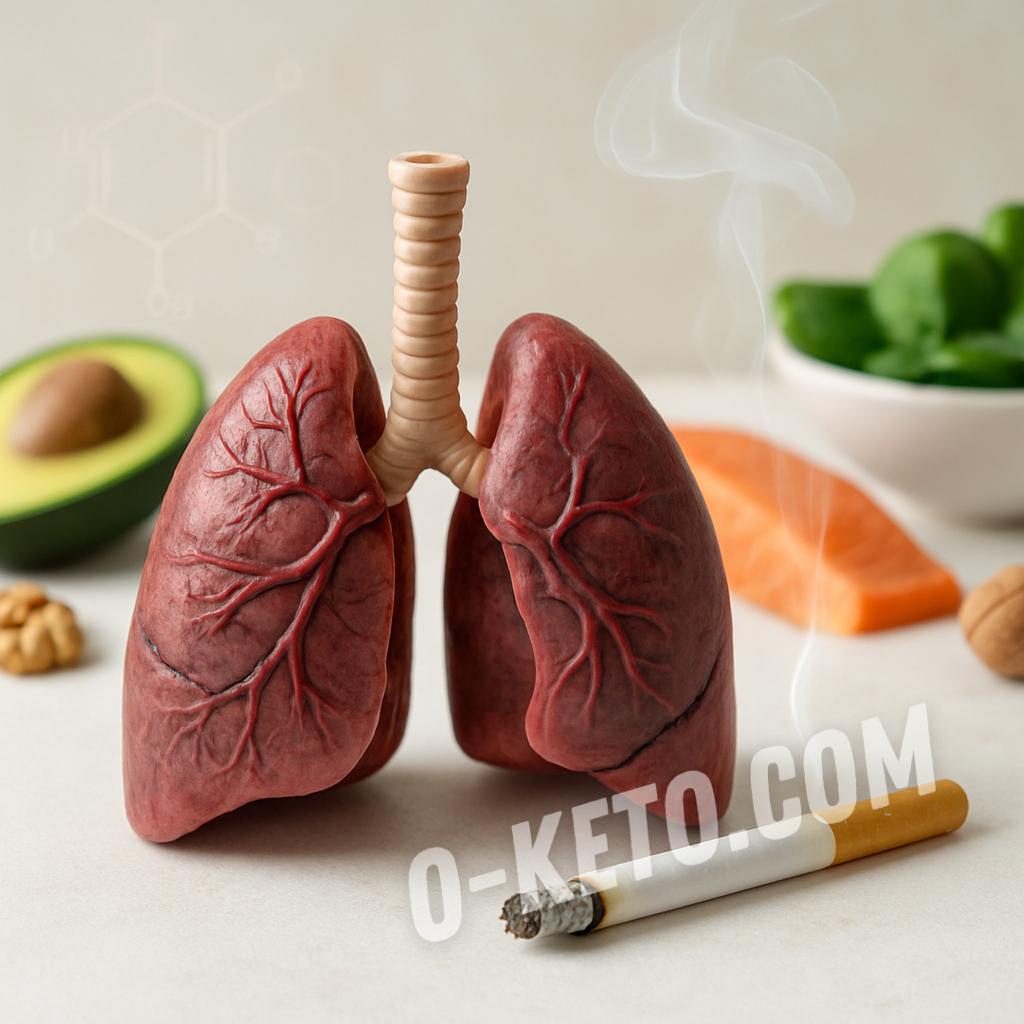
Smoking is not just a household habit, but a form of nicotine dependence, where the brain becomes accustomed to regular stimulation by nicotine, and withdrawal begins to be accompanied by unpleasant physical and psychological symptoms. For some people, smoking appears to be a way to quickly relieve tension, improve concentration, or cope with a stressful moment, but this effect is short-lived and largely related to temporary relief of withdrawal symptoms between cigarettes. Over the longer term, smoking maintains inflammation, oxidative stress, vascular damage, and high cardiovascular strain.
From a metabolic perspective, smoking affects much more than just the lungs. It is associated with damage to the vascular wall, impaired endothelial function, increased oxidative stress, changes in appetite, disruption of tissue sensitivity to insulin in some individuals, and an increased risk of cardiovascular events. Therefore, for a person working on metabolic health, reducing inflammatory load, or recovering from illness, quitting smoking usually provides a more significant contribution than trying to compensate for harm with a supplement.
How Nicotine Addiction Manifests
The signs of addiction are not limited to the number of cigarettes smoked per day. It is characterized by a strong craving to smoke, irritability during forced breaks, an automatic desire to light up after meals, coffee, stress, or phone calls, as well as a feeling that it is difficult to focus or calm down without a cigarette. For some people, the addiction is supported not only by nicotine but also by behavioral rituals: pauses, hand movements, the smell of smoke, and familiar social situations.
When a person tries to quit smoking, they often experience anxiety, decreased concentration, irritability, mood swings, a sense of internal tension, sleep disturbances, and increased appetite. These symptoms do not mean that quitting is “not suitable.” More often, they indicate that the nervous system is adapting to life without constant nicotine stimulation, and during this period, sleep, nutrition, support, and a realistic plan are especially important.
Why Smoking is Important for Blood Vessels and Metabolism
Smoking damages the vascular wall and increases the inflammatory background, which is associated with a higher risk of atherosclerosis, heart attack, stroke, and peripheral circulation disorders. Additionally, tobacco smoke increases oxidative stress and impairs the function of antioxidant systems. In practice, this means that a smoking person finds it more difficult for their body to maintain normal tissue regeneration, resistance to stress, and normal endothelial function.
For people with insulin resistance, diabetes, hypertension, or metabolic syndrome, smoking is particularly adverse because it exacerbates the already existing vascular and inflammatory burden. Even if body weight remains normal, the combination of smoking with poor sleep, stress, hyperglycemia, and low physical activity significantly increases overall risk. Therefore, assessing the harm of smoking solely based on well-being or the absence of cough is overly naive.
Nutrition, Keto, and Quitting Smoking
The diet itself does not eliminate nicotine dependence, but it can ease the withdrawal period. Adequate protein intake, regular meals without long energy dips, correcting deficiencies, and normal sleep reduce the likelihood that cravings for cigarettes will intensify due to hunger, fatigue, and irritability. On a low-carb or keto approach, it is especially important not to go into too strict a calorie restriction during the withdrawal period, as the combination of energy deficit and nicotine withdrawal is significantly harder to bear.
Some people tend to reach for sweets or snacks more frequently after quitting. This is not a reason to return to cigarettes, but a good signal to prepare a convenient eating structure, sugar-free drinks, physical activity, and simple substitutes for rituals in advance. Keto or LCHF can be beneficial in reducing sharp appetite fluctuations for some people, but they do not replace behavioral work, support, and, if necessary, medication assistance.
What Helps to Quit Smoking
A working strategy usually includes several levels: a specific quit date or a clear reduction plan, support from the environment, understanding triggers, replacing rituals, and if necessary, medication or nicotine replacement therapy as recommended by a doctor. For some, chewing gum, walking, taking a breathing pause, short strength exercises, drinking water, or changing routes during the times when the hand usually reaches for a cigarette automatically can be helpful.
If a person has tried to quit many times and quickly returned to smoking, it does not indicate a weakness of character. Nicotine addiction can indeed be persistent, and sometimes achieving results requires not heroism, but a better-tailored plan that takes into account anxiety, sleep, depressive symptoms, habitual social situations, and comorbidities. Additional nutrients can only be considered as secondary support, not as the foundation of treatment.
When Medical Evaluation is Needed
It is especially important to seek medical help if chest pain, pronounced shortness of breath, blood in sputum, a sharp decrease in exercise tolerance, severe anxiety, panic episodes, insomnia with rapid deterioration of condition, or pronounced depressive symptoms occur during smoking or during cessation. For individuals with cardiovascular diseases, diabetes, pregnancy, psychiatric disorders, and severe COPD, the strategy for quitting smoking should be particularly careful.
The main practical thought is simple: quitting smoking remains one of the strongest steps towards real risk reduction. Supplements, antioxidants, diets, and “detoxes” do not counteract the constant damaging effects of tobacco smoke. The sooner a person exits the nicotine cycle, the greater the chances of restoring vascular resilience, respiratory function, and overall metabolic health.


If you have any questions about the term "Smoking", you can ask them to AI. Please note, a low-cost OpenAI model is used. It may answer questions about disease treatment with errors!


 1 / 4
1 / 4


 1 / 4
1 / 4