


Erectile dysfunction
Recurring erectile issues often reflect not only a local sexual difficulty but also the condition of the blood vessels, glycemia, sleep, hormonal balance, and psycho-emotional health.
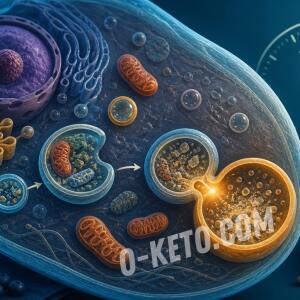


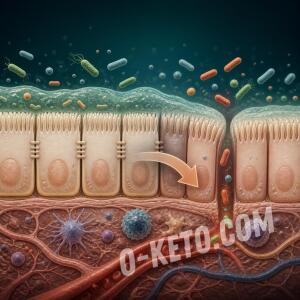
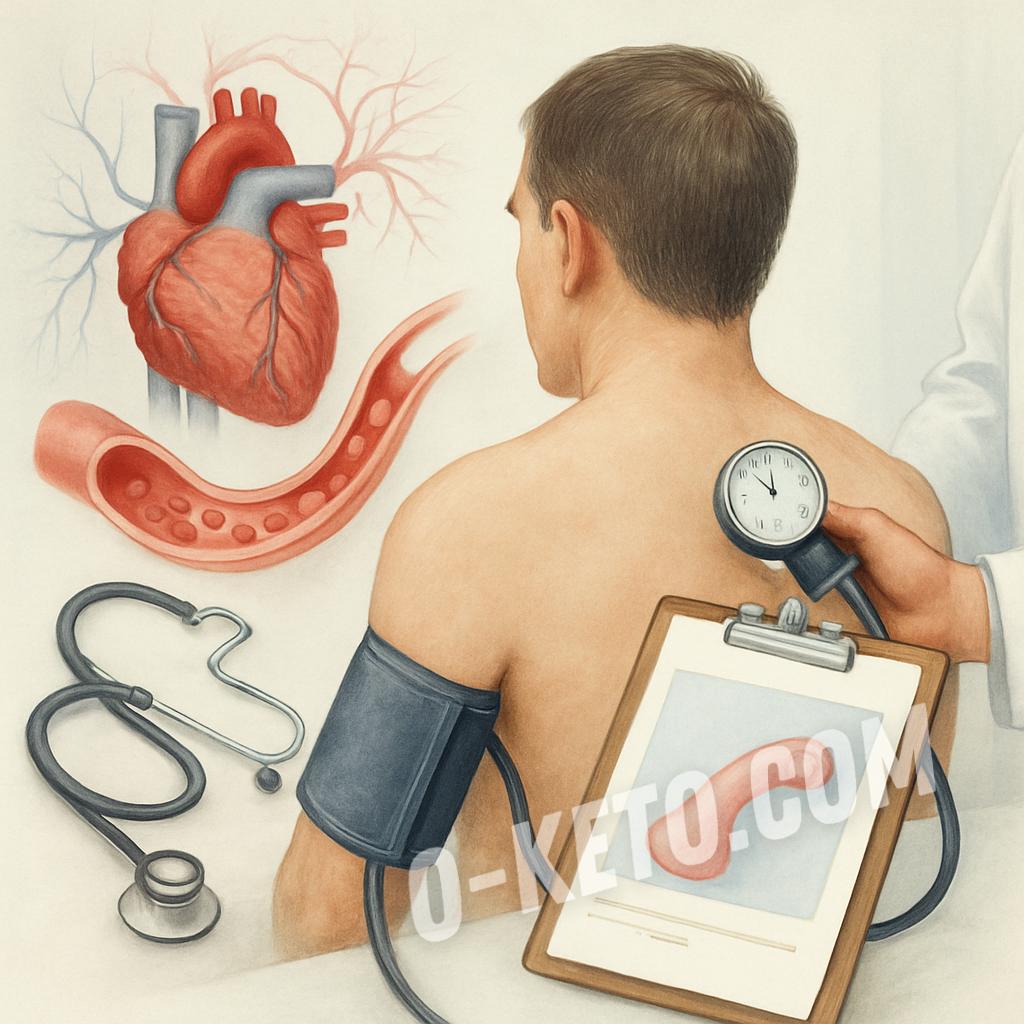
Erectile dysfunction is a condition in which a man has difficulty achieving or maintaining an erection sufficient for sexual intercourse. A one-time episode due to fatigue, stress, alcohol, or conflict does not yet indicate a diagnosis, but recurring problems require a calm and mature assessment of the causes. An erection depends not only on libido or “the strength of desire,” but also on the normal functioning of blood vessels, the nervous system, hormonal background, psycho-emotional state, and sleep quality. Therefore, erectile dysfunction often turns out to be an early marker of more general vascular or metabolic issues.
For some men, this topic becomes a source of shame and avoidance, causing them to delay seeking examination and to look for random “male” supplements instead of proper diagnosis. However, in practice, it is important not to mask the problem but to understand where it originated. The causes can be vascular, neurological, endocrine, medication-related, psychogenic, or mixed. The sooner the underlying issue is identified, the greater the chances not only to improve sexual function but also to avoid missing hypertension, diabetes, sleep deficiency, depression, or cardiovascular risk.
What are the most common causes
Common causes include atherosclerosis and endothelial dysfunction, hypertension, diabetes and insulin resistance, obesity, chronic sleep deprivation, low physical activity, smoking, excessive alcohol consumption, anxiety, and depressive disorders. Sometimes, factors such as testosterone deficiency, thyroid diseases, neuropathy, the aftermath of surgeries, or certain medications, such as specific antidepressants and blood pressure drugs, also contribute. Many men experience not just one factor, but a combination of them.
Age itself also plays a role, but it is not the sole explanation. If a man gradually experiences a decline in exercise tolerance, an increase in waist size, fluctuating blood pressure, rising blood sugar levels, worsening snoring, and daytime sleepiness, erectile function may deteriorate as part of an overall metabolic and vascular picture. In such cases, seeking only a “quick fix” without addressing the underlying cause often yields temporary and incomplete results.
What to Evaluate in the First Stage
The doctor usually clarifies when the problems arose, whether nighttime or morning erections are maintained, and if there is a connection with stress, a new partner, fatigue, alcohol, or medications. Blood pressure, glucose, lipids, body mass, waist circumference, symptoms of sleep apnea, level of physical activity, mood, and quality of relationships are also important. Such an evaluation helps to understand whether the predominant component is vascular, psychogenic, hormonal, or mixed.
If erectile dysfunction appeared suddenly and only in specific situations, the psycho-emotional factor may be particularly important. If the problem has gradually worsened and is associated with diabetes, hypertension, obesity, smoking, or decreased exercise tolerance, there is a higher likelihood of vascular and metabolic contributions. Normal diagnostics are useful not for a “label,” but for choosing the right strategy and assessing overall risk.
Nutrition, Body Mass, and the Keto Approach
Sexual function is closely linked to vascular health and metabolism, so nutrition matters primarily through weight, glycemia, inflammatory background, sleep quality, and endothelial condition. If a man has abdominal obesity, insulin resistance, or type 2 diabetes, gradual weight loss and improvement in metabolic indicators can positively affect erection. For some individuals, a low-carbohydrate or keto approach can be beneficial precisely through the reduction of hyperglycemia, weight loss, and improved appetite control.
However, keto is not an automatic treatment for erectile dysfunction. With too strict a calorie deficit, overtraining, chronic sleep deprivation, and high stress levels, sexual function can, on the contrary, deteriorate. Adequate protein, normal energy availability, sleep, and recovery are important. If a person is losing weight rapidly, sleeping poorly, and relying on stimulants, it is unrealistic to expect sustainable improvement in intimate function solely from changing carbohydrates.
How assistance is usually structured
The tactics depend on the cause. Some people primarily need weight loss, blood sugar and pressure control, smoking cessation, and sleep restoration. Others may benefit from working on anxiety, depressive symptoms, or relationship issues. In other cases, the doctor may discuss specific medications, hormonal status evaluation, or treatment of comorbid conditions. There is no universal pill for all scenarios, but this problem is not insurmountable either.
Nutrients and amino acids can only be considered as additional support in limited scenarios, not as a substitute for examination. People with cardiovascular diseases, hypotension, nitrate use, blood sugar-lowering therapy, and pronounced anxiety need to be especially cautious. Any scheme affecting vascular tone and blood flow should be evaluated in the context of the overall condition, not based on advertising promises.
When Delay is Not an Option
Medical evaluation is especially important if erectile dysfunction is accompanied by chest pain, shortness of breath, significant fatigue during exertion, high blood pressure, diabetes, loss of sensation in the legs, a sharp decrease in libido, infertility, or a rapid deterioration in overall well-being. Sudden onset of the problem after surgery, injury, or the introduction of a new medication deserves special attention. Sometimes, the intimate complaint is the first reason to detect metabolic syndrome or vascular disease at an earlier stage.
The practical conclusion here is that erectile dysfunction is not only a matter of sexual life but also a possible signal regarding the condition of the blood vessels, metabolism, and nervous system. The calmer and more systematic a person approaches diagnosis, the higher the chance of achieving a sustainable result rather than a temporary improvement. Working on weight, sleep, glycemia, smoking, anxiety, and cardiovascular risk often yields effects no less significant than the attempt to find a random “magic remedy.”

If you have any questions about the term "Erectile dysfunction", you can ask them to AI. Please note, a low-cost OpenAI model is used. It may answer questions about disease treatment with errors!


 1 / 4
1 / 4 1 / 4
1 / 4 1 / 4
1 / 4


 1 / 4
1 / 4
 1 / 4
1 / 4