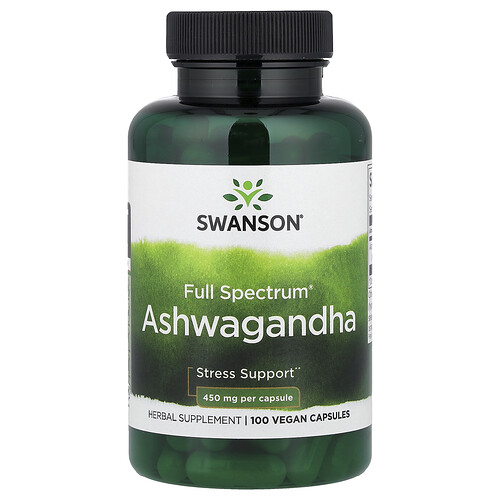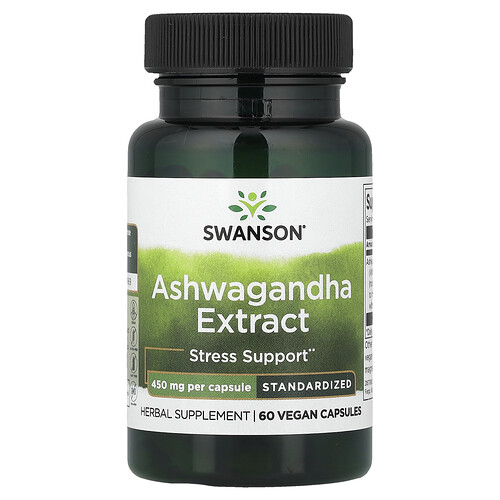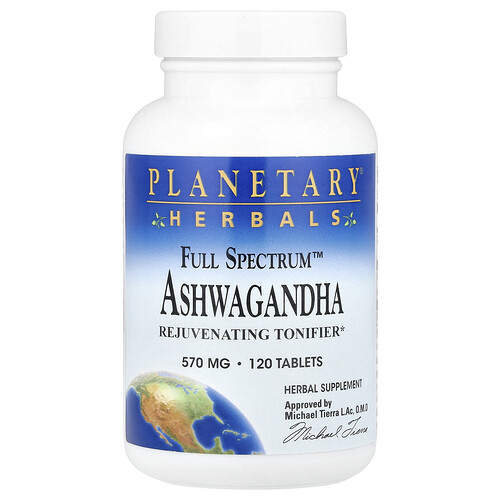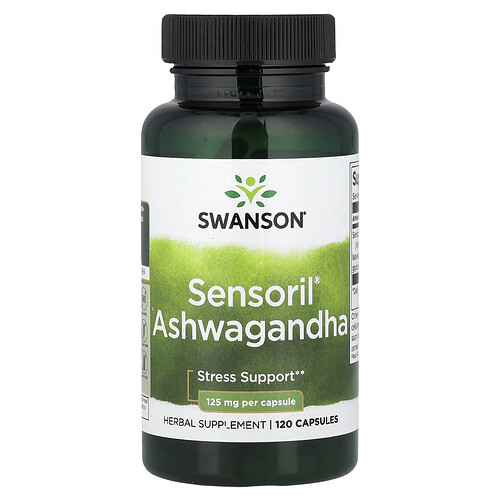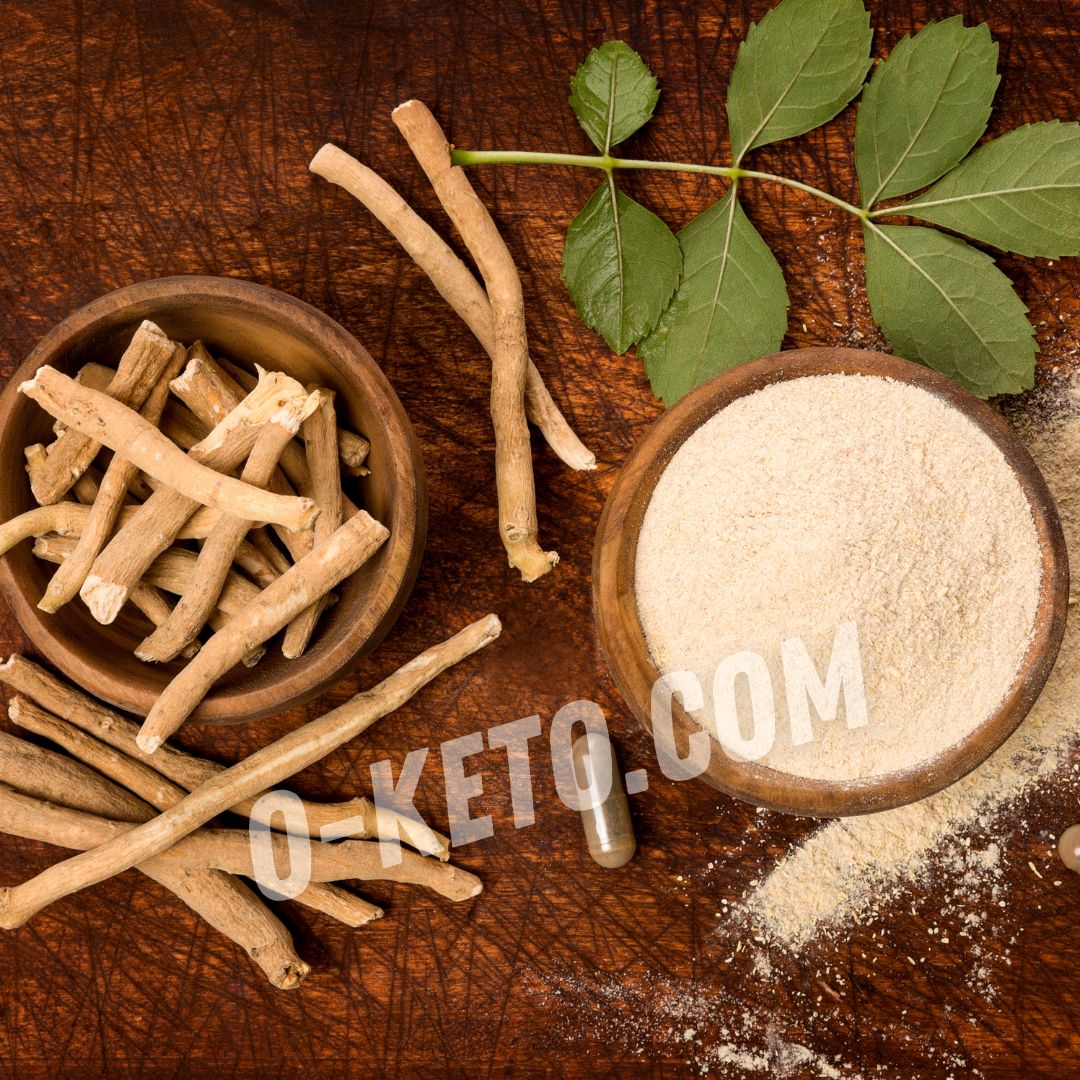

Ashwagandha, or Withania somnifera, is a plant from the nightshade family, known in Ayurvedic tradition as Indian ginseng. In food terms, it is not a vegetable and not a bright seasoning, but plant material sold as root powder, capsules, tablets, liquid extracts, and drink mixes. The powder has an earthy, bitter, slightly astringent taste, so it is rarely used like an ordinary culinary ingredient.
Ashwagandha root contains withanolides, alkaloids, and saponins. These compounds are the usual reason for interest in the plant, but the product should not be described as a universal remedy. For everyday use, more practical details matter: form, serving size on the label, added ingredients, personal compatibility, and what the powder is mixed with.
Available forms
Dried root powder is the most culinary form. It can be stirred into warm liquid, thick unsweetened yogurt, a protein shake, or a spiced drink. Capsules and tablets are easier if the taste is unpleasant, but the amount per serving and capsule shell should be checked. Liquid extracts can be concentrated, so they cannot be compared with powder by milliliters alone.
Labels often mention 300–500 mg portions of standardized extract or small servings of powder. This is not a single rule for all products. Withanolide concentration, extraction method, and added ingredients differ, so a serving size from one container should not be copied to another.
Is it suitable for keto?
Ashwagandha itself is usually used in a small amount, so its carbohydrate contribution is modest. For keto and LCHF, the drink base is more important. Mixes with sugar, honey, syrups, sweetened milk powder, or sweet flavorings are not suitable for strict low-carbohydrate eating. More convenient options are water, unsweetened almond or coconut milk, a little cream, thick yogurt without sugar, or a protein shake with a clear ingredient list.
Capsules barely change macronutrients, but the ingredient list still matters. Some blends combine ashwagandha with other plants, caffeine, sweet fillers, or sugar alcohols. If the goal is simple carbohydrate control, a short ingredient list is easier to work with.
How to use it
The powder is best mixed first with a small amount of warm water, cream, or yogurt, then combined with the rest of the liquid. This reduces lumps. Cinnamon, cardamom, ginger, unsweetened cocoa, vanilla, and a pinch of salt soften the taste. In cold drinks the powder can settle at the bottom, so a shaker or blender works better than a spoon.
In cooking, ashwagandha fits drinks and soft mixtures better than salads, soups, or dishes with a clean flavor. It can easily overpower delicate foods and add herbal bitterness. Start with a small portion, especially when using the product for the first time or when the taste feels heavy.
How to choose
Look for the botanical name Withania somnifera, the plant part used, country of origin, packing date, and a clear ingredient list. For extracts, standardization is useful, for example the percentage of withanolides. Powder should be dry, with no moldy smell, damp clumps, or sharp chemical fragrance.
If the product is sold as a “complex,” read it especially carefully. The blend may contain magnesium, melatonin, other herbs, sweeteners, or flavorings. That is no longer just ashwagandha, and tolerance will depend on all components.
Limitations
Ashwagandha is not a product for careless daily use. Caution is needed during pregnancy, breastfeeding, planned surgery, overactive defense-system conditions, thyroid issues, use of sedatives, hormonal products, and products that affect blood sugar or blood pressure. In these situations, use should be discussed with a professional in advance.
Drowsiness, stomach discomfort, nausea, loose stool, headache, or an allergic reaction may occur. People who react to plants from the nightshade family should be especially careful. If rash, swelling, marked weakness, or strong abdominal pain appears, stop using the product.
How to store it
Keep the powder in a dry, dark place, in a tightly closed container. A wet spoon quickly spoils the texture and raises the risk of clumping, so use only a dry utensil. After opening, it is useful to mark the date and not keep the product for years.
Capsules and extracts should stay in their labeled packaging with the instructions. Some liquid forms require refrigeration after opening; this depends on the formula. A product with an off smell, changed texture, or unknown date is better discarded.
What can replace it?
If the goal is a similar warm sugar-free drink format, use cocoa, cinnamon, cardamom, chicory, ginger, or vanilla. If a plant supplement is specifically desired, maca or shatavari sometimes occupy a similar place in drinks, but they are different products with their own limitations. In recipes, ashwagandha usually does not provide structure, so it can simply be omitted.