


Infectious diseases
During acute infections, the burden on immunity, antioxidant defense, hydration, and electrolyte balance rises, so supportive nutritional strategies have to be evaluated with extra care.
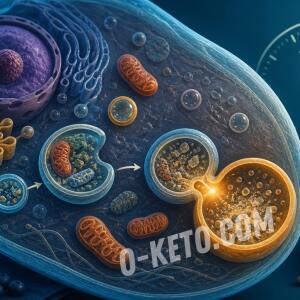



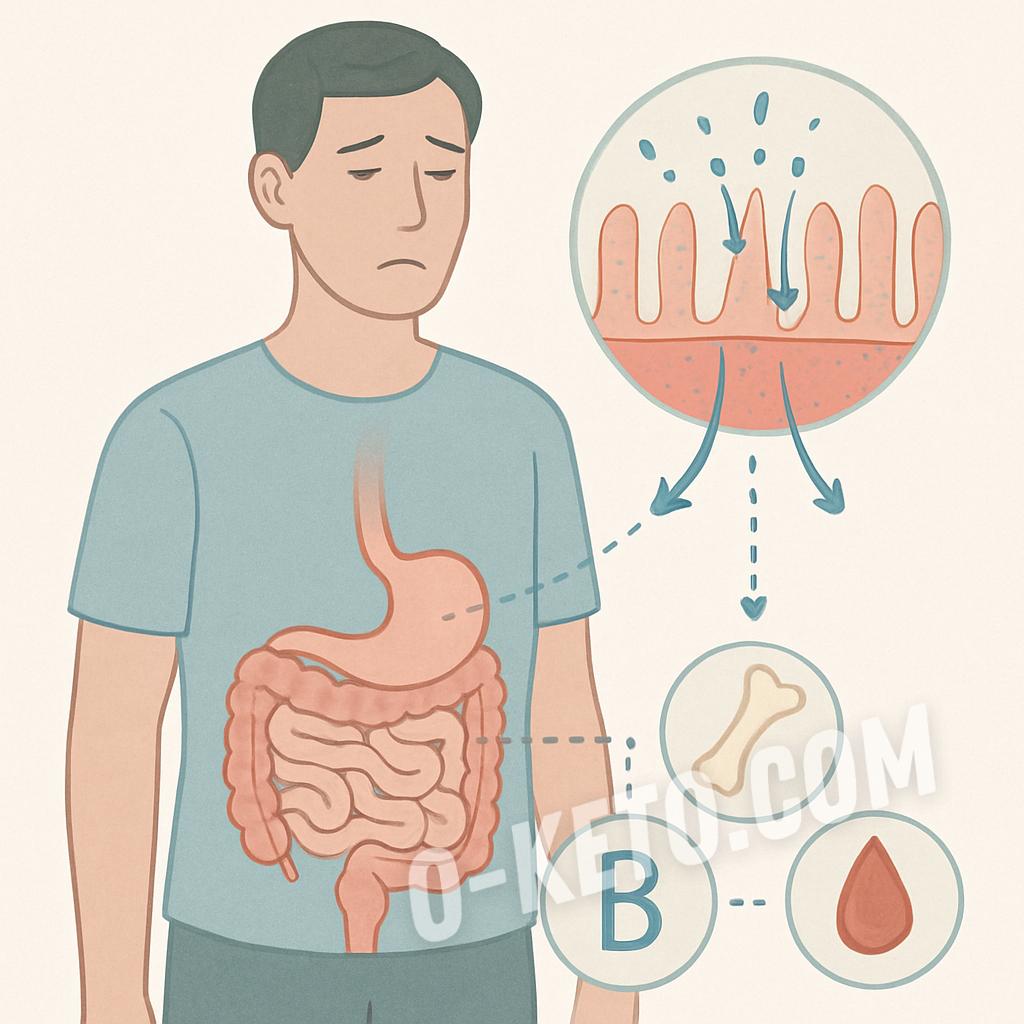
Infectious diseases are a broad group of conditions in which the body encounters viruses, bacteria, fungi, or other pathogens. Their course can vary greatly, from a relatively mild viral illness with fever and fatigue to a severe process that requires hospital treatment. What remains common is that immune demands, hydration, appetite, and food tolerance change more quickly than on ordinary days. In this context, supportive nutrients are not viewed as replacements for treatment, but as part of overall care that may help a person cope better with the increased metabolic load.
Why infections change the body’s needs
During an acute infection, fluid losses often increase, sweating becomes more intense, and vomiting or diarrhea may appear while appetite falls. Fever and inflammatory signals alter metabolism and can raise needs for water, protein, and certain micronutrients. When a person barely drinks or eats while continuing to lose fluid, fatigue, tachycardia, headache, and dizziness usually worsen faster. That is why infections are managed not only with medications, but also with simple basics such as water, electrolytes, rest, accessible food, and close attention to any signs of deterioration.
Vitamin C is relevant here because it participates in immune cell function, helps protect tissues against excessive oxidative stress, and supports recovery after inflammatory strain. This does not mean ascorbic acid alone can stop a serious infection, but it does help explain why it is sometimes used in divided doses during acute illness so that support remains more even across the day. In practical terms, this often makes more sense than taking one very large dose and expecting an immediate effect.
What matters during acute infections
The first practical task is to prevent dehydration. If someone has fever, is sweating heavily, breathing faster than usual, or eating very little, water and sodium become especially important. On a low-carb or ketogenic diet this can matter even more because with lower glycogen reserves, water and electrolytes may be lost faster. If the same person also avoids salt, drinks mostly tea or coffee, and eats almost no protein, the worsening may reflect not only the infection itself but also a basic deficit of fluid and electrolytes.
The second task is to assess symptom severity honestly. It is one thing when a person has a runny nose, sore throat, and moderate fever, and something very different when shortness of breath, confusion, severe weakness, chest pain, rash, persistent vomiting, or meningeal signs appear. In those situations, discussions about supportive dosing move into the background because timely medical evaluation becomes the priority.
Nutrition, recovery, and caution
During an infection, food does not have to be perfect, but it should be realistic and tolerable. If appetite is low, smaller meals are often better than forcing a normal portion. Broths, eggs, fermented dairy, soft fish, soups, protein-rich meals, and tender vegetables may work well if they do not worsen nausea. On keto or LCHF, it is not necessary to force a rigidly “ideal” pattern at any cost if rich foods are hard to tolerate. For a short period, the priority is tolerance, protein intake, fluid, and a gradual return to the usual diet after stabilization.
It is also important not to overestimate supplements. If a person is getting worse, fever lasts too long, cough intensifies, oxygen saturation falls, or profound sleepiness or confusion develops, vitamin C support alone is not enough. It may complement care, but it should never create a false sense that a serious infection is fully controlled without a physician.
When support is appropriate and when caution is needed
Supportive regimens usually make the most sense at the beginning of the acute phase or during recovery afterward, when the goal is to help the person return to normal eating, drinking, and activity. Even in milder cases, it is still wise to consider medications, chronic diseases, and gastrointestinal tolerance. High vitamin C doses may cause intestinal discomfort, especially if taken infrequently but in very large amounts. For that reason, divided dosing is often easier to tolerate.
If a person has chronic kidney disease, a tendency toward oxalate stones, severe gastrointestinal disease, marked diarrhea, or a complex medication plan, support should be more cautious and individual. Infection is already a stressor, so adding chaotic supplement experiments on top of it is usually not helpful.
Red flags that require urgent help
Urgent medical care is needed with breathing difficulty, bluish discoloration, chest pain or pressure, repeated vomiting with inability to drink, seizures, confusion, extreme drowsiness, a sharp blood pressure drop, severe dehydration, suspicion of meningitis, severe pneumonia, or rapid deterioration in a child, older adult, or immunocompromised patient. Nutritional support is useful only when it works alongside proper diagnosis and treatment rather than trying to take their place.
If you have any questions about the term "Infectious diseases", you can ask them to AI. Please note, a low-cost OpenAI model is used. It may answer questions about disease treatment with errors!

 1 / 4
1 / 4


 1 / 4
1 / 4
 1 / 4
1 / 4 1 / 4
1 / 4 1 / 4
1 / 4