


HIV
A chronic viral infection targeting CD4 immune cells that requires early diagnosis, regular viral-load monitoring, treatment adherence and attention to nutrition, coinfections and overall health rather than fear alone.



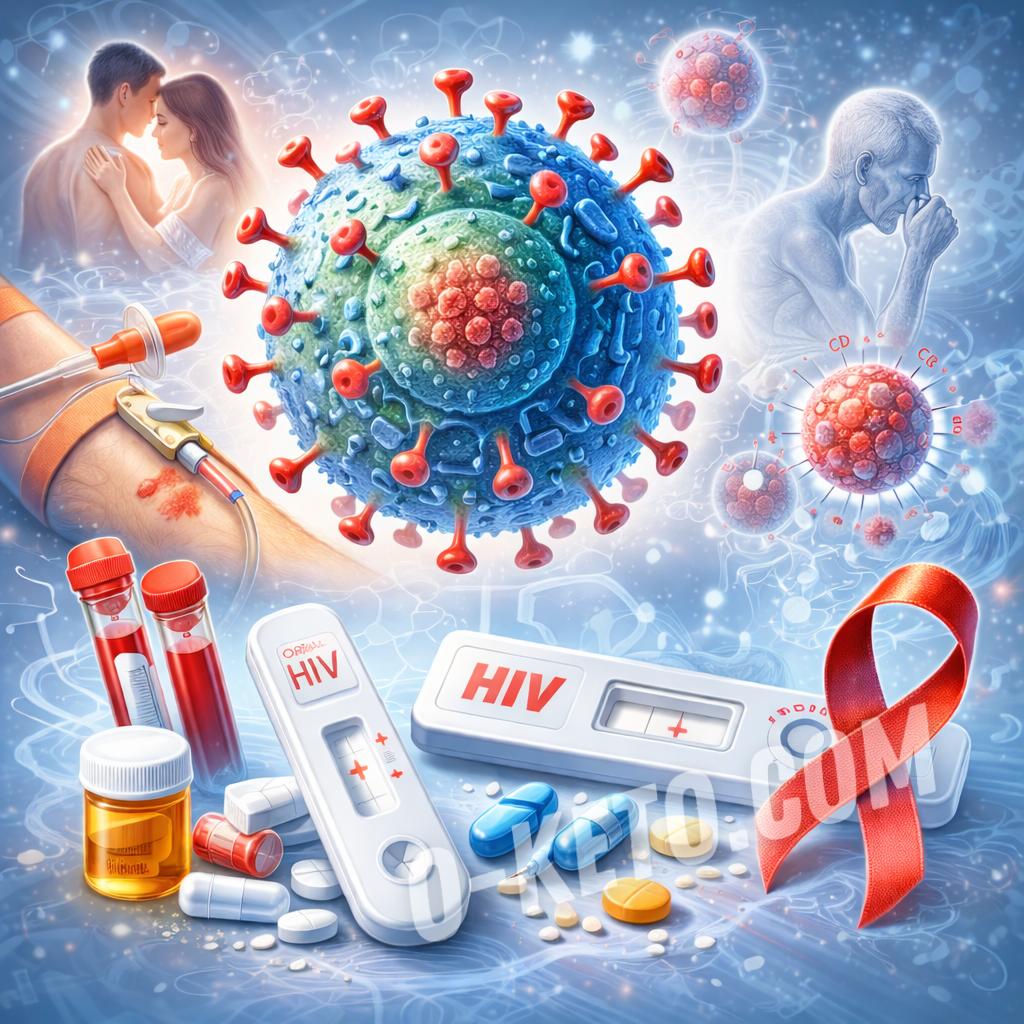
HIV is a chronic viral infection that primarily targets the immune system, especially CD4 lymphocytes. Without treatment, the body gradually loses its ability to defend itself effectively against infections and some malignancies. Modern understanding of HIV, however, is very different from older fears: with timely diagnosis and consistent antiretroviral therapy, a person can live long, preserve quality of life and greatly reduce the risk of transmission. The main practical task is therefore not fear of the label, but early detection and stable adherence to treatment.
What matters about the course of infection
After infection there may be an acute phase with fever, lymph-node swelling, sore throat or rash, or the phase may pass with few obvious symptoms. A long period can then follow in which the person feels relatively well even while the virus continues to affect immune function. That is why many people do not know their status for a long time unless they are tested. Without monitoring and therapy, later stages bring higher risk of opportunistic infection, weight loss, chronic inflammation and multisystem complications.
Modern medicine no longer treats HIV as an immediate sentence, but as a chronic infection requiring structured monitoring and therapy.
Which tests are truly important
Practical follow-up relies on status confirmation, viral load, CD4 count, treatment monitoring, liver and kidney markers, coinfection screening and broader metabolic review. Viral load together with CD4 gives the clearest picture of whether infection is controlled and how protected the immune system remains. Screening for hepatitis, tuberculosis, sexually transmitted infections and other modifying conditions is also important.
For that reason HIV cannot be followed only by symptoms. A person may feel relatively well and still need objective laboratory monitoring.
Nutrition, body weight and overall health
Nutrition does not treat HIV, but it strongly affects resilience, tolerance of therapy and the risk of deficiencies. Low protein or energy intake, iron deficiency, B12 or folate deficiency, vitamin D issues, poor sleep, alcohol and chronic stress can all worsen general condition. On the other hand, in some people on therapy, body weight, insulin resistance, lipids and liver health become more relevant over time.
That is why support in HIV care includes not only virology, but also sleep, nutrition, medication adherence, infection prevention and work on other health risks.
Why early diagnosis matters so much
The earlier HIV is detected, the earlier therapy can begin and the better protected the immune system remains from long-term damage. This matters for the individual and for partners. Consistent treatment lowers viral load and improves long-term prognosis, whereas delaying testing and therapy makes the course less predictable.
In practical terms, that means testing matters not only when symptoms appear, but also as part of responsible sexual-health and risk awareness.
When urgent in-person care is needed
Urgent evaluation is needed with high fever, marked weakness, shortness of breath, rapid weight loss, prolonged diarrhea, painful oral lesions, neurological symptoms, spreading rash or signs of serious infection. In people already diagnosed with HIV, quick attention is also important when therapy cannot be taken reliably or serious side effects appear.
The most useful view is to treat HIV as a chronic infection that can be lived with when diagnosis is early, therapy is regular and follow-up is structured. That perspective is far more accurate than the older frightening stereotypes attached to the diagnosis.
What matters most in long-term follow-up
Long-term HIV care depends on consistency. It is not enough to start antiretroviral therapy; it also has to be taken reliably, with ongoing contact with the treating clinician and timely monitoring of coinfections, vaccination status, liver health, kidney markers, lipids and mental well-being. Many practical problems come not from the virus alone, but from missed treatment, stigma, fear of disclosure and delayed medical contact.
Quality-of-life support also includes sexual health, nutrition, sleep, reduction of injection or other risk practices when relevant and careful review of drug interactions. The more structured follow-up becomes, the better the chance of maintaining durable viral suppression for years.
If you have any questions about the term "HIV", you can ask them to AI. Please note, a low-cost OpenAI model is used. It may answer questions about disease treatment with errors!


 1 / 4
1 / 4
 1 / 4
1 / 4
 1 / 4
1 / 4


 1 / 4
1 / 4