The skin, hair, nails, and mucous membranes can sometimes reflect inadequate energy, protein, iron, zinc, vitamins, or other nutrients. That is why persistent hair shedding, cracks at the corners of the mouth, or an unusual nail change often leads people to search for a single “vitamin for the symptom.” The difficulty is that visible findings are rarely specific. The same change may result from diet, inflammation, infection, medication, stress, hormones, or local injury.
A nutrition-focused physical examination is therefore a screening step, not a diagnosis. Its purpose is to notice a pattern, ask better questions, and decide whether an in-person assessment or targeted testing is needed. The broader and more persistent the change, the more useful it is to consider the whole context rather than a photograph of one nail or a handful of hair.
What is assessed during the examination
A clinician does not begin by hunting for one “magic” sign. The first view includes changes in body weight, muscle and subcutaneous tissue, strength, appetite, thirst, and tolerance of ordinary activity. Swelling, marked weakness, rapid weight loss, or difficulty chewing and swallowing may point to a broader nutrition problem or another illness rather than to one vitamin deficiency.
The examination then considers the skin, hair, nails, and oral cavity. Color, texture, symmetry, speed of onset, pain, itching, inflammation, bleeding, cracks, and delayed healing all matter. This process helps form reasonable hypotheses, but each hypothesis still needs to be checked against other explanations.
Skin: dryness, lesions, and color changes
Dryness, cracking, scaling, and marked thickening can occur with inadequate fat or protein and with some vitamin deficiencies, but common local causes are often more likely: cold air, frequent washing, irritating products, eczema, or psoriasis. The appearance of the skin alone therefore cannot answer the question, “Which vitamin is missing?”
Pallor may occur with anemia, while easy bruising, pinpoint bleeding, or bleeding gums may prompt a review of nutrition and clotting. A yellowish tone, darker patches, inflammation around follicles, and slow wound healing also need context because liver or thyroid disease, diabetes, medication, infection, and sun exposure can produce similar findings. The practical point is that the skin can guide questions, but it cannot name the deficiency.
Hair: shedding and changes in texture
Hair assessment includes overall density, the width of the part, patchy loss, breakage, dryness, shine, and the condition of the scalp. Diffuse shedding after an illness, severe stress, rapid weight loss, or surgery can have a different mechanism from round patches or an inflamed scalp. Inadequate protein, iron, zinc, and some vitamins are possible contributors, but they are not the only explanations.
When shedding starts suddenly or continues for months, review changes in diet, weight loss, blood loss, new medicines, thyroid problems, and family history. A universal “hair formula” is not a substitute for that review. Excessive doses of some nutrients can also cause harm, and an unneeded supplement may delay the search for the actual cause.
Nails: brittleness, ridges, and shape
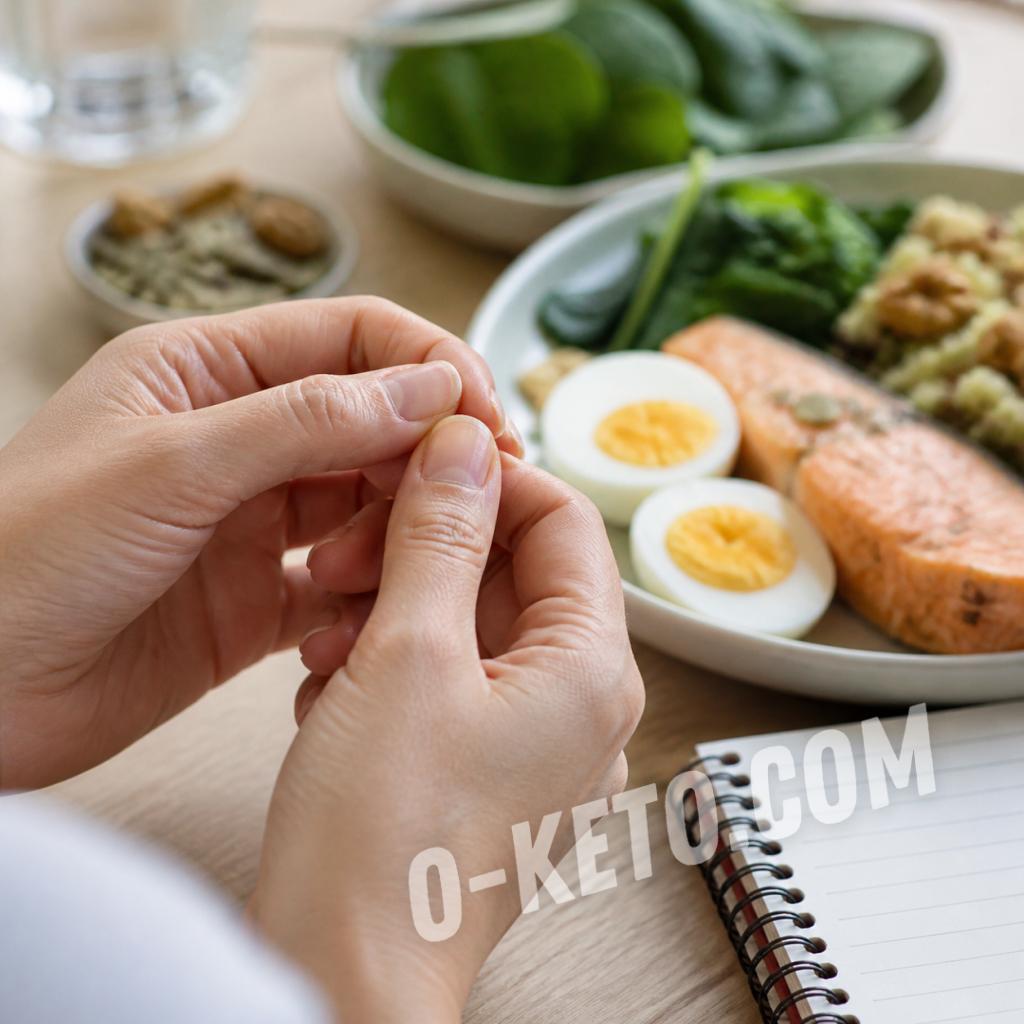
Thin or brittle nails can result from repeated water and chemical exposure, cuticle trauma, fungal infection, or skin disease. A spoon-shaped nail may justify checking iron status, but one nail is not a diagnosis of anemia. White spots, longitudinal ridges, and changes in the lunula also have many possible causes and may simply reflect local injury or normal nail growth.
During an examination, all nails and the surrounding skin are considered, along with the speed of change. Lines, pits, color changes, and slow capillary refill are interpreted together with symptoms and the general picture. Widespread or rapidly progressive changes, especially with weakness, breathlessness, swelling, or weight loss, deserve medical assessment rather than self-prescribed iron or calcium.
Mouth, tongue, and gums
The lips, corners of the mouth, tongue, and oral mucosa can respond to inadequate iron, B vitamins, vitamin C, protein, and other nutrients. Angular cracks, a sore tongue, unusual pallor, bleeding gums, and ulcers are findings a clinician may take seriously. Similar symptoms, however, can come from dental disease, dry mouth, candidiasis, poorly fitting dental appliances, allergy, or mechanical irritation.
Ask when the symptom began, whether chewing hurts, whether the diet changed, whether antibiotics were used, and whether digestion has become difficult. Avoiding whole food groups, chronic diarrhea, gastrointestinal surgery, or medicines that affect absorption changes the probability of a nutrition-related cause. An oral examination is most useful when it points to a specific next step, not to a long list of supplements.
Why a visible sign is not the same as deficiency
Nutrients participate in many processes, so inadequate status may affect several tissues. Yet skin, hair, nails, and mucosa also respond to many non-nutritional factors. A visible symptom may appear before a laboratory change, alongside it, or without any connection to nutrition at all.
The conclusion becomes more reliable when several lines agree: a relevant diet, a risk factor for malabsorption, a gradual pattern of compatible findings, and suitable test results. Even then, a clinician considers alternatives. A normal appearance does not prove perfect nutritional status, and one troubling symptom does not prove a deficiency.
What to do when you notice changes
Start by recording what changed and when. Photograph nails under similar lighting, note the intensity and duration of hair shedding, and list medicines, illnesses, dietary restrictions, and weight changes. Also note weakness, breathlessness, diarrhea, pain, blood loss, swelling, fever, or delayed healing.
Arrange an in-person assessment when a change persists, progresses quickly, hurts, or comes with general symptoms. Tests should follow the leading hypothesis: for example, suspected anemia may call for a complete blood count and iron-status markers, while a universal “test everything” panel is not always useful. High-dose supplements are not a safe diagnostic test; they can cause side effects, alter laboratory results, and hide another problem.
Conclusion
External signs can alert you to a possible nutrition problem, but they cannot reliably identify a specific deficiency without context and confirmation. Consider the combination and timing of findings, diet, medicines, and illness, then choose an evaluation that matches the most likely cause. This is safer and more precise than treating every crack, ridge, or loose strand with a separate supplement.
Sources
- Hair, Nails, and Skin: Differentiating Cutaneous Manifestations of Micronutrient Deficiency
- Cutaneous signs of nutritional disorders
- Symptoms and Signs of Nutritional Deficiency — Merck Manual
- Malnutrition Screening and Assessment
- Diet and hair loss: effects of nutrient deficiency and supplement use