


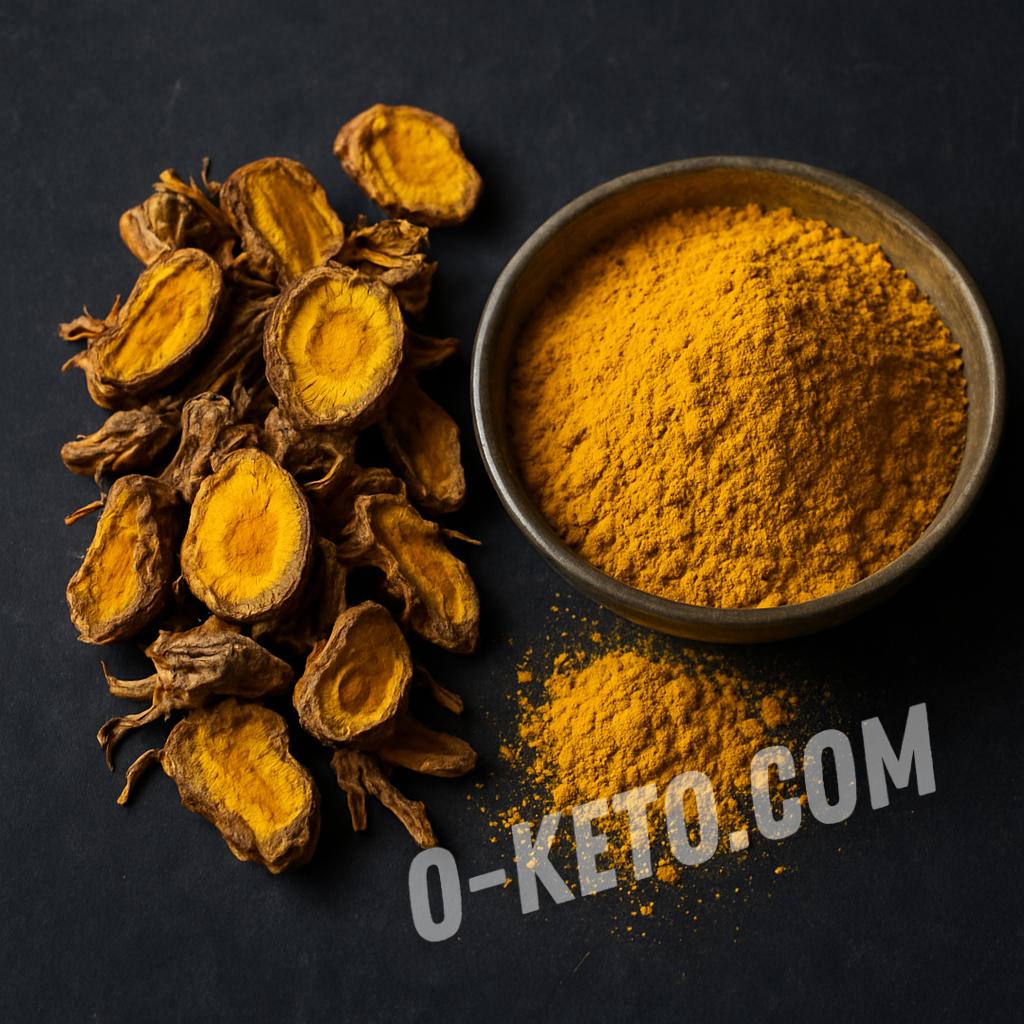

Goldenseal is a medicinal herb from North American herbal practice and is usually used not as a food, but as a concentrated plant product taken in short courses. Interest in it is mainly connected with alkaloids such as berberine and hydrastine, which is why it is most often discussed in relation to the mucosa of the upper respiratory tract, the mouth, parts of the gastrointestinal tract, and periods of increased infectious stress. At the same time, the practical meaning of goldenseal depends not only on the herb name itself, but also on the form, the extract quality, and the actual dose of the root material.
What kind of plant it is
Goldenseal usually refers to Hydrastis canadensis. Supplements most often use the root and rhizome, which contain bitter isoquinoline alkaloids. Those compounds shape both the taste profile and the reason the herb attracts attention. In simplified language, goldenseal is sometimes called a natural antimicrobial herb, but that description is too vague. It is not a universal replacement for medical care and not an herb for indefinite everyday use. It is a more active botanical product that makes sense only when the dose, duration, and tolerance are taken seriously.
When it is commonly considered
Goldenseal is most often mentioned during acute upper-respiratory episodes, irritation of mucosal surfaces, and short herbal protocols aimed at the nose, throat, or mouth. Some formulas combine it with other botanicals during seasonal infection periods. Even so, it should not be treated as a casual “immune herb” for constant background use. The more active the formula is, the more important it becomes to respect the intended course length and monitor digestive tolerance.
Which forms are on the market
In practice, goldenseal is sold as powder, capsules, tablets, liquid extracts, and blended cold-season formulas. Those forms can differ substantially in strength. One product may contain simple powdered root, while another may provide a more concentrated standardized extract. Because of that, it is better to judge the product by the declared milligram content, the part of the plant used, and the clarity of the label rather than by the herb name alone. A vague label makes it much harder to understand what the person is actually taking.
What matters in use
Goldenseal is usually used in limited courses rather than for continuous long-term intake. It is active enough to cause stomach irritation, bitterness, digestive discomfort, or poor tolerance when used too heavily or for too long. Caution is especially reasonable in pregnancy, breastfeeding, marked sensitivity to herbal products, and situations where a person is already taking several active plant or drug-based formulas at once. If the reason for use is a respiratory infection, the herb still does not replace medical review when high fever persists, pain worsens, or purulent complications appear.
How to choose a product
It is useful to check whether the label clearly states the plant part, the dose in milligrams, and whether the extract is standardized. This is more informative than relying on broad marketing promises. Products overloaded with sweeteners, syrups, or unnecessary flavor systems are often less attractive for people who prefer predictable formulas. For short practical courses, forms with an explicit dose are easier to use than preparations where the true amount of active root remains unclear.
Storage
Dry forms should be stored in a tightly closed container away from humidity, direct light, and strong odors. Liquid extracts should be kept according to the manufacturer’s instructions and not used past expiry. With active herbal products, storage affects not only smell and taste but also the stability of the compounds the user is actually relying on.


