


Rosacea
Rosacea is a chronic inflammatory and vascular skin condition that causes persistent facial redness, flushing, visible vessels, skin sensitivity, and sometimes acne-like inflammatory bumps. Flares are often intensified by sun exposure, heat, stress, alcohol, spicy foods, and disruption of the skin barrier.



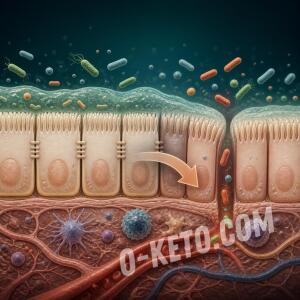
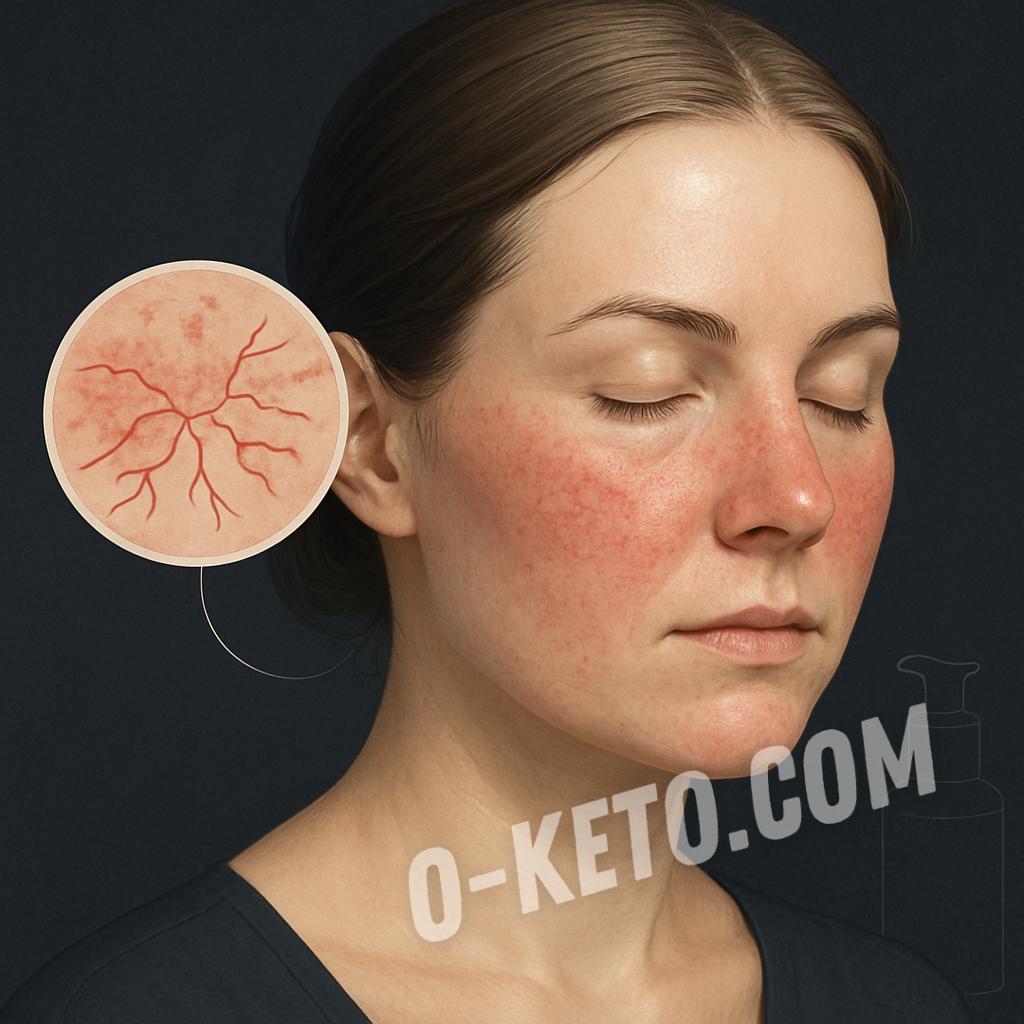
Rosacea is a chronic inflammatory and vascular skin condition that usually affects the central face, especially the cheeks, nose, chin, and forehead. For many people it does not look like a single breakout or a brief episode of redness. Instead, it behaves as repeated flushing, persistent facial color change, visible small vessels, skin sensitivity, and in some cases inflammatory papules or pustules that can easily be mistaken for acne. That distinction matters from the start. Rosacea is not simply “sensitive skin.” It is a condition in which vascular overreactivity, barrier dysfunction, and local inflammation overlap. Some patients also develop eye irritation, and long-standing uncontrolled disease can eventually lead to thickened skin in selected areas.
What rosacea usually looks like
Rosacea can present in different patterns. Some people mostly notice flushing episodes and rapid facial redness after heat, stress, alcohol, or hot food and drinks. Others gradually develop more constant redness with visible tiny blood vessels. Another group develops inflammatory bumps and pustules on top of the redness, which is why the condition is often confused with common acne. A highly practical clue is that rosacea-prone skin often stings, burns, and reacts poorly to harsh skincare, even when those same products seem mild on other skin types.
In some patients the process also involves the eyes. They may develop dryness, a gritty sensation, red eyelids, tearing, or light sensitivity. This form is often called ocular rosacea. It deserves the same level of attention as the facial rash because long-standing eye irritation can seriously affect comfort and may require separate assessment by an eye specialist.
What most often triggers flares
Rosacea rarely flares without a trigger. People often have their own individual pattern, but the most common triggers include sun exposure, heat, abrupt temperature changes, hot drinks, alcohol, spicy meals, emotional stress, intense exercise, saunas, irritating skincare, and aggressive cosmetic procedures. The condition of the skin barrier matters as much as the trigger itself. If the barrier is already damaged by over-cleansing, exfoliating acids, scrubs, or repeated experimentation with active ingredients, redness and burning usually become much easier to provoke.
That is why rosacea should not be reduced to a single cause. It reflects increased vascular reactivity, inflammatory signaling, dysregulation of innate immune responses, and a weakened protective barrier. In some people sunlight, heat intolerance, or the wrong skincare pattern plays an especially strong role. In others, inflammatory lesions or eye symptoms dominate the picture.
How diagnosis is made and what it is confused with
Rosacea is usually diagnosed clinically, meaning from the visible pattern and history rather than from one laboratory marker. A clinician looks at where the redness sits, whether flushing is recurrent, whether visible vessels or inflammatory lesions are present, how reactive the skin is, and whether the eyes are involved. Blood tests do not directly confirm rosacea, but they may be useful when the physician needs to distinguish it from acne, seborrheic dermatitis, contact dermatitis, lupus, allergy-related reactions, or marked photosensitivity disorders.
A practical point is that acne and rosacea are not the same problem. Acne more often includes comedones and follows a different inflammatory pattern, while rosacea puts redness, flushing, visible vessels, and sensitivity in the foreground. When the distinction is missed, people often over-treat themselves with harsh anti-acne regimens and end up with even more burning, dryness, and persistent irritation.
What usually helps keep it under control
Management has two main goals: reduce provocation and match treatment to the dominant subtype. When flushing and persistent erythema are the main issues, the strategy often centers on sun protection, gentle skincare, avoiding overheating, and carefully selected topical treatment. When papules and pustules dominate, anti-inflammatory therapies may be chosen differently. Ocular involvement needs its own approach for the eyelids and eye surface. There is no single cream that solves every rosacea pattern because vascular redness, inflammatory bumps, and eye symptoms do not behave identically.
Random experimentation usually makes matters worse. The more someone layers acids, retinoids, harsh cleansers, alcohol-based products, and aggressive procedures, the greater the chance of persistent barrier injury. In rosacea, consistency and calm control generally work better than trying to attack every symptom at once.
Which daily habits and skincare choices matter most
In everyday practice, the most useful foundations are gentle cleansing, reliable moisturization, and daily sun protection. Fragrance-light or fragrance-free products with a low-irritation profile are often better tolerated. It also helps to identify personal triggers: for one person alcohol is the key problem, for another heat, for another spicy food, and for someone else strenuous exercise in warm conditions. A simple symptom diary often provides more benefit than constantly changing products.
Extra caution is warranted if the eyes are involved, if burning is severe, if redness escalates quickly, if the skin on the nose begins to thicken, or if the facial changes are causing marked psychological distress. Rosacea is usually not an emergency, but without control it can sustain inflammation, sensitivity, and vascular instability for years. The most helpful mindset is to treat it as a chronic but manageable condition that needs a precise, steady plan rather than panic or repeated aggressive experiments.
If you have any questions about the term "Rosacea", you can ask them to AI. Please note, a low-cost OpenAI model is used. It may answer questions about disease treatment with errors!


 1 / 4
1 / 4 1 / 4
1 / 4 1 / 4
1 / 4 1 / 4
1 / 4