


Seborrheic dermatitis
A chronic inflammatory skin condition with peeling, itching and redness most often occurs on the scalp and seborrheic areas of the face. For seborrheic dermatitis, regular care, assessing triggers, and seeing a doctor if symptoms are severe or recurring are important.
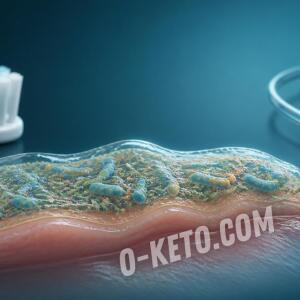



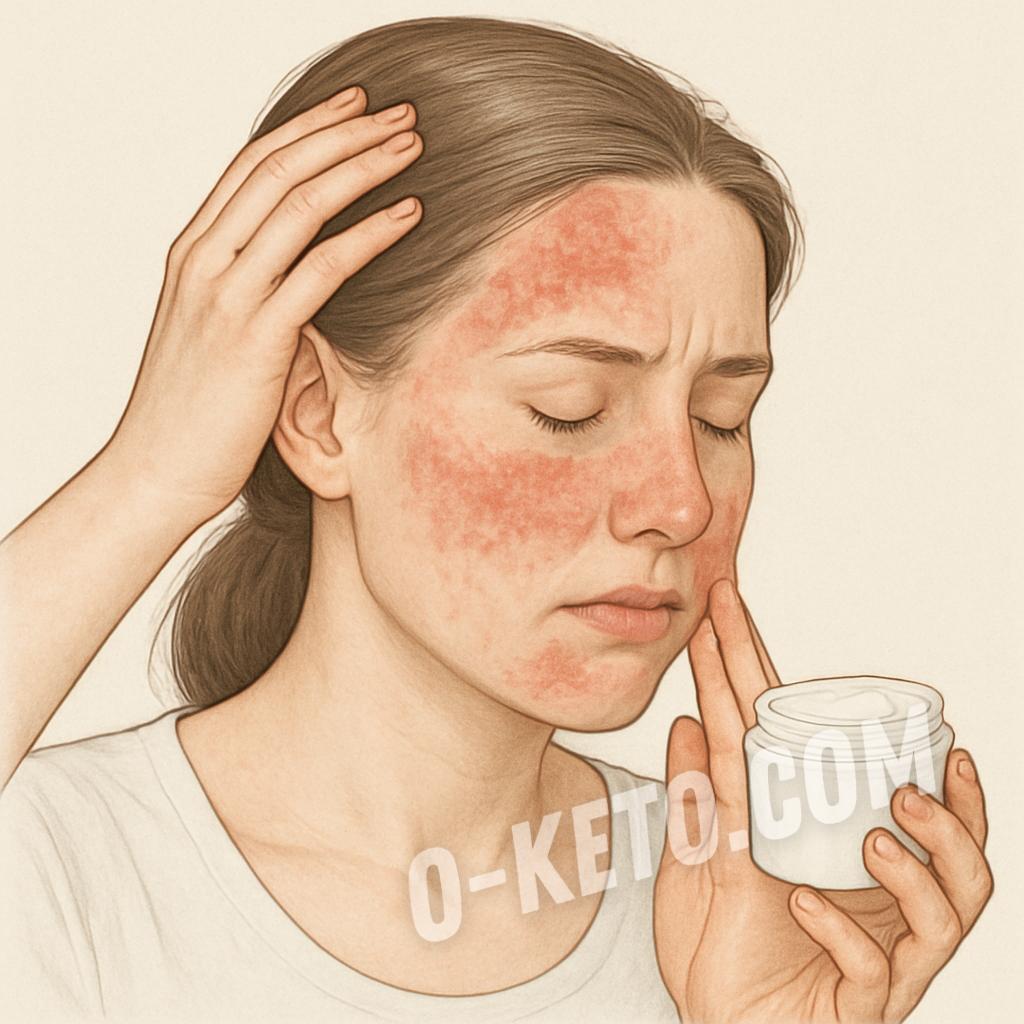
Seborrheic dermatitis is a chronic inflammatory skin condition that most often affects areas with higher sebum production. This usually affects the scalp, the area around the nose, the eyebrows, behind the ears, the upper chest and sometimes the folds of the skin. For some people, this is periodic dandruff and moderate flaking; for others, noticeable redness, itching, oily or dry scales and worsening of the condition due to stress, sleep, seasonal changes or aggressive grooming. Although the disease is often perceived as a purely cosmetic nuisance, in practice it can recur for a long time and significantly affect comfort and appearance.
This condition cannot be reduced to one reason. The development of seborrheic dermatitis involves the functioning of the sebaceous glands, the reaction of the immune system, the composition of the skin microbiome and, above all, sensitivity to yeast-like fungi of the genus Malassezia, which naturally live on the skin of many people. What is important is not just the fact of their presence, but how the skin and immune response react to their activity. Therefore, a similar level of care in different people can give completely different results.
How it usually manifests itself
The most common complaints are flaking of the scalp, itching, irritation, redness and the appearance of yellowish or white scales. For some people, dandruff remains the main manifestation, while for others the process extends beyond the scalp and affects the face or body. Areas of redness and fine peeling often appear in the area of the eyebrows and wings of the nose. On the scalp, the condition sometimes worsens with infrequent washing, inappropriate styling products, heavy sweating or prolonged wearing of hats.
Seborrheic dermatitis can occur in waves. There are periods of relative calm, and then due to stress, lack of sleep, illness, climate change or too irritating care, the symptoms return. It is this recurrent pattern that distinguishes it from occasional short-term peeling after inappropriate shampoo.
Why is the condition worsening?
Deterioration is often due to a combination of factors rather than a single cause. Common triggers include emotional stress, poor sleep, winter season, dry indoor air, impaired skin barrier function and overly aggressive cleansers. In some people, the condition worsens due to a general inflammatory background, severe sweating, rare changes in care products, or the use of dense, fatty products that are poorly tolerated by their skin.
It must be remembered that other skin diseases sometimes give similar symptoms: psoriasis, atopic dermatitis, contact dermatitis, fungal infections or irritation after cosmetics. Therefore, if the rashes become unusual, very bright, painful, weeping, or have spread sharply, it is better not to limit yourself to choosing a shampoo yourself, but to show your skin to a doctor.
How to usually approach treatment
The basic approach usually involves regular but non-aggressive care and topical treatments that reduce inflammation, flaking and fungal activity. Depending on the affected area and severity, medicated shampoos, external antifungal agents, anti-inflammatory drugs and gentle restoration of the skin barrier can be used. It is not a one-time intense attack that is very important, but a supporting regime, because a chronic process often has relapses.
If the damage is limited to the scalp, people sometimes think that simply washing their hair more often is enough. In practice, this does not always solve the problem. It is more useful to choose products that really suit the current condition of the skin, do not dry it out and are used with understandable regularity. When inflammation is severe or spreads to the face, self-medication easily prolongs the problem.
What role can nutrition and deficiencies play?
Seborrheic dermatitis cannot be reduced to just nutrition, but overall skin health does depend on the adequacy of protein, fatty acids, sleep, stress levels and certain micronutrients. Some people discuss the role of zinc deficiency, B vitamins and other factors that affect the barrier function of the skin and its renewal. This does not mean that any episode of flaking will automatically be treated with supplements. It is first important to understand whether there is a local cause, irritating product or other skin disease.
Biotin is often mentioned in the context of skin, hair and nails. It is considered as one of the nutrients that may be useful in some support regimens, especially if there is reason to think about insufficient supply or increased requirement. But high doses of biotin do not replace diagnosis and external treatment if the skin is actively inflamed and the condition recurs.
When is a medical evaluation needed?
Seeing a doctor is especially important if the process is severe, constantly returns, occupies large areas of the skin, is accompanied by pain, weeping, cracks, hair loss from lesions, crusts, or lack of effect from normal care. Special attention is required when the lesion first appeared in adulthood and is growing rapidly, or when there are concomitant diseases that affect immunity, metabolism or skin condition.
Sometimes severe seborrheic dermatitis occurs against the background of other conditions, which are also important for tactics. Therefore, it is useful to look at the broader picture: how a person sleeps, what is happening with stress, whether there are other symptoms from the skin, intestines, metabolism, and whether there has been a sudden change in cosmetics or medications.
Practical approach in everyday life
In everyday life, regularity is more useful than extremes. Generally, gentle cleansing, gentle treatment of the scalp, prompt washing after sweating, minimizing irritants, and monitoring which factors aggravate the condition work best. Some people find it helps to have a more stable sleep pattern and reduce stress, because exacerbations do often coincide with periods of overload.
Seborrheic dermatitis is not just an aesthetic trifle and not a death sentence. This is a condition that can often be controlled by understanding its chronic nature, not expecting an overnight miracle from one jar, and promptly seeking medical evaluation when the process goes beyond mild recurrent peeling.
If you have any questions about the term "Seborrheic dermatitis", you can ask them to AI. Please note, a low-cost OpenAI model is used. It may answer questions about disease treatment with errors!


 1 / 4
1 / 4
 1 / 4
1 / 4 1 / 4
1 / 4
 1 / 4
1 / 4


