


Proteases
These enzymes break proteins into peptides and amino acids and work in the stomach, pancreas, intestine, and cells. They matter for protein digestion, but protease supplements do not replace diagnosis when heaviness, pain, bloating, or poor food tolerance appears.
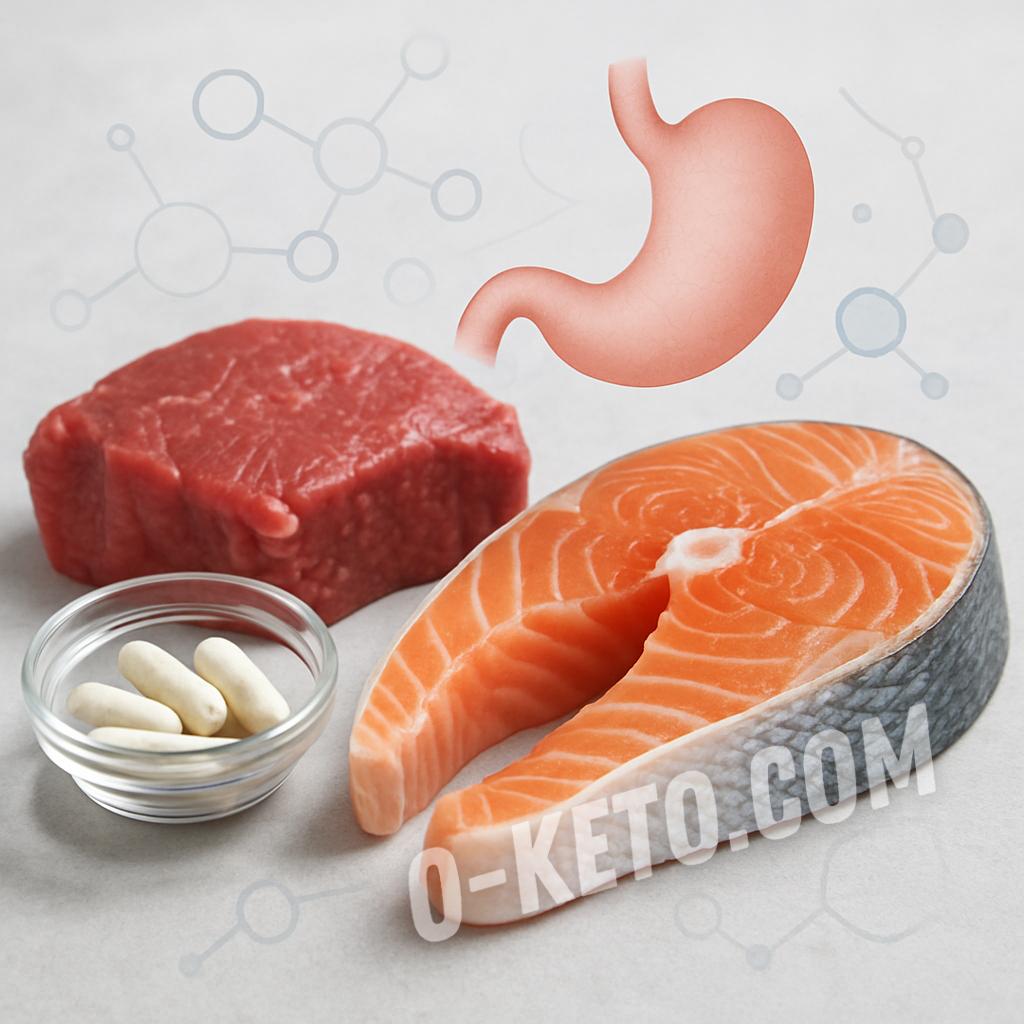
Proteases are enzymes that break down proteins. They cut peptide bonds and turn large protein molecules into shorter peptides and amino acids. Without proteases, the body could not properly use meat, fish, eggs, dairy foods, legumes, nuts, or its own proteins that are constantly renewed in tissues. These enzymes are not limited to digestion. Proteases also participate in immune reactions, blood clotting, wound healing, inflammation, cell renewal, and the breakdown of damaged proteins inside the body.
In nutrition, the focus is usually on digestive proteases. In the stomach, pepsin begins protein digestion and requires an acidic environment. In the small intestine, pancreatic enzymes such as trypsin, chymotrypsin, elastase, and carboxypeptidases continue the process. Some final steps occur on the surface of intestinal cells. Poor protein digestion may therefore involve stomach acid, the pancreas, bile, the intestinal lining, transit speed, medications, inflammation, or several of these factors at once.
How proteases digest protein
Protein has to be unfolded, partly broken down, and converted into forms that can be absorbed. Stomach acid changes protein structure and helps pepsin start the process. The pancreas releases proteases in inactive forms so they do not damage the organ itself. In the intestine they are activated and continue digestion. This staged system protects tissues while making dietary protein available for muscles, enzymes, immunity, skin, mucous membranes, and neurotransmitters.
When protein is poorly tolerated, symptoms may include heaviness after meals, belching, foul-smelling stool, bloating, nausea, a stone-like feeling in the stomach, or unstable stool. These signs do not automatically prove protease deficiency. Similar complaints can occur with reflux, gastritis, low or high stomach acid, SIBO, impaired bile flow, intolerance of specific foods, a sudden increase in protein or fat, anxiety, and overeating.
Low-carb eating and protein load
In keto and LCHF nutrition, protein often becomes a more visible part of the diet. This is helpful when a person obtains enough complete protein from meat, fish, eggs, poultry, seafood, organ meats, or well-tolerated dairy products. Proteases help convert that food into amino acids, but they do not cancel basic digestive common sense: eat a comfortable amount, chew well, avoid overloading one meal, and consider the stomach, bile, and pancreas.
If someone suddenly moves from a high-carbohydrate diet to large portions of meat and fat, digestion may need time to adapt. Sometimes the solution is not an enzyme supplement, but calmer protein distribution across meals, enough salt and water, vegetables as tolerated, less alcohol, and adjustment of meal fat. If there is marked weight loss, oily stool, persistent pain, deficiencies, or suspicion of pancreatic insufficiency, testing and medical evaluation are needed.
Protease supplements
Enzyme products may contain animal pancreatic enzymes, plant proteases such as bromelain and papain, or microbial enzymes. They are sometimes used for heavy protein digestion, after certain surgeries, in confirmed enzyme insufficiency, or as part of digestive support. Over-the-counter digestive enzymes and medical pancreatic enzyme replacement therapy are not the same thing.
Taking proteases just in case can create a false sense of solving the problem. If pain or bloating comes from the gallbladder, stomach inflammation, ulcer disease, SIBO, dairy intolerance, or pancreatic disease, the supplement will not address the cause. Enzymes may also irritate the lining, worsen discomfort in sensitive people, and interact with medications, especially when concentrated proteolytic supplements are taken away from meals.
When evaluation is needed
Medical evaluation is needed for persistent upper abdominal pain, vomiting, unexplained weight loss, oily or shiny stool, blood in stool, anemia, fever, jaundice, sudden worsening of food tolerance, and symptoms after alcohol or very fatty meals. Depending on the case, a clinician may assess blood count, pancreatic markers, liver markers, fecal elastase, ultrasound, gastroscopy, or other tests.
The practical message is simple. Proteases are essential for life and normal protein nutrition, but adding them should not replace understanding the cause of symptoms. For a healthy person, the best support for these enzymes is normal stomach acidity, high-quality protein, avoiding chronic overeating, moderation with alcohol, and attention to warning signs. Supplements make sense only when there is a clear purpose and good tolerance.
If you have any questions about the term "Proteases", you can ask them to AI. Please note, a low-cost OpenAI model is used. It may answer questions about disease treatment with errors!


 1 / 4
1 / 4


 1 / 4
1 / 4 1 / 4
1 / 4

