


Dehydration
Loss of fluids and electrolytes affects far more than thirst alone; it changes blood pressure, pulse, kidney function, temperature control and muscle performance, so dehydration requires cause-based evaluation and severity assessment.




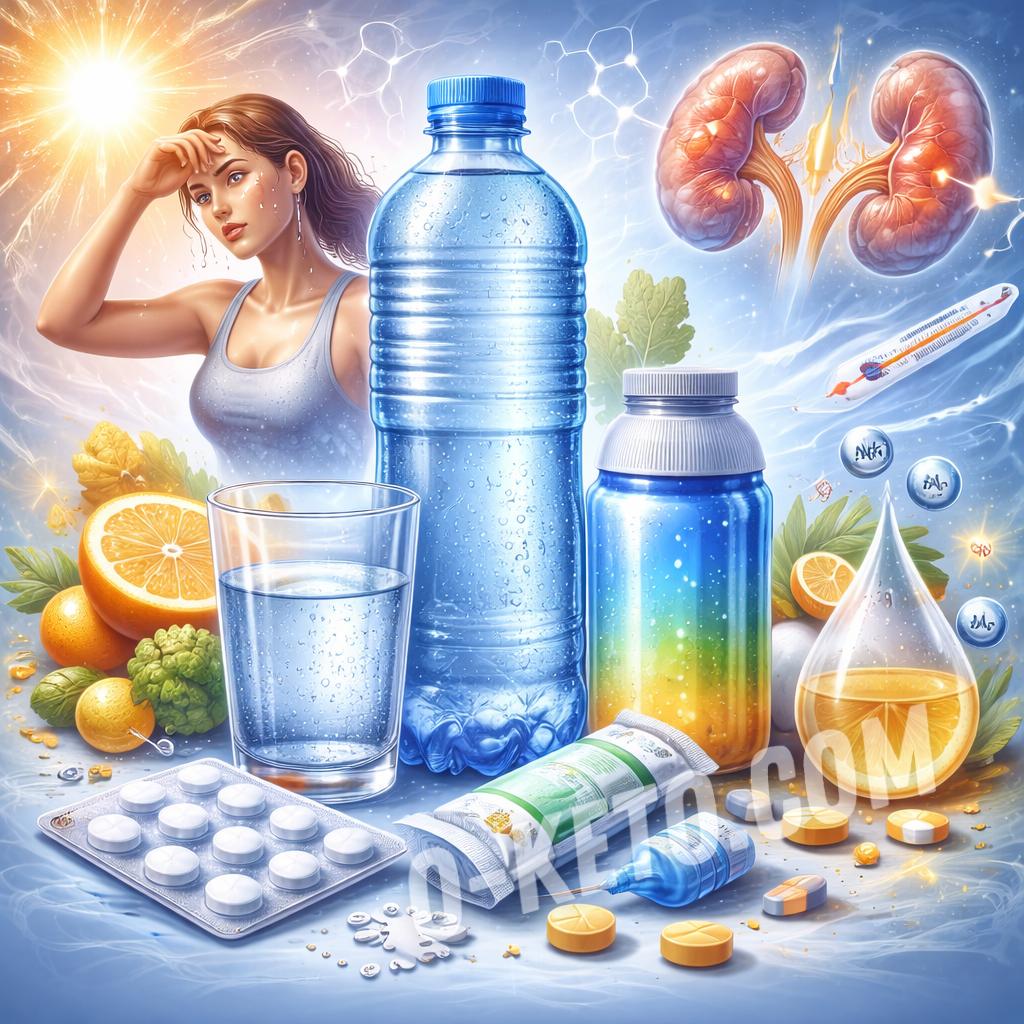
Dehydration is a state in which fluid and electrolyte losses exceed intake. In practical terms, that means much more than thirst. Circulation, nervous-system function, kidney performance, temperature regulation and muscle work all depend on adequate water and electrolyte balance. Because water participates in nearly every biochemical process and electrolytes help maintain blood volume and nerve-muscle signaling, even moderate dehydration can impair well-being, while severe dehydration may become dangerous.
How dehydration presents
Common signs include strong thirst, dry mouth, weakness, dizziness, dark urine, reduced urination, headache, faster heart rate and lower blood pressure. In children and older adults the picture may appear as lethargy, confusion, poor appetite, sleepiness or reduced activity rather than only thirst. As fluid deficit progresses, kidney function, cognitive clarity, heat tolerance and physical endurance can all deteriorate.
That is why dehydration should not be judged only by subjective thirst. People may already be significantly depleted before they fully compensate their losses.
Common causes
Frequent causes include diarrhea, vomiting, fever, heat exposure, intense exercise, low fluid intake, alcohol excess, diuretics, osmotic fluid loss in uncontrolled diabetes and serious infections. In some people dehydration develops from several overlapping factors at once: poor sleep, hot weather, restrictive eating, caffeine, exercise and inadequate electrolytes.
For that reason, the practical response is not merely “drink more water,” but to understand why water is being lost or not replaced. In some cases the main issue is not only volume, but sodium, potassium and other electrolyte losses.
What needs assessment
When dehydration is more than mild, clinicians look beyond symptoms to blood pressure, heart rate, respiratory rate, urine output, temperature, electrolytes, creatinine, urea, glucose and the broader clinical picture. Severe cases require attention to confusion, orthostatic instability, reduced blood volume and impaired kidney function.
This combination of physical signs and laboratory findings helps determine whether oral rehydration is enough or whether more intensive medical care is needed.
Nutrition, salt and low-carb context
During low-carbohydrate or ketogenic eating, risk of dehydration and sodium depletion may be higher early in adaptation because falling insulin levels increase fluid and salt loss. For that reason, water alone may not be enough and electrolyte intake becomes more important. At the same time, dehydration should not automatically be blamed on diet when diarrhea, vomiting, heat, infection or kidney problems are present.
It is usually more practical to think in terms of replacing both fluid and electrolytes according to the cause of losses rather than simply forcing water intake without context.
When urgent care is needed
Urgent medical assessment is needed with marked weakness, confusion, inability to drink, persistent vomiting, bloody diarrhea, very low urine output, fainting, high fever, major tachycardia or suspected severe electrolyte imbalance. In children, older adults and people with chronic illness, dehydration can progress faster and with greater risk.
The most useful approach is to see dehydration as a combined water-and-electrolyte problem rather than only a shortage of drinking. That makes support more accurate and safer.
Common mistakes in real life
A common mistake in dehydration is judging severity only by dry mouth or by how much water someone has tried to drink. In reality, the person may keep worsening because of ongoing fluid loss, sodium depletion, vomiting, diarrhea or fever even while drinking actively. Another mistake is replacing only water when electrolyte losses are substantial, which may fail to correct weakness, dizziness and muscle symptoms.
That is why a practical approach should include the cause of losses, urine output, tolerance of oral intake, symptoms of orthostatic weakness and laboratory review when needed. This matters especially in children, older adults, athletes and people with chronic disease.
The sooner both the cause of losses and electrolyte depletion are corrected, the lower the risk of kidney and cardiovascular complications.
If you have any questions about the term "Dehydration", you can ask them to AI. Please note, a low-cost OpenAI model is used. It may answer questions about disease treatment with errors!


 1 / 4
1 / 4 1 / 4
1 / 4 1 / 4
1 / 4


 1 / 4
1 / 4