


Bronchial asthma
A chronic inflammatory airway disease with episodes of wheeze, cough, and breathlessness; diet may improve background risks but does not replace inhaled treatment or an action plan.




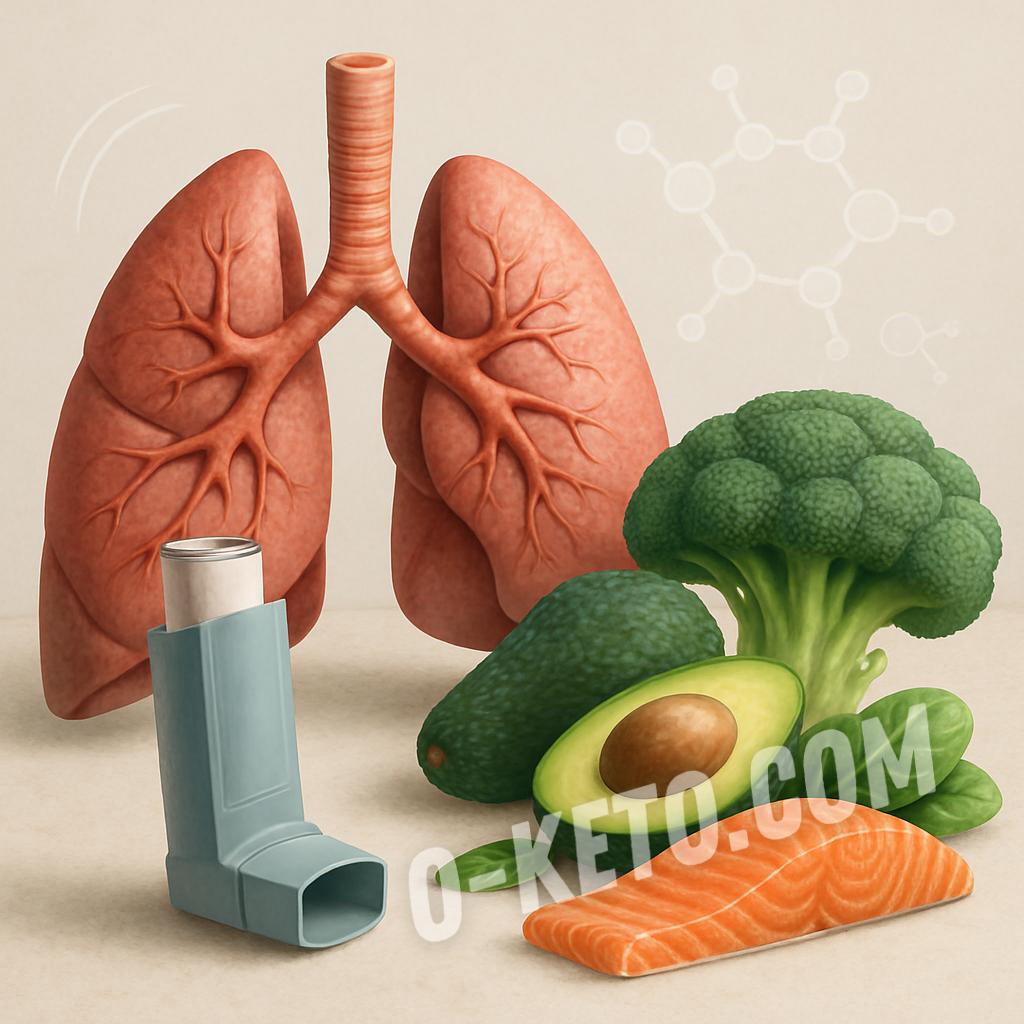
Bronchial asthma is a chronic disease of the airways in which the bronchi become inflamed and overly responsive to triggers. Their lumen can narrow quickly: smooth muscle contracts, the mucosa swells, and mucus production increases. A person may feel wheezing, cough, chest tightness, shortness of breath, night waking, or worsening after exercise, cold air, dust, infection, animals, mold, smoke, and strong odors. Asthma is not ordinary bronchitis and not simply weak lungs. It is a condition with variable airway obstruction that needs confirmation and a clear control plan.
What happens in the bronchi
In asthma, the bronchi react too strongly to stimuli that would cause little discomfort in someone else. Inflammation is driven by immune cells, allergy mediators, air irritants, and sometimes viral infections. Some people have mainly allergic asthma, others have non-allergic hyperresponsiveness, exercise-induced symptoms, occupational asthma, or a combination with chronic rhinitis and reflux. There is no universal household explanation. Two people may cough at night in the same way, while one needs allergen control and an inhaled corticosteroid and the other needs reflux assessment, inhaler technique correction, and exercise review.
A key principle of modern asthma care is controlling inflammation, not only opening the bronchi during an attack. Short-acting bronchodilators can relieve symptoms, but frequent need for them suggests poor control. Inhaled corticosteroids and combination regimens are prescribed to lower exacerbation risk. Stopping a controller inhaler on one’s own after a few quiet weeks is risky. Inflammation may persist, and a severe attack can develop quickly.
Diagnosis and control
Asthma is assessed through symptoms, history, spirometry, bronchodilator response, peak flow monitoring, sometimes FeNO, allergy testing, and exclusion of other causes of breathlessness. It is important to distinguish asthma from COPD, heart failure, anemia, anxious hyperventilation, postnasal drip, reflux, and post-infectious cough. If the diagnosis was made long ago but symptoms continue, clinicians often check inhaler technique, adherence, home allergens, smoking, body weight, medication interactions, and coexisting rhinitis.
Good control means more than the absence of dramatic attacks. The person should sleep normally, tolerate ordinary activity, rarely need rescue medication, and have a written action plan for worsening symptoms. Such a plan usually explains what to do when symptoms rise, which doses are allowed, when to measure peak flow, and when to seek urgent care. Red flags include severe shortness of breath, inability to speak in full sentences, blue lips, confusion, sharp peak flow drop, lack of response to prescribed reliever treatment, and drowsiness during an attack.
Nutrition and low-carbohydrate eating
A low-carbohydrate diet does not treat asthma instead of medication. Diet can influence factors that worsen control: excess weight, reflux, glucose swings, low protein intake, poor sleep quality, alcohol, ultra-processed foods, and inflammatory load. In some people, weight loss reduces exertional breathlessness and improves breathing mechanics. In reflux, carbohydrates are not the only issue; late large dinners, overeating, alcohol, and individual triggers also matter. If night cough is driven by reflux, inhalers alone may not solve the whole problem.
On keto, hydration and electrolytes deserve attention, especially during illness, heat, and use of beta-agonists that may affect pulse and potassium. Adequate protein is needed for respiratory muscles and immune function. Fish, eggs, meat, poultry, organ meats, greens, low-starch vegetables, nuts, and olive oil provide a more stable base than coffee, cream, and random snacks. If systemic steroids are used during an exacerbation, temporary increases in glucose and appetite are possible; people with diabetes or insulin resistance should discuss this in advance with a clinician.
What not to do
It is dangerous to replace prescribed treatment with breathing practices, vitamins, fasting, essential oils, or strict food exclusions without a proven reason. Breathing exercises may help with anxiety and the sensation of breathlessness, but they do not remove bronchial inflammation. Removing dairy, gluten, or specific additives makes sense only with a clear individual reaction or confirmed intolerance. The practical priorities are knowing triggers, using the inhaler correctly, having an exacerbation plan, and not tolerating worsening symptoms for weeks.
If you have any questions about the term "Bronchial asthma", you can ask them to AI. Please note, a low-cost OpenAI model is used. It may answer questions about disease treatment with errors!


 1 / 4
1 / 4

 1 / 4
1 / 4 1 / 4
1 / 4 1 / 4
1 / 4 1 / 4
1 / 4
