


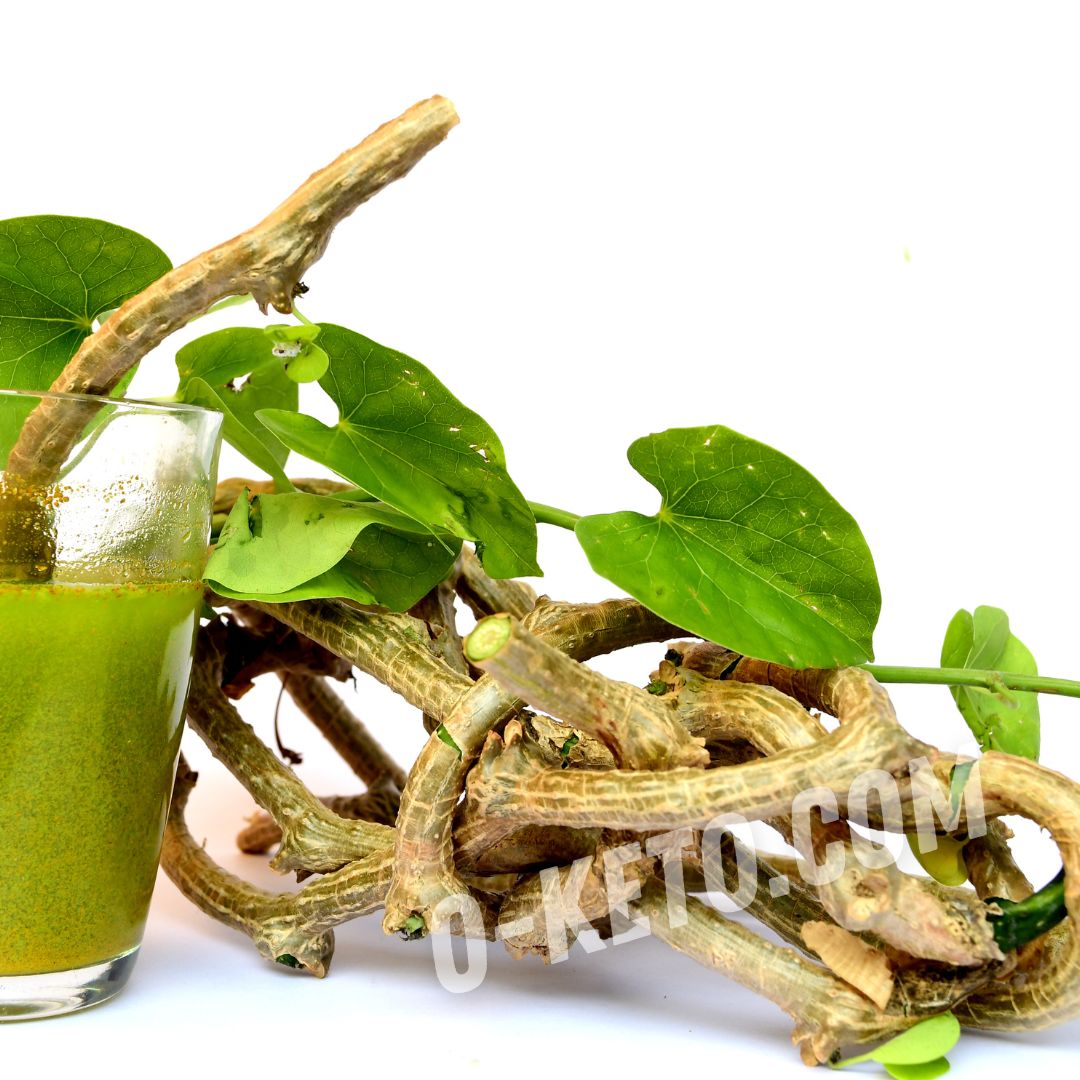

Guduchi, or Tinospora cordifolia, is a tropical vine-like plant known in Ayurvedic tradition. It has heart-shaped leaves, long stems, and small yellowish flowers. In stores, it is usually not sold as fresh greens but as stem powder, capsules, tablets, dried material, tinctures, and extracts. In ordinary cooking, guduchi is rare: the raw material tastes herbal, bitter, and not very culinary.
Older descriptions of guduchi often list claims that are too strong. For choosing a product, more practical details matter: form, botanical name, plant part, extract concentration, added ingredients, serving size on the label, and limitations. It is plant material, not a flavor spice and not an ordinary food.
Available forms
Stem powder is usually mixed with water, unsweetened yogurt, a warm drink, or a sugar-free smoothie. Capsules and tablets are easier if the taste is unpleasant. Extracts and tinctures may be concentrated, so they cannot be compared with powder directly by grams.
Common descriptions mention powder, extract, tincture, and decoction. But there is no strict daily requirement because guduchi is not a nutrient like a vitamin or mineral. Servings differ between brands, so the specific label matters more than a universal scheme.
Is it suitable for keto?
For keto and LCHF, guduchi powder itself is usually not a meaningful carbohydrate source because it is used in a small amount. The surrounding additions matter more. Powders with sugar, honey, fruit blends, maltodextrin, or sweet flavorings do not fit strict carbohydrate control.
If guduchi is added to a drink, better bases are water, unsweetened yogurt, sugar-free kefir, unsweetened plant milk, or a protein shake with a clear ingredient list. Traditional mixing with honey is not suitable for keto.
How to use it
The powder has marked bitterness, so it is rarely made the main flavor. It can be mixed into a small portion of thick unsweetened yogurt, a drink with ginger, lemon, and water, a green smoothie without fruit juice, or a warm herbal infusion. Start with a small portion to assess taste and tolerance.
Capsules, extracts, and tinctures should be used according to the producer’s instructions. It is not a good idea to combine several forms at once, such as drinking a decoction and also taking capsules, unless the total amount has been calculated in advance. Guduchi is usually unnecessary in cooking: it does not give useful texture and easily adds bitterness.
If the powder is still added to food, dishes with an already pronounced flavor work better: a ginger drink, spicy sauce, thick yogurt with cinnamon, or an unsweetened green smoothie. In delicate creamy desserts and clear broths, bitterness will be more noticeable.
How to choose
The label should show Tinospora cordifolia, plant part, product form, serving weight, and full ingredient list. For powder, look for dryness, no moldy smell, even texture, and a valid date. For extract, concentration and added components should be clear.
Blends with many herbs should be judged separately: the response may come from another plant, caffeine, sweetener, or alcohol base rather than guduchi. The shorter the ingredient list, the easier it is to understand what is being used.
For a first trial, it is more reasonable not to buy a large package. A small pack allows checking taste, smell, solubility, and tolerance without storing opened powder for a long time.
Limitations
Guduchi is not a product for careless daily use. Caution is needed during pregnancy, breastfeeding, overactive defense-system conditions, blood sugar issues, planned surgery, medicine use, and pronounced chronic complaints. In such situations, use should be discussed with a professional in advance.
Constipation, stomach discomfort, nausea, bitterness in the mouth, and individual allergic reaction are possible. If rash, swelling, strong weakness, pain, or an unusual reaction appears, stop using the product. Children should not be given such plant extracts without specific guidance.
Extra caution is needed with blends where guduchi is combined with many other plants. In such a jar, it becomes hard to understand what exactly causes a reaction and how much active plant material is present per serving. If the goal is to assess guduchi itself, a single-ingredient product is clearer, without several other new supplements on the same day.
How to store it
Keep powder tightly closed in a dry, dark place, away from steam. Do not scoop it with a wet spoon. Capsules and extracts should stay in their labeled packaging with instructions. Some liquid forms require refrigeration after opening, so check the label.
What can replace it?
If a bitter herbal drink is all that is needed, options include chicory, green tea, ginger, mint, or a sugar-free spice blend. If a plant supplement in a similar format is desired, ashwagandha, shatavari, or maca are sometimes used, but they are different products with their own limitations. In recipes, guduchi can usually simply be omitted.


