


Arthritis
Not a single disease, but a group of conditions in which the inflammatory process affects the joints and the surrounding tissues. For the patient, this manifests as pain, morning stiffness, reduced mobility, and, in some cases, swelling.


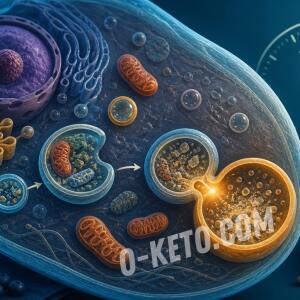


Arthritis is not a single disease, but a group of conditions in which the inflammatory process affects the joints and the surrounding tissues. For the patient, this manifests as pain, morning stiffness, reduced mobility, and, in some cases, swelling. From the perspective of modern nutrition science and metabolic medicine, arthritis is viewed as a systemic condition in which body mass, level of chronic inflammation, hormonal background, and dietary habits play an important role. Diet does not replace treatment but can significantly affect the severity of symptoms and quality of life.
What Happens During Joint Inflammation
Normally, the joint is protected by cartilage and synovial fluid, which ensure smooth gliding of surfaces and cushioning of loads. In arthritis, these mechanisms are disrupted. Depending on the form of the disease, mechanical destruction of cartilage, immune inflammation, or a combination of both processes may prevail.
In osteoarthritis, the main role is played by the wear of cartilage tissue associated with joint overload, age-related changes, and excess body weight. In rheumatoid arthritis and other autoimmune forms, inflammation is sustained by erroneous activation of the immune system, affecting not only the joints but also other organs.
Common consequences include pain, stiffness after rest, reduced range of motion, and a chronic inflammatory background that can be exacerbated under unfavorable metabolic conditions.
Nutrition as a Factor in Inflammation
Nutrition directly affects body mass, insulin sensitivity, and levels of pro-inflammatory mediators.
Excess adipose tissue itself is a source of inflammatory signals, which explains the connection between arthritis, obesity, and metabolic syndrome.
Nutrition strategies for arthritis aim to reduce systemic inflammation, support antioxidant systems, and optimize body mass:
- increasing the proportion of vegetables and berries as sources of fiber and antioxidants;
- regular intake of omega-3 fatty acids from fatty fish and seeds;
- using quality fats that support the integrity of cell membranes (omega-3, monounsaturated, and saturated fats);
- limiting ultra-processed foods and added sugars;
- ensuring adequate intake of vitamins D and K2, magnesium, and zinc;
- maintaining hydration.
It is important to consider individual reactions, as there is no universal diet.
In the presence of comorbidities, nutrition should be tailored considering overall metabolic risk and pharmacotherapy.
Keto Diet and Arthritis
The ketogenic diet is a dietary regimen with a sharp restriction of carbohydrates and predominance of fats, in which the body enters a state of ketosis. This metabolic shift often leads to weight loss and can reduce levels of inflammatory markers.
For some patients with arthritis, the keto approach proves beneficial by reducing stress on the joints and stabilizing metabolism. However, the effect is individual and depends on the form of arthritis, kidney function, uric acid levels, and comorbidities.
In practice, the keto approach for arthritis is often adapted, maintaining a moderate amount of carbohydrates and emphasizing the quality of fats and anti-inflammatory nutrients.
Practical Recommendations and Lifestyle
Effective management of arthritis is impossible without lifestyle modification:
- regular meals without sharp fluctuations in caloric intake;
- moderate physical activity focusing on mobility and strength;
- gradual weight loss if overweight;
- quality sleep and reduction of chronic stress;
- regular assessment of symptom dynamics and well-being.
Even an optimally selected diet will not yield sustainable results without movement and recovery.
In arthritis, nutrition is an important tool for reducing inflammation and controlling body mass, but it does not replace pharmacotherapy. The ketogenic diet may be beneficial for some patients, but it requires individual tailoring and medical supervision.
The best results are achieved through a combination of diet, movement, recovery, and regular monitoring by a specialist.
In practice, arthritis should not be reduced to pain relief alone, and persistent joint pain should not be dismissed as “just age” or weather. Morning stiffness, swelling, restricted motion, symmetry or association with autoimmune background all justify proper rheumatologic evaluation. The earlier the inflammatory mechanism is identified, the better the chance of preventing irreversible joint damage.











If you have any questions about the term "Arthritis", you can ask them to AI. Please note, a low-cost OpenAI model is used. It may answer questions about disease treatment with errors!


 1 / 4
1 / 4 1 / 4
1 / 4
 1 / 4
1 / 4

 1 / 4
1 / 4
 1 / 4
1 / 4