


Celiac disease
Celiac disease is an autoimmune disorder in which gluten triggers damage to the small-intestinal lining, so the relevant picture includes not only bloating or diarrhea, but also anemia, nutrient deficits, skin, bones, cycle, fertility and silent forms of disease.
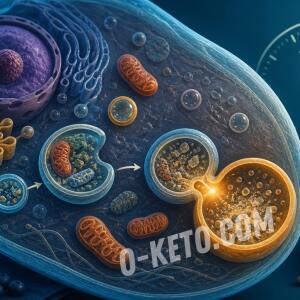

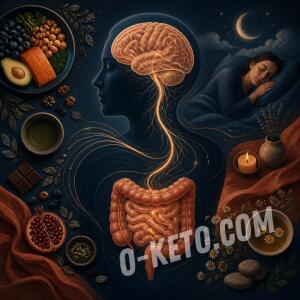


Celiac disease is an autoimmune disorder in which the immune system reacts to gluten and damages the lining of the small intestine. Because of that, nutrient absorption becomes impaired and the symptoms may extend far beyond “a bad stomach after bread.” Some people do have bloating, diarrhea, weight loss and clear GI distress after meals. Others, however, present mainly with anemia, nutrient deficiency, fatigue, rash, low bone density, menstrual disruption, fertility problems or a very muted symptom pattern. That is one reason celiac disease is often missed when people look only for classic digestive complaints.
Why celiac disease is not just bread sensitivity
In celiac disease the issue is not a subjective dislike of flour products, but an autoimmune reaction that leads to inflammation and damage of the intestinal villi. That means not only post-meal comfort is affected, but also the ability to absorb iron, folate, fat-soluble vitamins, protein and many other nutrients. A person may therefore live for years with fatigue, deficiencies and unstable digestion without realizing that the central problem is chronic immune injury. In that sense celiac disease is far more serious than the fashionable idea of “I simply feel better without gluten.”
A common mistake is to start a gluten-free diet before proper testing, making diagnosis harder and less reliable.
How the disease may appear
Symptoms vary in children and adults. Diarrhea, bloating, pain, weight loss and gas are possible, but so are chronic iron-deficiency anemia, fragile bones, persistent fatigue, depressed mood, dermatitis herpetiformis, mouth ulcers and fertility issues. Some people have very little intestinal discomfort and are diagnosed only because of deficiencies or family risk. That is why the idea that “if there is no major diarrhea, it cannot be celiac disease” is simply wrong.
The clinical picture may be quiet while the effects on the intestinal lining and nutritional status remain very real.
Why deficiencies and other systems matter
Because the small intestine is damaged, celiac disease may lead to iron deficiency, low folate, weight loss, vitamin depletion, lower bone density, weakness and chronic exhaustion. In women it can influence menstrual function and fertility; in children it can affect growth and development. For that reason evaluation should not be limited to the question of whether the stomach hurts. Sometimes the strongest clues are found in blood tests, bone status, skin, energy level and general resilience. This is why celiac disease requires a whole-system view rather than narrow attention to the bowel alone.
If someone keeps treating one deficiency after another without recognizing the root cause, improvement often stays incomplete.
Gluten-free diet and practical difficulty
With confirmed celiac disease, a gluten-free diet is not a lifestyle trend but the foundation of treatment. The challenge is not only removing bread, but eliminating hidden gluten sources, avoiding cross-contamination and still preserving adequate protein, fiber, minerals and calories. On a low-carbohydrate pattern this may look easier because some grain foods are already limited, but the risk of deficiency and false reassurance still remains. A person can eat “almost gluten-free” and still receive enough immune trigger to keep inflammation going.
Precision matters here more than the vague feeling that “I do not eat much flour anyway.”
When closer evaluation is needed
Closer evaluation is needed with chronic anemia, diarrhea, bloating, weight loss, family history of celiac disease, nutrient deficiencies, low bone density, dermatitis herpetiformis, unexplained weakness or fertility problems. In those settings it is better not to self-diagnose by feeling alone and not to begin a strict diet blindly before testing. The most sensible way to view celiac disease is as an autoimmune small-intestinal disorder with systemic consequences in which early recognition, accurate diagnosis and truly strict rather than symbolic gluten avoidance are essential.
If you have any questions about the term "Celiac disease", you can ask them to AI. Please note, a low-cost OpenAI model is used. It may answer questions about disease treatment with errors!


 1 / 4
1 / 4 1 / 4
1 / 4

 1 / 4
1 / 4