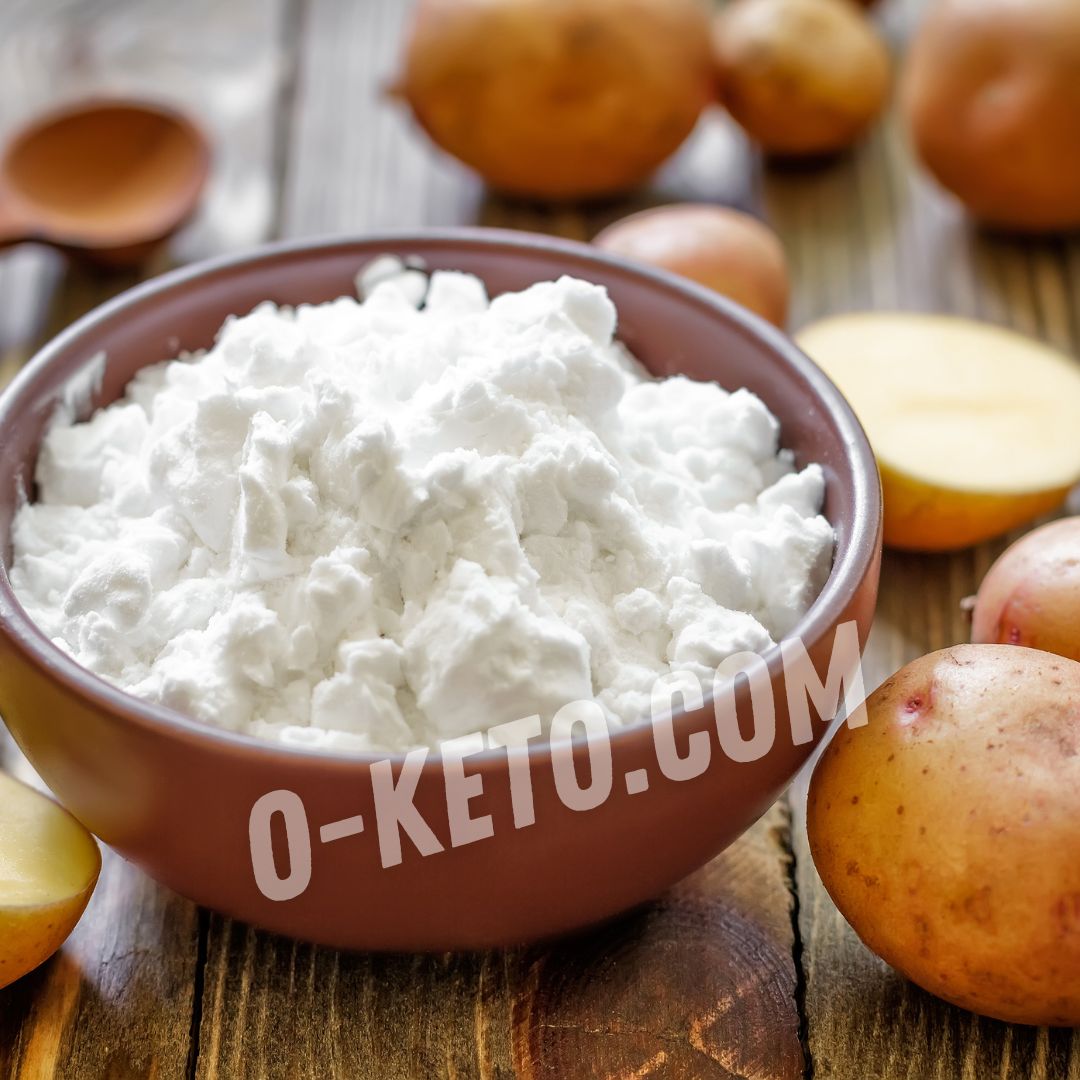

Starch is a complex plant carbohydrate made of long chains of glucose. It is stored in tubers, grains, seeds and legumes as an energy reserve for the plant. In food, starch is found in potatoes, rice, corn, wheat, tapioca, oats, barley, legumes and flour-based products.
In cooking, starch is valued for its technical role: it thickens sauces, makes creams firmer, helps dough hold shape, creates a crisp coating and binds moisture. But for keto it is almost always a problematic ingredient because it quickly raises the carbohydrate share of a dish even from a small spoonful.
Structure and Properties
Starch consists mainly of two components: amylose and amylopectin. Amylose has a more linear structure, while amylopectin is more branched. Their ratio affects how a product thickens, cools, holds shape and changes texture after reheating.
When heated with water, starch swells and gels: this is why a sauce thickens, a fruit filling holds texture and a cream does not run. When cooled, part of the structure can become firmer, but this does not turn potatoes, rice or corn starch into low-carb foods.
Is It Keto-Friendly?
Ordinary starch is not suitable for strict keto. Potato, corn, wheat, rice and tapioca starch are almost entirely carbohydrates. Even if a recipe uses one tablespoon, it should be counted because it can noticeably change the final serving.
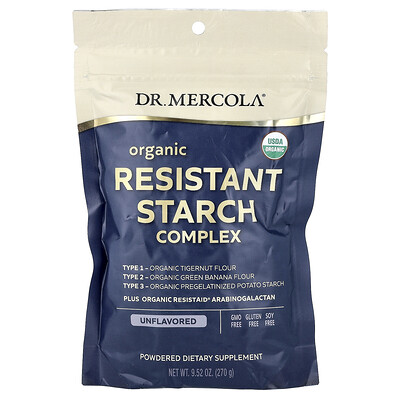
Resistant starch is sometimes discussed. It differs because part of it is not digested in the same way as ordinary starch. But that does not mean cooled potatoes or rice become keto foods. For low-carb eating, it is more practical to treat such dishes as high-carbohydrate and not build a menu around them.
Where It Appears
Starch can be obvious when the label says “starch,” “corn starch,” “potato starch” or “tapioca starch.” But it is often hidden in ready foods: sauces, sausages, yogurts with fillings, baking mixes, breadings, instant soups and desserts.
Modified starch is also worth noticing in ingredient lists. It is technologically treated starch used for stable texture, thickness and moisture retention. For keto, the important point is not the technical term but the fact that it is still a carbohydrate thickener that needs to be counted.
Also watch words such as “thickener,” “filler,” “sauce mix” and “cream mix.” The word “starch” is not always printed in large type, but it may be part of a combined additive. For strict keto, it is better to choose products where the role of each thickener is clear.
How to Use It in Cooking
In ordinary cooking, starch is mixed into cold liquid, stirred smooth and then heated until thick. If it is poured straight into hot sauce, it forms lumps. If some starch-based sauces are overheated or boiled for a long time, the texture may become thin or gluey.
For keto, these methods are better replaced with other techniques:
- reducing sauce gently over low heat;
- adding cheese, cream, cream cheese or egg yolk;
- using cauliflower puree for thickness;
- using ground chia seeds or psyllium in a very small amount;
- making coating from almond flour, coconut flour or grated cheese.
The replacement depends on the task. For a cream sauce, reduction, cheese or egg yolk is often enough. For a cold cream, cream cheese, mascarpone or thick cream is more convenient. In patties and casseroles, binding can come from egg, cheese, psyllium or a small amount of coconut flour. For a crisp surface, grated cheese or nut flour works better than a starchy crust.
How to Choose and Store
If starch is needed for a non-keto recipe, choose the source by task. Potato starch often gives clear thickness, corn starch gives a familiar sauce texture, tapioca gives elasticity and rice starch gives tenderness in some mixes. For a low-carb dish, first ask whether it can be omitted.
Store starch dry, tightly closed and away from strong smells. Moisture causes lumps and spoilage. If the powder smells musty, changes color or shows traces of insects, it should not be used.
Common Mistakes
The first mistake is treating “a little starch” as irrelevant. In a small serving of sauce, it can matter, especially if the dish is eaten often. The second mistake is thinking that cooling potatoes or rice fully solves the carbohydrate issue. Texture changes, but the food remains starchy.
The third mistake is choosing ready “keto” mixes without reading the ingredients. They may contain starch, rice flour, tapioca or maltodextrin. For a strict plan, check every mix and understand the technical role starch played: thickening, crispness, binding or volume. Then it is easier to choose a low-carb replacement.
Another mistake is looking only at the amount of starch in a recipe without counting the final serving. One spoon spread through a large pot of sauce has one impact; the same spoon in one dessert portion or a small bowl of gravy has another. For keto, the ingredient matters, but so does how much of the finished dish is actually eaten.

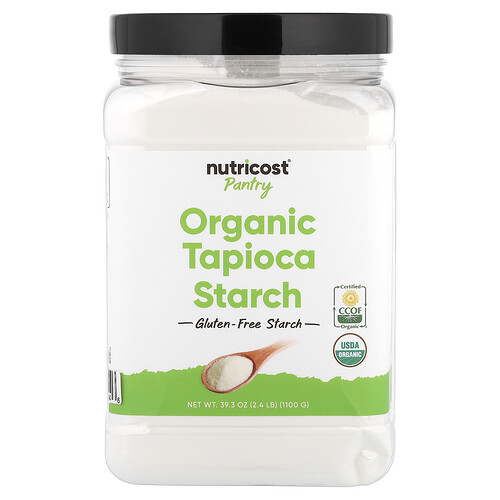
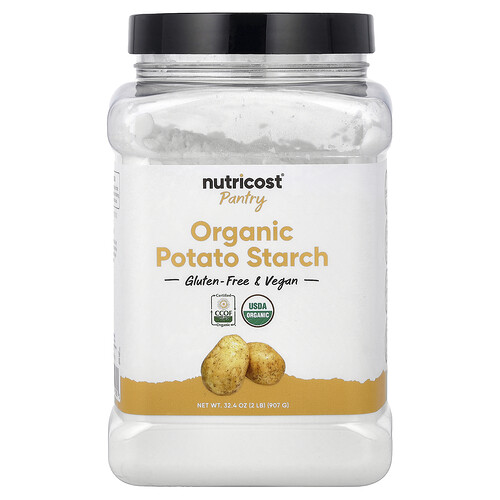
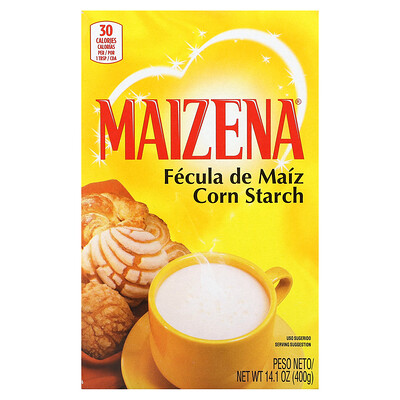
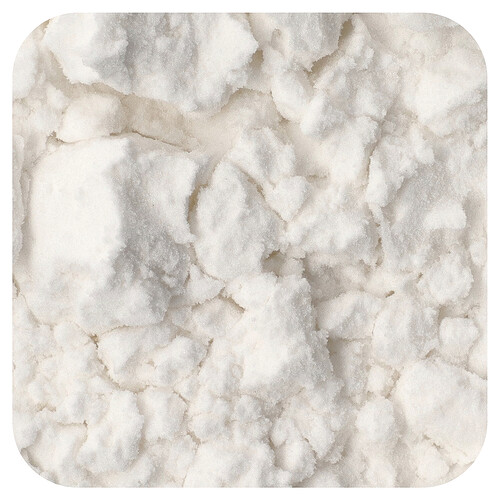
Substitution options in recipes
Arrowroot starch. In a one-to-one ratio. Arrowroot is gluten-free, forms a clear gel, and works at slightly lower temperatures (≈70 °C). In sauces, remove the pot from the heat immediately after thickening, otherwise the starch will thin out.