


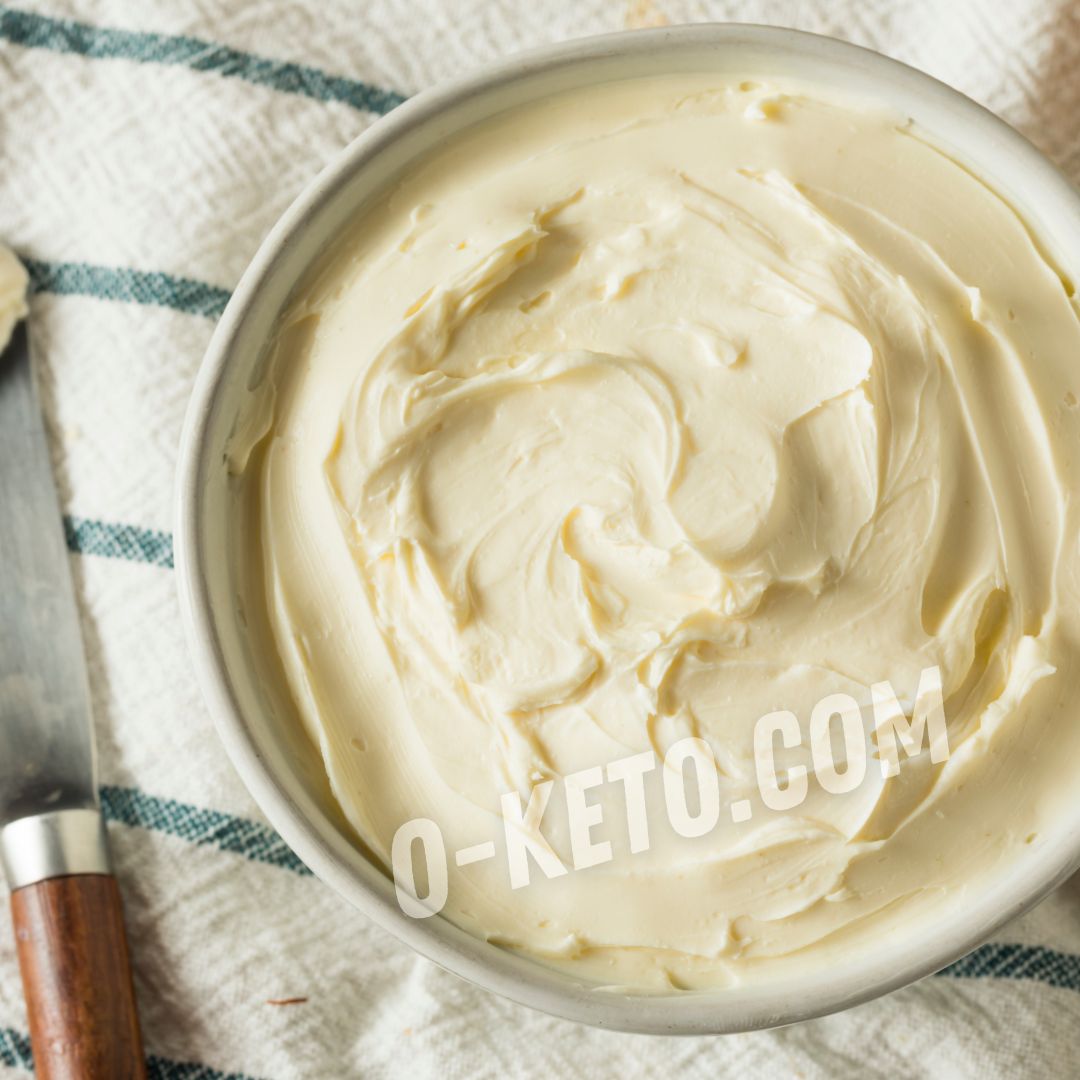

Cream cheese is a soft fresh cheese with a smooth texture, light tang and mildly salty dairy flavor. It is used in sauces, creams, appetizers, casseroles, rice-free rolls, keto desserts and as a spread on low-carb bases. Unlike hard cheeses, it contains more moisture and has a milder flavor.
For keto, cream cheese can be convenient, but the ingredient list matters. Natural cream cheese is low in carbohydrates, high in fat and modest in protein. Dessert, sweetened and “light” versions may contain sugar, starch, syrups or less fat with a similar amount of lactose.
Nutrition
Per 100 g, cream cheese often contains about 300-350 kcal, roughly 30-34 g of fat, 6-8 g of protein and 2-6 g of carbohydrates. The range depends on brand, fat content and additions. Natural cream cheese usually has a low glycemic load, but label carbohydrates still need to be counted.
It contains dairy fat, calcium, vitamin A and other dairy components. It is not a treatment for bones or vision, but a fatty creamy ingredient. Its keto value is texture, satiety and the ability to replace sweet creams or flour-based thickeners.
Is Cream Cheese Keto-Friendly?
Yes, if it is plain and free from sugar and starch. It helps make fatty sauces, sugar-free desserts, fish fillings, ham rolls, casseroles and creams. A typical portion is 20-50 g depending on the dish and daily calories.
Be careful with low-fat versions. They may look lighter, but for keto they are often less useful: less fat, weaker satiety and carbohydrates that may not be lower. The nutrition table matters more than the front label.
How to Use It
Cream cheese mixes easily with herbs, garlic, lemon, spices, cocoa, sweetener, cream and fish. It thickens without flour, but can split under strong heat, so add it to hot sauces over moderate heat.
Practical options include:
- herb sauce for fish or chicken;
- spread for cucumber, lettuce leaves or keto bread;
- dessert cream with cocoa and no sugar;
- filling for salmon or ham rolls;
- thickening cream soup without flour or starch.
How to Choose
A good ingredient list is short: milk or cream, starter culture, salt and sometimes a stabilizer. Sugar, fruit fillings, starch and dessert flavors are reasons to recalculate or choose another product. Even herb versions need checking because sweet additions appear surprisingly often.
For dessert, choose neutral cream cheese with little salt. For appetizers, a denser and saltier version works well. Store an opened package in the refrigerator and use it quickly because soft cheeses absorb odors easily.
Limits and Substitutes
Cream cheese contains dairy proteins and some lactose, so it may not suit dairy intolerance. It is also easy to overeat because the soft texture and high fat content make the portion feel smaller than it is. Set aside the needed amount in advance.
Substitutes include mascarpone, farmer-style cream cheese, thick sour cream, Greek yogurt, ricotta or unsweetened coconut cream depending on the recipe. For sauce, sour cream with grated cheese often works; for dessert, mascarpone or cream is closer.
Portion and Cooking Details
Cream cheese is useful when a dish needs thickness without flour. But it changes not only texture, also saltiness, acidity and fat level. In desserts, add sweetener, cocoa and vanilla gradually; in sauces, taste before adding extra salt.
For hot dishes, soften cream cheese first and whisk it in a little at a time. This reduces lumps and separation. In cold appetizers, the flavor improves after a short rest in the refrigerator because herbs, garlic, lemon zest and spices spread through the whole mixture.
In fillings, cream cheese works as a binder for fish, herbs, egg, avocado or finely chopped vegetables. If the filling is too dense, soften it with a spoon of cream or sour cream. If it is too loose, add grated cheese, herbs or a small amount of ground seeds.
Storage After Opening
Opened cream cheese is better kept away from the refrigerator door, where temperature changes more often and soft cheese absorbs odors faster. Move the remainder with a clean spoon into a tightly closed container, or close the factory package well without leaving crumbs or traces of other foods on the surface.
Freezing is possible only with the understanding that the texture will become grainier after thawing. This is often poor for cream or spread, but may be acceptable for a casserole, sauce or filling. If there is a sharp sour smell, mold or suspicious separated liquid, do not use the product.


