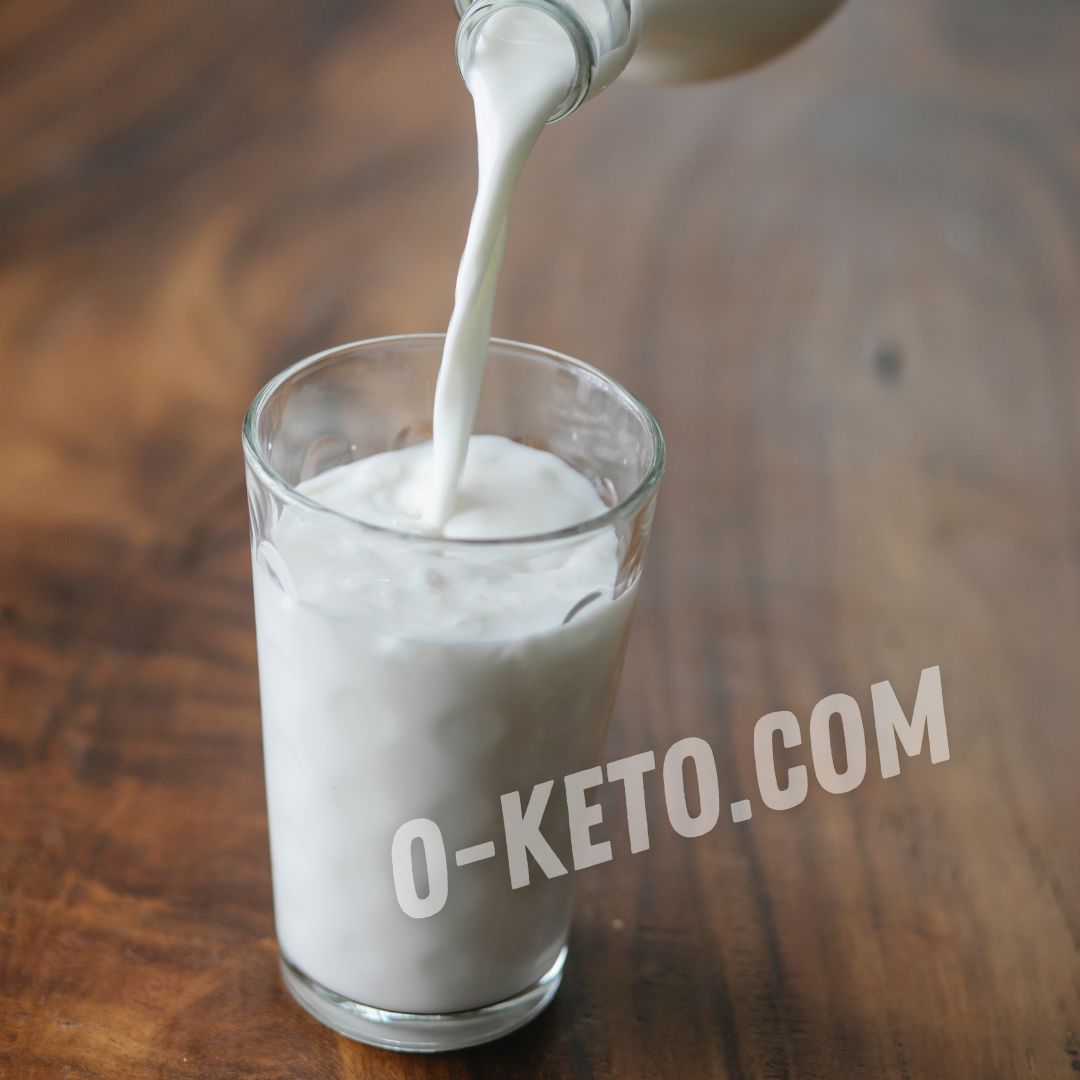

Milk is a liquid dairy product that contains protein, milk fat, and lactose. It is drunk on its own, added to coffee and tea, and used in porridges, sauces, dough, desserts, and soups. In a regular diet it may look like a simple staple, but in keto and LCHF it needs closer attention: its carbohydrates do not come from added sugar, but from natural milk sugar, lactose.
Lactose is the reason milk is less convenient for strict keto than cream, cheese, butter, or unsweetened cottage cheese. Milk is also not one single thing: whole, skimmed, lactose-free, UHT, goat milk, and plant-based drinks all have different compositions and behave differently in recipes.
Nutritional value
Per 100 g, whole cow’s milk usually contains about 60-65 kcal, around 3 g of protein, 3-3.5 g of fat, and about 4.7-5 g of carbohydrates. A 240 ml glass provides roughly 12-13 g of carbohydrates. For someone without a strict limit that may not seem high, but in a menu built around 20-30 g of net carbohydrates per day, one glass can take a large share of the daily budget.
Milk contains complete dairy proteins, calcium, phosphorus, potassium, riboflavin, vitamin B12, and in some countries added vitamin D. These nutrients matter, but on keto they are often easier to get from foods with less lactose: cheese, unsweetened Greek yogurt, cottage cheese, cream, and fish with soft bones when it is part of the menu.
Place in keto and LCHF
On strict keto, milk is usually limited or used only in a very small amount. The main reason is not fat content but lactose. Even whole milk remains carbohydrate-containing by keto standards, and skimmed milk is often less convenient: it has less fat, while the carbohydrate amount per glass is almost the same.
If you want a milky taste in coffee, sauce, or an omelet, measure the amount by spoon rather than pouring freely. Sometimes 20-40 ml of milk in a recipe fits the daily plan, but a full glass as a drink needs separate accounting. In a more flexible LCHF approach, a portion may fit if it stays within your total limit and does not make hunger return quickly.
Lactose-free and plant-based milk
Lactose-free milk does not mean low-carb milk. The lactose has been split into simpler sugars, which is why the taste often seems sweeter, but the total carbohydrate amount is usually close to regular milk. For keto it is not an automatic substitute; it still needs to be counted from the label.
Plant-based drinks vary widely. Unsweetened almond, coconut, or soy milk may be low in carbohydrates, while versions with sugar, syrup, rice, or oats are often unsuitable for strict keto. Check the carbohydrate line and ingredient list, not only the name on the front of the carton.
How to use
In low-carb cooking, milk is better used as a flavor addition rather than the main drink. A small amount can go into an omelet, sauce, coffee, unsweetened cocoa, or blended soup if it is counted in advance. For a creamy taste, cream, cream cheese, sour cream, or butter usually work better in recipes.
In sugar-free baking, milk adds liquid, softness, and a dairy note, but it is not always necessary. It can often be replaced with water, cream, unsweetened almond drink, or a mixture of water and butter. In sauces, milk is harder to thicken without flour or starch, so keto sauces usually work better with cream or cheese.
How to choose
Look at carbohydrates per 100 ml, fat content, ingredients, and additives. Plain milk should have a simple ingredient list: milk, sometimes vitamins. Sweet flavored milks, milkshakes, condensed products, and cocoa drinks almost always contain more sugar and do not fit strict low-carb menus.
Whole milk tastes rounder and is more satisfying than skimmed milk, but the carbohydrate amount is similar. UHT milk is convenient for storage, pasteurized milk often tastes fresher, and farm milk requires especially careful handling and reliable refrigeration.
Limits and storage
People with lactose intolerance may notice bloating, gas, rumbling, or discomfort after regular milk. In that case, reduce the portion, choose fermented dairy with less lactose, or use lactose-free options if they fit your carbohydrate limit.
Store milk in the refrigerator and follow the time limit after opening. Do not leave an opened bottle on the counter for long, and avoid drinking directly from the carton if it will be stored further. Sour smell, flakes, fizzing, or bitterness are signs that the product should not be used.
Substitutes
For coffee and sauces, cream, butter, cream cheese, or unsweetened coconut cream are often better choices. For drinks, choose unsweetened almond, coconut, or soy milk with low carbohydrates. For calcium and protein, milk’s role can often be covered by cheese, cottage cheese, unsweetened Greek yogurt, fish with soft bones, and other foods that fit your daily limit.