


Proteins
The main structural macronutrient: amino acids form muscle, enzymes, immune proteins, transporters and many signaling molecules. In low-carb eating, protein should be regular and sufficient, but assessed by quality, tolerance, body size, activity and kidney, liver and digestive context.

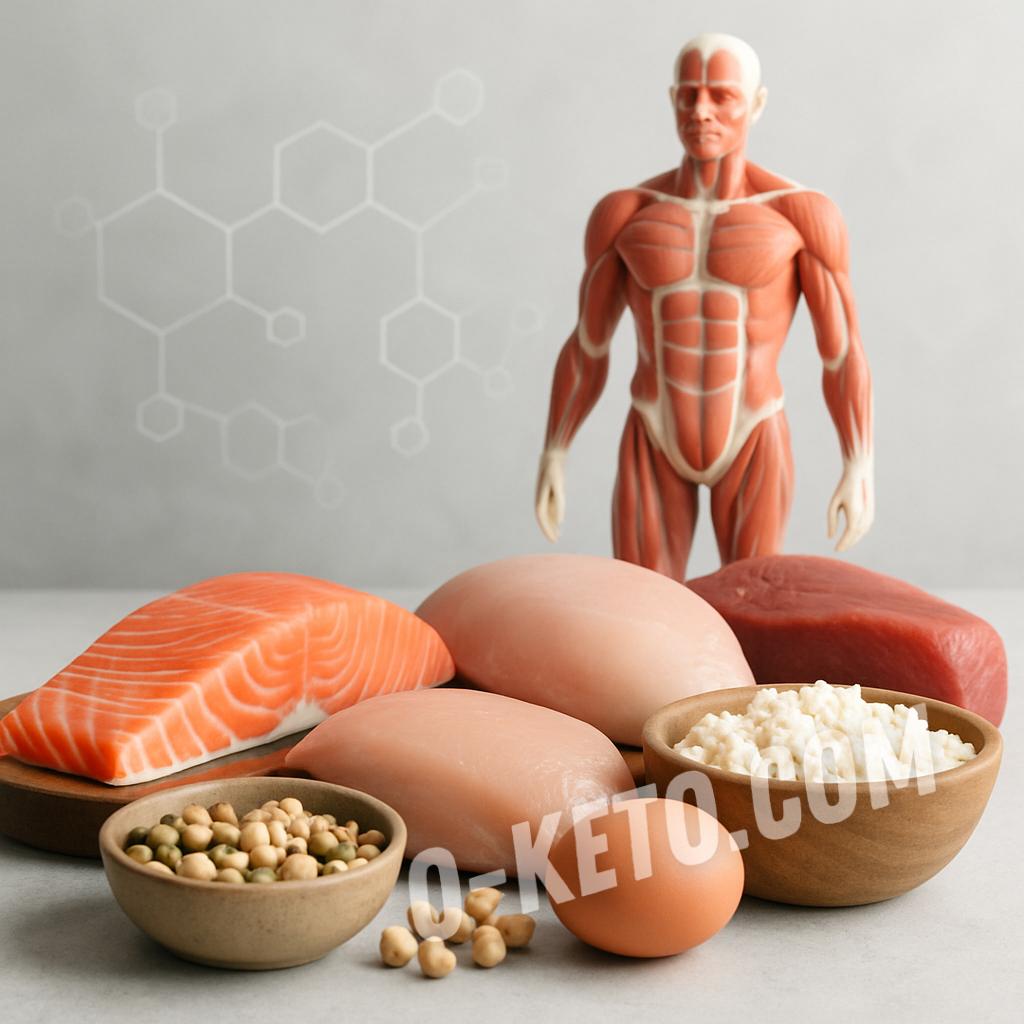
Proteins are large molecules built from amino acids. In nutrition, protein does not mean only meat or eggs; it means the amino-acid supply the body receives from food and uses to build its own tissues. Muscles, enzymes, antibodies, blood transporters, receptors, some hormones, connective tissue and many repair systems depend on proteins. For that reason, protein should not be judged only as calories. It is the material the body needs to renew, defend, move and recover.
On keto and LCHF, protein has a special place. Carbohydrates are limited and fat becomes the main energy source, but protein should not become a random side element of fatty food. If someone eats a lot of butter, cream and cheese but little fish, meat, eggs, poultry, seafood or cottage cheese, the diet may be low in carbohydrates while still being poor in building material. This mistake becomes especially visible during weight loss, recovery from illness, training, age-related muscle loss and poor healing.
What protein does
Amino acids from dietary protein are used to synthesize the body’s own proteins. Some amino acids are essential: humans cannot make them in sufficient amounts and must obtain them from food. Leucine is often discussed because it is linked with the start of muscle protein synthesis, but one amino acid does not replace complete protein. Repairing muscle, enzymes and immune proteins requires the full set of essential amino acids, along with enough energy, sleep and micronutrients.
Protein also affects satiety. A complete protein meal usually reduces snack cravings better than fat without protein. This matters in low-carb eating: sometimes a person thinks they need more fat, while the real problem is insufficient protein and weak satiety. Protein should not, however, be turned into endless bars and powders. Whole-food sources provide iron, zinc, selenium, iodine, choline, B vitamins and other nutrients together with amino acids.
How much is needed in practice
The official minimum for adults is often stated as about 0.8 g of protein per kilogram of body weight per day, but this is a lower reference point for preventing deficiency, not an optimum for everyone. In practice, many adults do better starting around 1.2 g/kg. During weight loss, aging, recovery and strength training, 1.6 g/kg and above are often discussed. With heavy physical activity, needs can exceed 2 g/kg, but those numbers have to be matched with goals, tolerance and health status.
Calculations by body weight should not become mechanical. In severe obesity, target weight or lean mass is sometimes used because calculating from actual weight may produce an unrealistic number. Pregnancy, lactation, older age, burns, surgery and illness change requirements. In chronic kidney disease, severe liver disease and some inherited protein-metabolism disorders, increasing protein without supervision can be unsafe, and the target should be set by a clinician.
Quality of sources
Protein completeness is not determined only by whether a food comes from an animal or a plant. Assessment considers whether all essential amino acids are supplied in adequate amounts and how well they are digested and absorbed. Soy protein is a complete plant protein; for other plant foods, quality depends on the amino-acid profile of the particular food, portion size and combination with other sources. Animal foods are often denser and more convenient protein sources, but the statement that complete protein exists only in animal foods is too narrow.
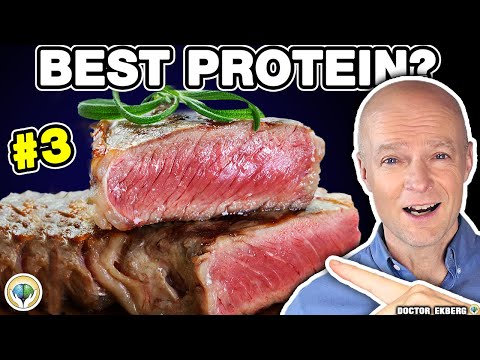
The densest sources of complete protein are meat, fish, eggs, poultry, seafood, organ meats and well-tolerated dairy products. They provide all essential amino acids in a convenient form. Plant sources can be useful, but they are harder to use as the main protein base in strict low-carb eating: legumes bring more carbohydrate, nuts bring more fat than protein, and many plant protein products require careful label review.
Collagen, gelatin, bone broth and aspic are not the same as complete protein. They provide glycine, proline and other connective-tissue amino acids, but are low in some essential amino acids. They can be used as additions for skin, joints, mucous membranes or flavor, but they should not be counted as the main protein target. The same applies to amino-acid supplements: they can be tools, but they do not replace regular food without a specific reason.
Protein and gluconeogenesis
On keto, people sometimes fear that protein will “turn into sugar” and stop ketosis. This is an oversimplification. Gluconeogenesis is a regulated process that helps maintain glucose for tissues that need it. It does not mean every gram of protein automatically becomes sugar. In a healthy person, sufficient protein is usually compatible with ketosis, especially when carbohydrates are low and the diet is not dominated by constant snacking.
Problems usually come from extremes. Too little protein harms recovery, muscle mass and satiety. Very high protein with too little fat and energy may cause heaviness, hunger, ammonia-like odor, digestive symptoms and poor tolerance. A more sustainable middle ground is better: protein in every main meal, fat as the energy source, and vegetables and electrolytes according to tolerance.
When to review protein intake
Low protein intake should be suspected with constant hunger, muscle loss, weakness, poor training recovery, brittle hair and nails, slow healing, frequent snacking and inability to feel satisfied by fatty food. These signs are not specific and may also be related to thyroid function, anemia, low energy intake, stress or gastrointestinal disease. Protein should therefore be assessed together with the diet, blood work and the person’s condition.
If a large serving of meat or fish causes heaviness, the answer is not always lowering protein. It may help to divide protein into two or three meals, choose gentler sources, address bile flow and stomach acidity, check dairy tolerance or use protein powder temporarily for a clear goal. The important point is not to hide the problem under endless fat and coffee if the body lacks amino acids.
Sources
- Proteins — Food and Agriculture Organization of the United Nations;
- Protein quality assessment in follow-up — FAO/WHO/Codex Alimentarius;
- Protein in plants? It’s in there — and here’s why you should try it — American Heart Association.







If you have any questions about the term "Proteins", you can ask them to AI. Please note, a low-cost OpenAI model is used. It may answer questions about disease treatment with errors!


 1 / 4
1 / 4


