


Catabolism
The set of breakdown processes that converts nutrients and stored tissues into energy and metabolic intermediates. Catabolism is not bad by itself; problems arise with chronic underfeeding, inflammation, muscle loss and poor recovery.


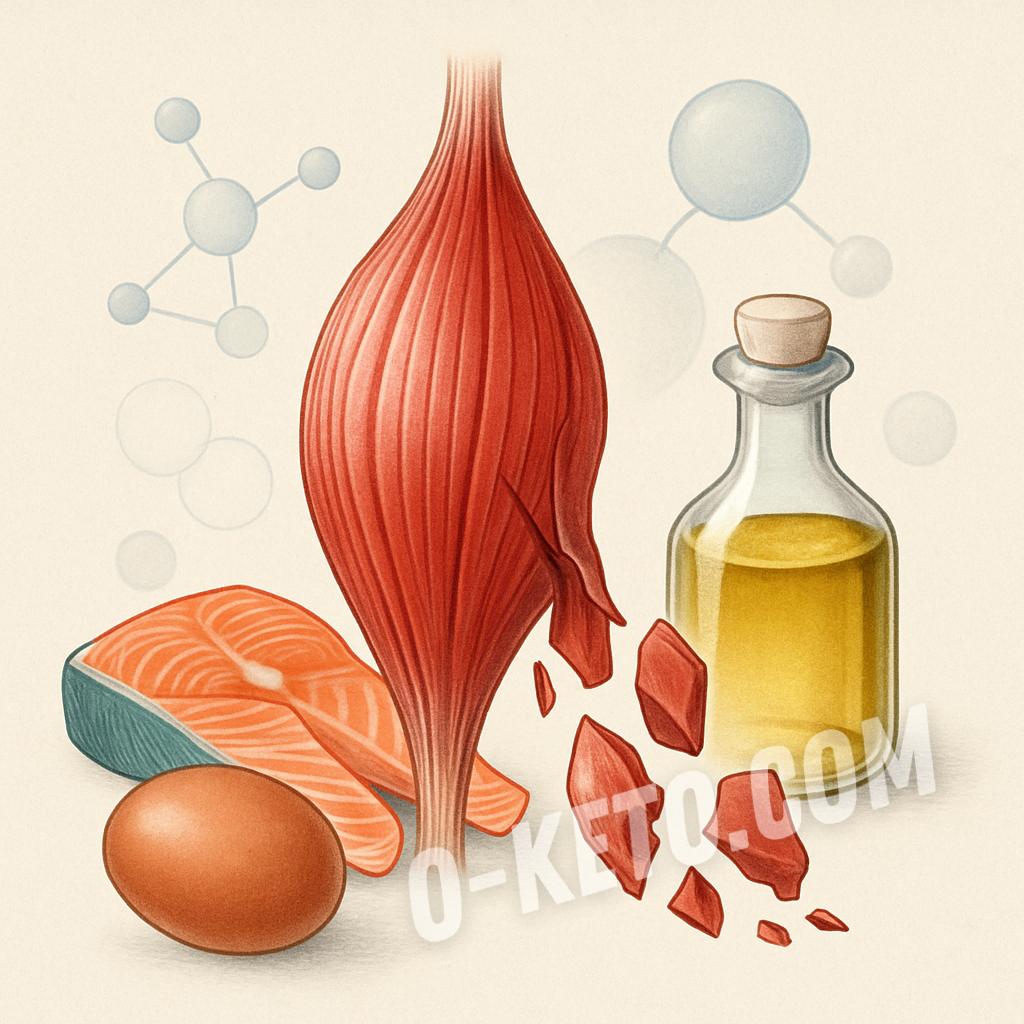
Catabolism is the set of breakdown processes through which the body converts nutrients or stored tissues into energy and metabolic intermediates. Glycogen is broken down into glucose, fats into fatty acids and glycerol, and proteins into amino acids. These processes happen constantly and are not inherently harmful. Without catabolism, a person could not maintain glucose between meals, move, recover from exertion or get through the night without eating.
The problem is not catabolism itself, but a chronic imbalance: too large an energy deficit, loss of muscle mass, inflammation, severe illness, low protein intake, sleep deprivation or excessive training without recovery. In that situation, the body may break down more tissue than it can rebuild. It is therefore important to distinguish normal use of stored fuel from pathological wasting.
Catabolism and anabolism
Catabolism works together with anabolism. Anabolic processes build and repair tissues: muscle, enzymes, immune proteins, hormonal structures and connective tissue. Catabolic processes provide energy and materials. Healthy metabolism is not constant building and not constant breakdown; it is rhythm. After meals and training, building signals matter. Between meals, stored energy is used.
Insulin, glucagon, cortisol, adrenaline, thyroid hormones, sex hormones and inflammatory signals influence this balance. Insulin after meals helps store and build. Glucagon and adrenaline help mobilize energy. Cortisol during acute stress supports fuel availability. Chronic stress and sleep loss, however, can increase protein breakdown and impair recovery.
Nutrition, fasting and keto
On low-carbohydrate nutrition, fat catabolism often becomes more active because insulin falls and the body uses more fatty acids. This can be useful when there is excess fat tissue and insulin resistance. The goal, however, is not to maximize the breakdown of everything. A good LCHF diet should preserve muscle, provide protein, minerals and energy, and not turn the body into a constant stress state.
Fasting also increases the use of stored fuel. Short breaks between meals can be normal and convenient. Long or frequent fasts with low protein intake, heavy training, illness, low body weight or poor sleep can increase the risk of muscle loss, rebound eating and hormonal problems. The stricter the routine, the more important it is to monitor wellbeing, strength, sleep, menstrual cycle, blood pressure and recovery.
Muscle and protein
A common mistake during weight loss is celebrating any drop on the scale without distinguishing fat from muscle and water. If the deficit is too large, protein is low, resistance training is absent and sleep is poor, the body may lose muscle mass. This worsens insulin sensitivity, lowers energy expenditure and makes the result less sustainable. Protecting muscle is therefore central to healthy fat loss.
Complete protein, resistance training, adequate sleep and a reasonable deficit help maintain balance. Older adults, people recovering from illness, those with low body weight and highly active individuals may need more protein and recovery. Collagen, broths and gelatin can complement the diet, but they do not replace complete sources of essential amino acids.
When catabolism is concerning
Warning signs include rapid unexplained weight loss, weakness, falling strength, night sweats, loss of appetite, anemia, prolonged fever, chronic diarrhea, marked muscle wasting and poor recovery. These should not be explained simply as fat burning. They may be related to infection, cancer, hyperthyroidism, inflammatory disease, malabsorption, depression or medication effects.
Catabolism should be interpreted in context. If a person is losing fat, preserving strength, sleeping well, eating enough protein and feeling better, stored fuel use is moving in the right direction. If weight loss comes with loss of muscle, energy, libido, menstrual function and immunity, it is no longer healthy adaptation. The goal of nutrition is not to switch catabolism off, but to restore its proper place in the rhythm of metabolism.
If you have any questions about the term "Catabolism", you can ask them to AI. Please note, a low-cost OpenAI model is used. It may answer questions about disease treatment with errors!

 1 / 4
1 / 4


 1 / 4
1 / 4
 1 / 4
1 / 4
