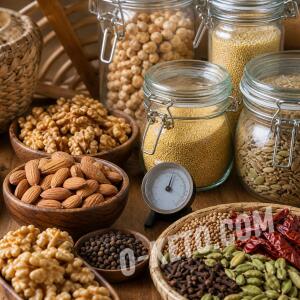


Legumes are often treated as one food group, but beans, chickpeas, green peas, soy and peanuts behave differently in a low-carbohydrate diet. They differ in starch, fiber, protein, usual serving size and tolerance. That is why the question “can legumes be eaten on keto?” cannot be answered with one blanket rule.
The practical criterion for a ketogenic diet is the carbohydrate load of the serving a person actually eats. Some legumes fit only as a rare small addition, while others can be used more often if they fit the individual carbohydrate target and do not trigger overeating.
Why most legumes are difficult to fit into keto
Dry legumes contain substantial starch. Soaking and cooking add water and reduce the concentration per 100 g, but they do not turn legumes into low-carbohydrate foods. A large bowl of bean soup, hummus or chickpea puree can quietly provide a significant share of the daily carbohydrate budget.
Fiber and resistant starch slow digestion and may soften the glucose rise compared with sugar or white flour. Slower carbohydrate absorption does not mean that carbohydrates are absent. Strict keto requires attention to total intake, personal glucose response and the foods served with the portion.
| food | usual low-carb approach |
| dry beans, chickpeas, lentils | often avoided or limited to very small servings |
| green peas | small measured addition |
| soy foods | choose by product: tofu, tempeh, edamame and sweet products differ |
| peanuts | small serving because they are energy-dense and easy to overeat |
This table is a guide, not a substitute for the label and the actual portion. Dry and cooked legumes have different values because of water, while canned foods and prepared spreads may contain sugar, starch or sweet sauces.
Which legumes are most practical for low-carb eating
Soy usually contains more protein and fat than many other legumes, so tofu, tempeh, unsweetened soy milk and edamame can be convenient in a low-carb menu. Dry soybeans still contain carbohydrates, and sweet yogurt, drinks and meat substitutes may contain sugar or starch. Choose the specific product and its ingredient list rather than relying on the word “soy”.
Peanuts are botanically legumes, although they are used like nuts in cooking. They pair well with meat, eggs, vegetables and sauces, but they are very energy-dense. A small serving may fit keto, while repeated snacking on peanuts or peanut butter can increase both calories and carbohydrates.
Beans, chickpeas and lentils provide protein, fiber and minerals, but usually carry a higher carbohydrate load. A small portion may sometimes fit a moderate low-carb plan; strict keto more often uses meat, fish, eggs, mushrooms, zucchini, cauliflower or leafy vegetables instead.
Antinutrients and proper preparation

Dry legumes contain lectins, protease inhibitors, phytates, polyphenols and oligosaccharides. These compounds do not automatically make legumes harmful, but they can affect digestion, mineral availability and bloating. Much of the practical risk comes from raw or undercooked beans and oversized portions.
Soak dry beans and chickpeas, discard the soaking water and cook them in fresh water until completely tender. Kidney beans deserve special care because undercooking does not adequately address lectins. Canned legumes are convenient. Rinsing is optional when you want to remove some brine or a thick sauce; salt itself is not a reason to avoid the product by default, because carbohydrate restriction can increase sodium and water loss. Salt restriction is a separate medical question in hypertension, kidney disease, edema or another clinician-defined condition. Soaking, cooking, sprouting and fermentation can reduce some antinutrients and oligosaccharides, but they do not remove the carbohydrates.
Peanuts: allergy, roasting and storage
Peanuts are among the major food allergens. With confirmed peanut allergy, even trace amounts in sauces, desserts, protein blends or shared production lines can be dangerous. Roasting may increase the IgE binding of some allergens, while boiling changes their solubility and has reduced allergenicity in some studies. This does not make peanuts safe for an allergic person: processing cannot replace avoidance and a medical action plan.
Dry storage, intact kernels and the absence of mold also matter. Damp, damaged or moldy peanuts may contain mycotoxins, so a bitter, musty or moldy product should be discarded rather than “rescued” by roasting. Choose peanut butter without sugar, syrups or unnecessary oils and store it according to the manufacturer’s instructions.
How to test whether a serving fits
Start with a small serving of the cooked food and count it in the daily plan rather than adding it by eye. Notice hunger two or three hours later, bloating, sweet cravings and, if you use a home meter, the post-meal glucose response. People with diabetes, glucose-lowering medication, significant allergy or intestinal disease should discuss major dietary changes with a clinician.
For strict keto, it is usually easier to build the plate around meat, fish, eggs, poultry, cheese and non-starchy vegetables, using legumes as an occasional measured addition when the product and serving fit the goal. A more flexible low-carb plan allows more options, but the same rule remains: count the real serving and account for tolerance.
Antinutrients: safety matters more than prohibition lists
Legume lectins call first for proper cooking, not blanket avoidance. Raw or undercooked kidney beans may contain phytohaemagglutinin, a lectin that can cause nausea, vomiting, and diarrhea. Legumes should be cooked until fully tender; soaking may be part of preparation, but it does not replace adequate heat treatment.
Oxalates, phytates, and goitrogenic compounds also need to be considered in the context of the whole diet. For someone with calcium-oxalate stones, the stone type, fluid intake, sodium, calcium, and specific foods matter more than a general ban on greens or nuts. With adequate iodine intake, ordinary portions of cruciferous vegetables are generally not a reason for exclusion. In keto practice, the useful question is portion and preparation rather than whether a food is simply “clean” or “harmful.”
Sources
- The Effects of Legume Consumption on Markers of Glycaemic Control in Individuals With and Without Diabetes Mellitus: A Systematic Literature Review of Randomised Controlled Trials — Nutrients.
- Associations Between Dietary Pulses Alone or With Other Legumes and Cardiometabolic Disease Outcomes — European Association for the Study of Diabetes.
- Peanut Allergens — Clinical and Experimental Allergy.
- Guidelines for the Diagnosis and Management of Food Allergy — National Institute of Allergy and Infectious Diseases.
- Natural Toxins in Food — U.S. Food and Drug Administration
- Eating, Diet, & Nutrition for Kidney Stones — National Institute of Diabetes and Digestive and Kidney Diseases
- Iodine — Office of Dietary Supplements, National Institutes of Health