








Arginine — is an amino acid that plays an important role in protein synthesis and the formation of nitric oxide — a substance that promotes the dilation of blood vessels and improves blood circulation.
It supports heart health, regulates immune processes, and participates in metabolic reactions.
Despite the body’s ability to partially synthesize arginine, additional intake through food or supplements can be beneficial under conditions of increased stress or deficiency.
Beneficial Properties
Arginine promotes the dilation of blood vessels by increasing the level of nitric oxide, improving blood circulation and lowering blood pressure. This is especially important for supporting the cardiovascular system and enhancing physical endurance.
It also has a positive effect on:
- accelerating wound healing;
- supporting immune function;
- improving erectile function in men;
- reducing stress levels and improving concentration due to better brain blood supply.
Daily Requirement and Sources
The recommended dose of arginine for adults is 2–6 g per day. For athletes and during intense physical activity, an increase to 10 g is allowed, but the total daily dose should not exceed 20 g.
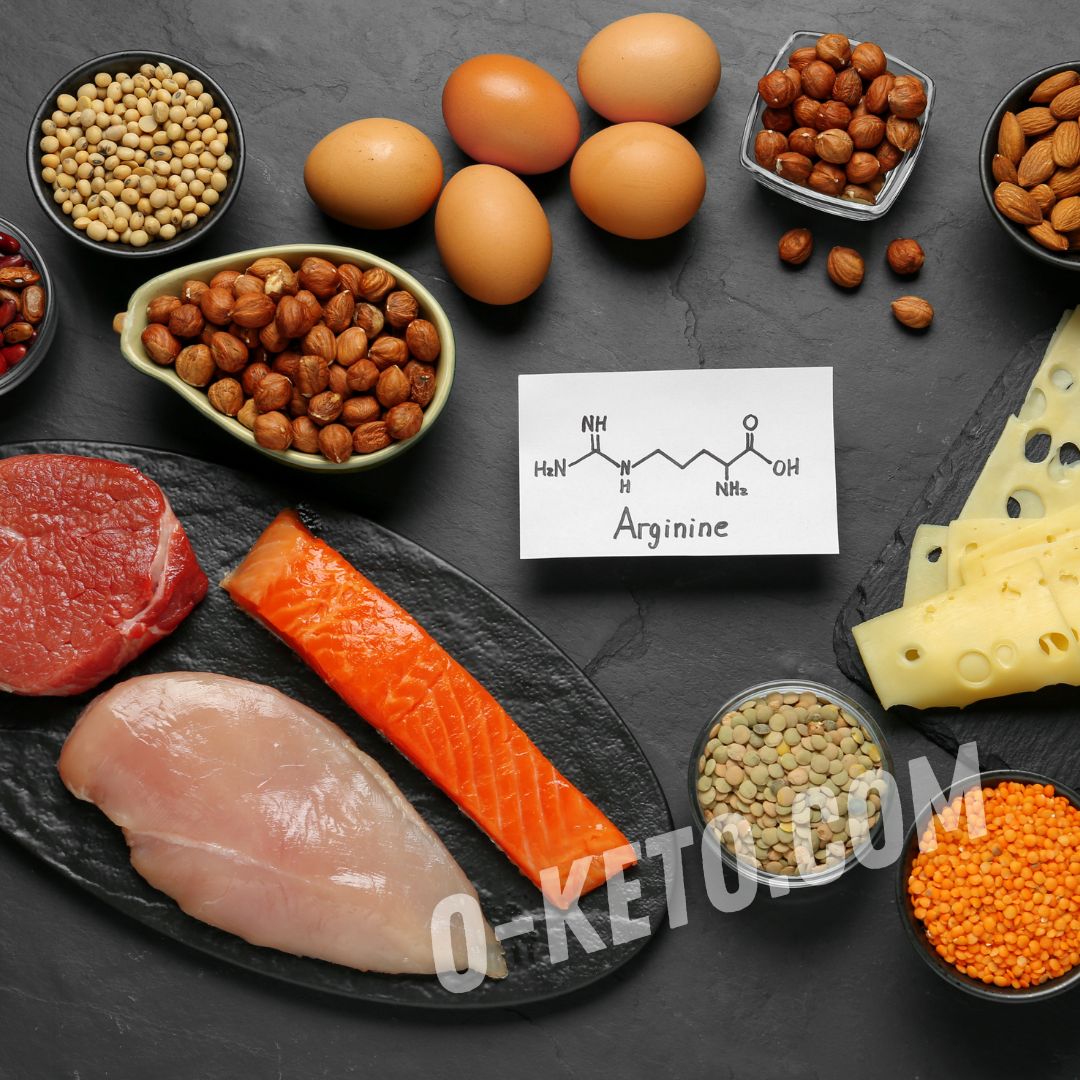
Sources of arginine:
- red meat and poultry;
- eggs;
- nuts, especially walnuts;
- seeds (pumpkin, sunflower);
- seafood and fish.
Possible forms and their absorption
Nutrient forms are listed from best to worst:
Symptoms and Consequences of Deficiency
A deficiency of arginine can cause disturbances in the functioning of the heart and blood vessels, weaken the immune system, and reduce the body’s recovery abilities.
Main manifestations of deficiency:
- fatigue and weakness;
- slow wound healing;
- decreased sexual function;
- increased susceptibility to infections.
Possible Risks of Excess and Their Manifestations
Excessive consumption of arginine, especially in supplement form, can lead to:
- gastrointestinal discomfort (nausea, diarrhea, cramps);
- disruption of blood sugar levels;
- increased fatigue and irritability;
- reduced immune protection with prolonged excess.
Intake of more than 20 g per day is not recommended without medical supervision.
Nitric oxide and vascular tone
Arginine is used to produce nitric oxide, a molecule involved in blood vessel relaxation and blood-flow regulation. This is why it is discussed for blood pressure, erectile function and the athletic “pump”.
The effect depends on vascular health, inflammation, insulin resistance, deficiencies and arginase activity. In some people citrulline works better than arginine because it raises arginine availability more reliably.
Keto, sport and safety
On keto, arginine comes from meat, poultry, fish, eggs, nuts and seeds. With adequate protein intake, deficiency is unlikely, and sports supplements should be judged by actual effect, blood pressure and gut tolerance.
Arginine may be unsuitable with frequent herpes outbreaks, low blood pressure, nitrates, PDE-5 inhibitors and some antihypertensive drugs. After heart attack, in serious cardiovascular disease and during pregnancy, supplements require medical guidance.