


Peanut flour is a powder made from roasted peanuts. Most often it is not simply ground nuts, but a partially defatted product left after pressing peanut oil. This means it usually contains more protein and less fat than peanut butter or whole peanuts, although the exact composition depends on the producer.
The taste is bright, nutty, and slightly roasted. Peanut flour works well in sauces, coatings, keto baking, protein mixtures, sugar-free desserts, and Asian-style dishes. It should not be automatically substituted for almond or coconut flour: it absorbs liquid differently, behaves differently in dough, and gives a distinct peanut aroma.
Nutrition
Common figures for peanut flour are about 50-55 g of protein, 12-15 g of fat, and 10-15 g of carbohydrates per 100 g. This fits partially defatted flour, but different brands vary. Flour made from whole peanuts will contain more fat and less protein per 100 g.
Calories are often around 400 kcal per 100 g, while a real recipe portion is usually smaller: 10-30 g for a sauce, 20-40 g for dough, or a few spoonfuls for coating. Even when the product is relatively low in carbohydrates, they still need to be counted because 100 g may provide around 13 g of carbohydrates or more.
Peanut flour contains fiber, magnesium, folate, vitamin E, and plant proteins. Its main practical value, however, is the combination of protein, nut flavor, and low moisture. It is a dry concentrated ingredient, not a light addition to ignore.
Keto and LCHF use
Peanut flour can fit keto and LCHF when the portion is moderate and the ingredient list contains no sugar, starch, wheat flour, or sweet flavorings. It is especially useful when peanut taste is needed without extra oil: in sauce for chicken, keto cookies, a protein shake, cream, or coating for fish and meat.
For a strict menu, dosing matters. Two tablespoons may be a convenient serving, while a cup of flour in a dessert changes the carbohydrate load of the whole pan. If the recipe also contains nuts, cream, sugar-free chocolate, or sweeteners, it is better to count the full recipe and divide it into servings.
How to use it
In sauces, peanut flour thickens liquid quickly. It can be mixed with warm water, unsweetened coconut milk, soy sauce, lime, garlic, ginger, and chili. This creates a low-carbohydrate peanut sauce for chicken, vegetables, shirataki noodles, or salad.
In dough, peanut flour often needs more moisture than ordinary wheat flour. It is mixed with eggs, cream cheese, butter, almond flour, psyllium, or baking powder. If only peanut flour is used, the result may be dry and dense. It is better to start with recipes where it is part of the dry mixture rather than the whole base.
For coating, the flour can be combined with salt, paprika, garlic, pepper, and a little grated hard cheese. It gives a browned flavor but darkens quickly, so moderate heat is better. In desserts, cocoa, vanilla, cinnamon, erythritol, stevia, and butter pair well with it.
How to choose
The best ingredient list is only peanuts or peanut flour. If the product is sweet, chocolate-flavored, or made for shakes, sugar, maltodextrin, starch, and flavorings should be checked separately. For keto, a neutral flour is easier to use because flavor can be added at home.
Pay attention to fat content. Defatted or partially defatted flour will be drier and richer in protein; flour from whole peanuts will be closer to peanut butter in calories and taste. Neither version is always better: a drier flour is convenient for sauce, while a fattier one may be better for soft cookies.
The smell should be clean and roasted, without mustiness or rancid oil. Peanut products are sensitive to storage, so smaller packages and a clear expiration date are safer choices.
Limits
The main limit is peanut allergy. With such a reaction, peanut flour is completely excluded, including traces in mixes and coatings. For guests, it is better to state clearly when a dish contains peanut, because the flour can be hidden in sauce or dessert.
Peanut is a legume, although in cooking it is often treated like a nut. In some people it can cause heaviness or overeating because of its strong taste. Peanut flour is also calorie-dense: a low carbohydrate count does not make it a food without limits.
Storage and substitutes
The flour should be stored tightly closed, in a dry cool place, away from light and the stove. After opening, it is better used sooner; in heat or during long storage, it can be kept in the refrigerator. Rancid smell, bitterness, or damp clumps are reasons not to use it.
Peanut flour can be replaced with almond flour, sesame flour, coconut flour, ground nuts, or sugar-free powdered peanut butter. The right replacement depends on the task: sauce needs nut flavor and thickening, dough needs structure, and coating needs a dry crumb. Coconut flour absorbs much more liquid, so it cannot be swapped one for one.
Allergenicity and roasting
Peanut flour remains a peanut product and can cause an allergic reaction even when it has been partially defatted. Trace amounts in baking mixes and coatings also matter for people with allergy. Because peanut flour is often made from roasted peanuts, heat treatment should not be treated as a way to remove allergenicity. Check the label for sugar, starch and flavorings, and keep the powder dry. Bitterness, a musty odor or visible mold means it should be discarded.
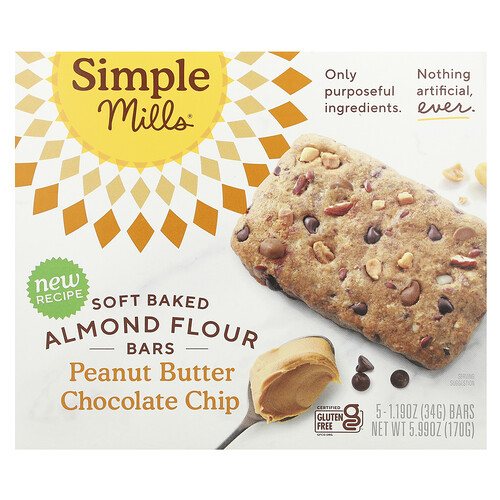
Substitution options in recipes
Almond flour. Plus 1% peanut butter. Almond is similar in protein, but has a higher fat content. A drop of oil brings back the "peanut" aroma, while the moisture of the mixture remains the same; it won't dry out the baking.


