


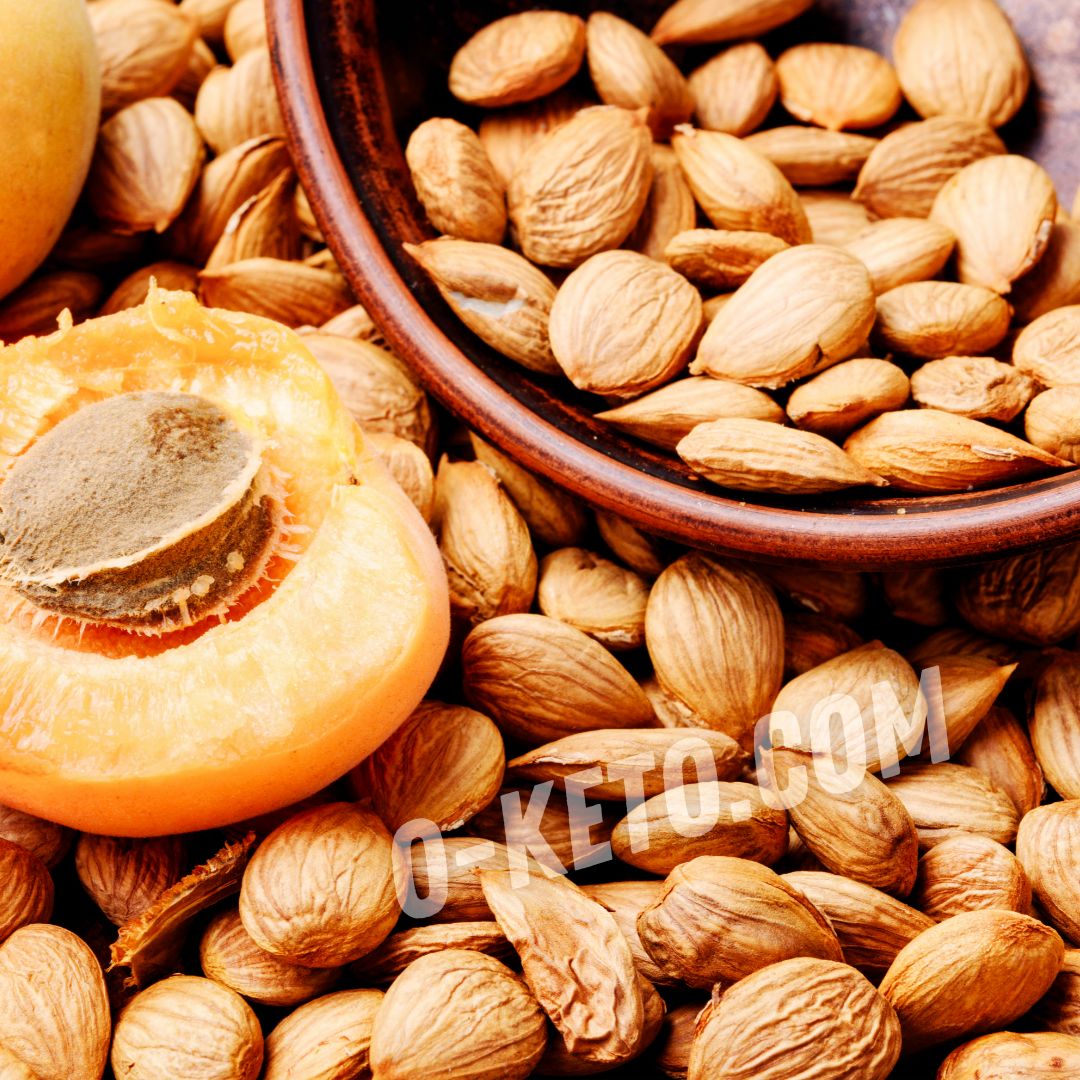

Apricot kernels are the seeds inside the hard pit of an apricot. Their flavor may resemble almond: sweet kernels are milder, while bitter ones are sharper and more pronounced. In cooking, the kernels are used in very small amounts for an almond-like note in liqueurs, jam, baked goods, and some traditional sweets. They are not an ordinary nut for unrestricted snacking.
The main reason for caution is amygdalin. This is a natural cyanogenic compound that can release hydrogen cyanide when broken down. Bitter kernels usually contain more amygdalin, sweet kernels less, but the exact level cannot be judged reliably by taste. Apricot kernels should therefore not be promoted as a wellness supplement and should not be eaten by handfuls.
Older descriptions sometimes call amygdalin “vitamin B17,” but it is not a vitamin. It is not an essential nutrient. Any claims about treatment, prevention, or cleansing should be ignored: for culinary use, the important points are flavor, composition, real kitchen role, and safety.
Nutritional value
In 100 g of kernels there are usually about 400–550 kcal, 15–25 g of fat, 15–25 g of protein, and a noticeable amount of carbohydrates including fiber. Values vary by variety and drying level. But gram-sized portions matter more than values per 100 g here: a normal culinary dose is much smaller than for almonds or hazelnuts.
The kernels contain plant fats, vitamin E, magnesium, potassium, iron, and aromatic compounds with an almond-like profile. The fat profile often includes oleic and linoleic acids. Still, the presence of minerals does not remove the amygdalin concern, especially with bitter kernels.
Is it suitable for keto?
By macronutrients, apricot kernels may look compatible with low-carb eating when used as a tiny accent. But for keto they are not a convenient nut replacement. The issue is not mainly carbohydrates, but safety and unpredictable amygdalin content.
If an almond flavor is needed in a keto dessert, it is easier to use almond flour, almonds, food-grade almond extract, or a little sugar-free amaretto where appropriate. Apricot kernels should not be used as a daily snack, porridge topping, fat base, or protein source.
How they are used
In traditional cooking, kernels are sometimes added to apricot jam, infusions, liqueurs, marzipan-like mixtures, and sweet baked goods. Their flavor is strong, so only a small amount is needed. Heating softens the aroma, but the amygdalin issue does not fully disappear, especially when bitter kernels are used generously.
For home cooking, the most sensible approach is to treat them as a flavoring, not as a food to eat on its own. Do not mix bitter kernels into nut mixes, give them to children, use them in large portions, or store them unlabeled next to almonds.
How to choose
Buy only food-grade kernels with clear origin, date, and indication of whether they are sweet or bitter. Avoid material with mold, rancid smell, insect traces, dampness, or strange harsh bitterness. Shelled kernels spoil faster because their fat is exposed to air.
If a product is sold as a supplement with loud promises, that is a poor sign. For food, freshness, cleanliness, and culinary purpose matter. Bitter kernels require especially strict limitation, and for children, pregnant women, and people with higher risks, other ingredients are a better choice.
Limitations
Apricot kernels can be dangerous when overused. Cyanide poisoning, nausea, weakness, headache, and more serious reactions are possible. Bitter kernels, children’s portions, and recipes where the amount is hard to estimate need special caution. If there is any doubt, skipping them is safer.
How to store them
Keep kernels in a dry dark place, tightly closed, away from heat. For longer storage, the refrigerator or freezer is better, especially when the kernels are shelled. Rancid, musty, or moldy smell is a reason to discard the product. Do not keep them in an unlabeled jar next to ordinary nuts.
What can replace them?
For almond-like flavor, use almonds, almond flour, a small amount of apricot liqueur, food-grade almond extract, or sweet almond kernels. For keto baking, almond flour, hazelnuts, macadamias, pecans, or coconut flour are usually easier. The replacement depends on the job: aroma, fat, crunch, and dough structure are different roles.


