


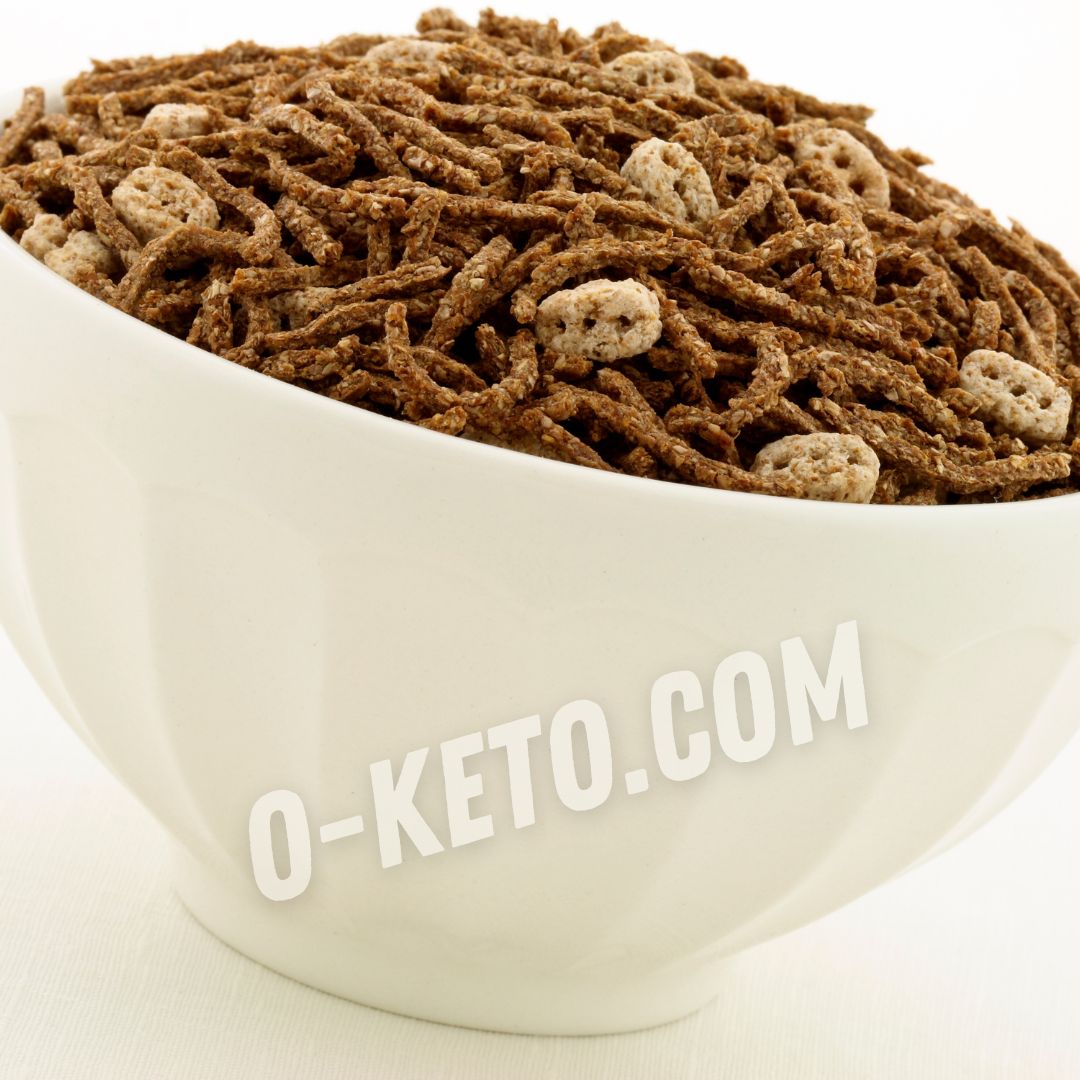

Flax bran is the fibrous part of flax seeds that remains after grain processing and partial oil separation. It is not the same as whole flaxseed or flax meal: bran is coarser, drier, absorbs water more strongly, and in recipes works more often as a fiber source and structural ingredient.
In keto cooking, flax bran is used in crispbreads, grain-free porridges, breading, patties, low-carb baking, and blends with psyllium. It gives a nutty note, makes dough denser, and helps hold moisture, but in excess it can make food heavy and too fibrous.
Nutritional value
Composition depends on the producer and how much oil remains after processing. In 100 g there may be about 400–530 kcal, 18–25 g protein, 20–40 g fat, and a significant share of dietary fiber. Older tables for flax products often list about 26 g fiber per 100 g, but specific numbers should be checked on the package.
Flax contains alpha-linolenic acid ALA, lignans, magnesium, phosphorus, manganese, and B vitamins. But bran is eaten by spoons, not by 100 g, so practical value depends on the portion: 1–2 tablespoons can noticeably change texture, but do not turn a dish into a vitamin supplement.
Is it suitable for keto?
Flax bran usually fits keto and LCHF if it contains no sugar, flour, starch, or sweet additions. Much of the carbohydrate content is fiber, but the product should not be treated as completely “zero”. For strict tracking, total and net carbohydrates on the label are better checked.
In keto recipes, bran is appropriate as a small addition to eggs, cheese, almond flour, coconut flour, psyllium, and seeds. It is especially convenient where moisture needs binding: pancakes, crispbreads, minced meat, savory muffins, and thick porridges made with water or cream.
How to use it
It is better to start with a small amount: 1 teaspoon or 1 tablespoon per serving, then assess thickness and tolerance. Flax bran swells quickly, so after adding water, egg, or cream, the mixture should stand for 5–10 minutes. Otherwise the dough may seem liquid and then suddenly become too dense.
For a “flax egg”, ground flaxseed is used more often, but bran can also bind some water. The mixture is coarser and less smooth, so for tender baking it is better combined with finer flour or psyllium. In breading, bran gives a dark crust and nutty taste.
In hot porridges and creams, bran should be added gradually and stirred well, otherwise lumps appear. In minced meat it helps hold juice, but too much makes patties dry. It is rarely added to drinks because the texture becomes grainy.
If a recipe already contains psyllium, coconut flour, or chia, flax bran should be added especially carefully: all these ingredients pull liquid into themselves. It is easier to mix a softer mass first, let it stand, and only then decide whether another spoon of dry ingredient is needed.
How to choose
Good flax bran smells of fresh grain and nuts, without bitterness, rancid oil, or dampness. Because of residual fats, flax ages quickly, so milling date and packaging matter. A transparent bag in light is worse than dense closed packaging.
The ingredient list should be simple: flax bran without sugar, flavorings, dried fruit, or cereal flakes. If the product is called a “porridge blend” or “fitness bran”, it should be checked for oat flour, wheat bran, maltodextrin, or sweeteners.
Limitations
Excess flax bran can cause bloating, heaviness, stool changes, or discomfort, especially if the portion is increased sharply and water intake is low. People with sensitive digestion are better introducing it gradually.
Flax can interfere with the handling of some prescribed drugs and supplements if they are taken together with a large portion of fiber. It is more practical to separate bran and prescribed products by time when such instructions exist. With an individual reaction to flax, the product is excluded.
How to store it
Flax bran is stored tightly closed, in a dry cool place, away from light and the stove. After opening, it is better used quickly or kept in the refrigerator. If a smell of old oil, bitterness, mold, or moisture lumps appear, the product should be discarded.
What can replace it?
In keto baking, replacements can be ground flaxseed, psyllium, chia, oat fiber without starchy additions, bamboo fiber, or coconut flour. Replacement is not exact: psyllium binds water more strongly, coconut flour dries dough, and chia gives a gel texture. The amount of liquid will need to be adjusted again.
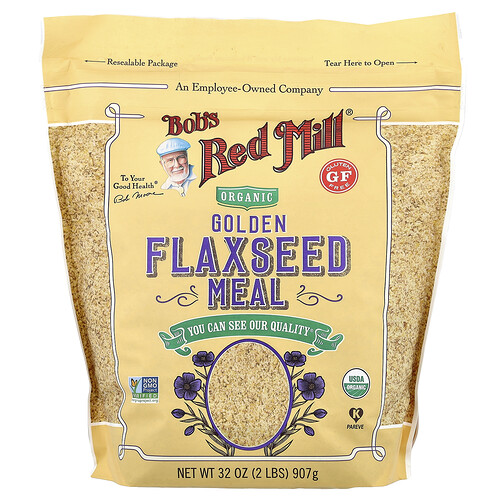
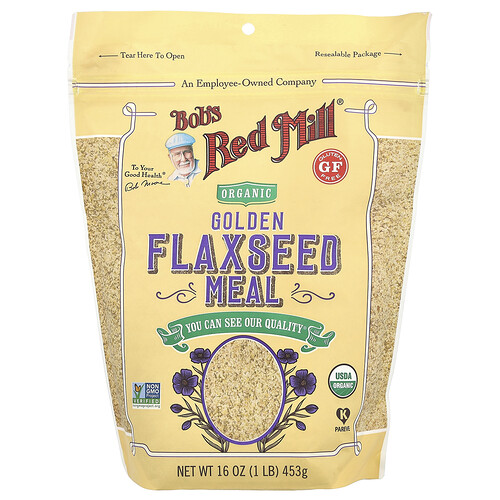
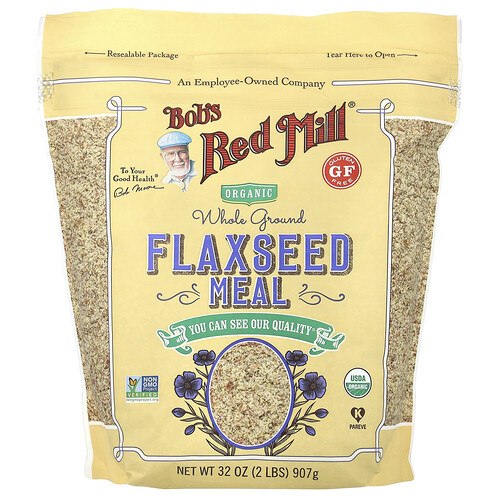
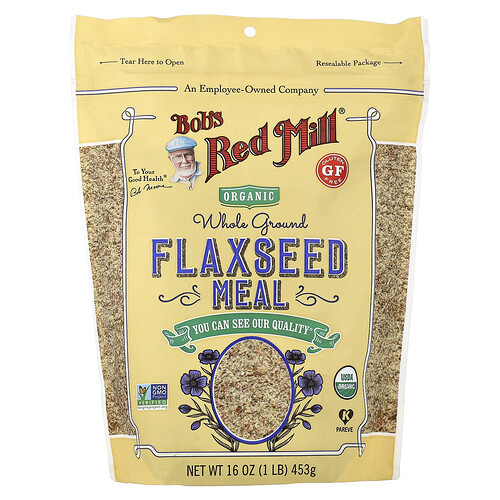
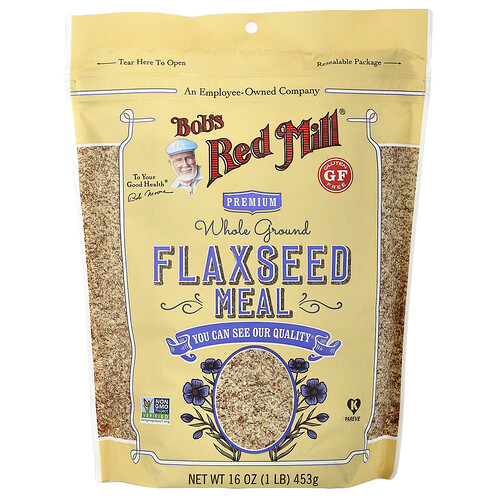
Substitution options in recipes
Psyllium. 0.7 parts of psyllium plus 0.3 parts of oat bran. The mixture provides a similar ratio of soluble (psyllium) and insoluble (oat) fiber, retains moisture, and does not impart the characteristic "flaxseed" bitterness. In the bread, increase the water by 5%, the gel will become larger.


