


Large intestine
The bowel segment where water is absorbed, stool is formed, microbiota ferment substrates, and short-chain fatty acids are produced. Its health depends on motility, bile, fiber tolerance, electrolytes, inflammation, sleep, stress, and timely evaluation of warning symptoms.
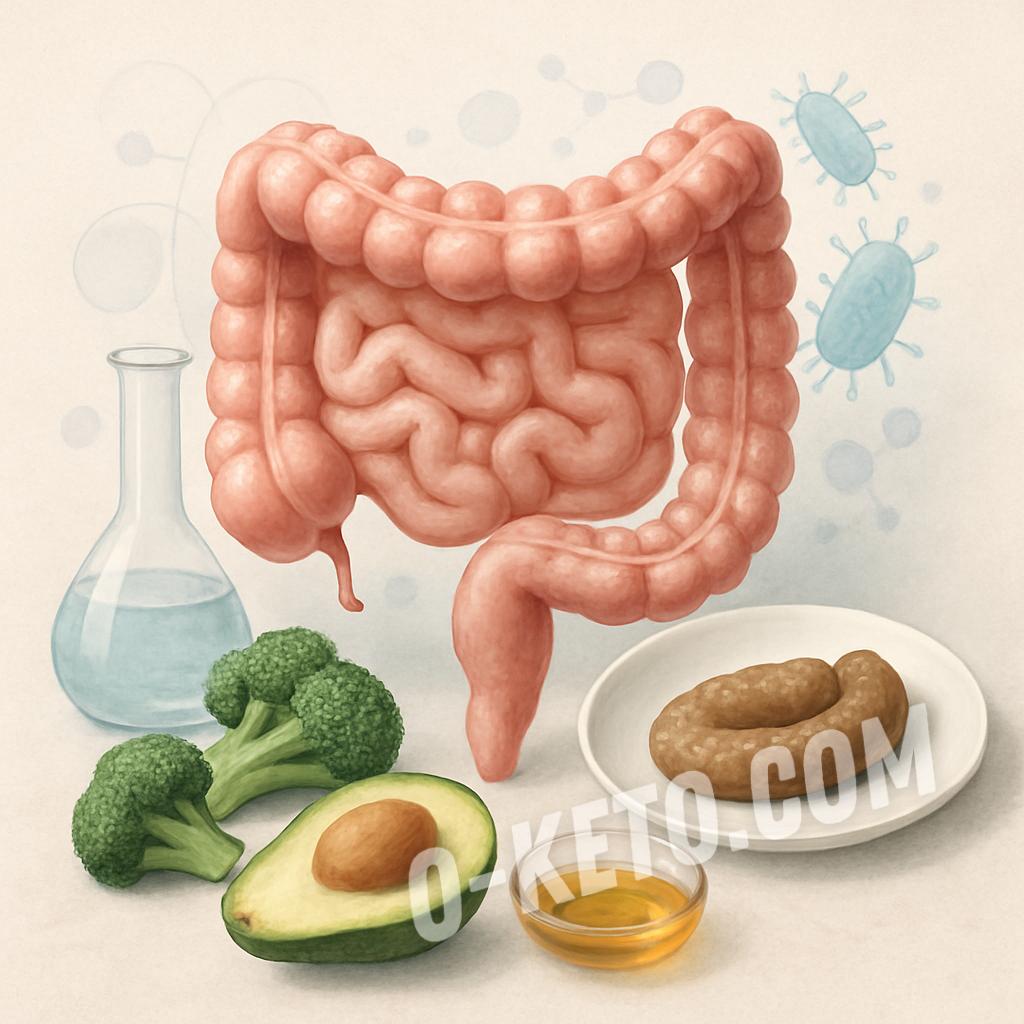
The large intestine is the final major segment of the gut, where food residues become stool, water and electrolytes are absorbed, the microbiota works, and short-chain fatty acids are produced. It does not simply remove waste. The large intestine participates in immune regulation, barrier function, bile acid metabolism, microbial vitamin production, and communication between the gut and the nervous system.
Colon health is not reflected only by stool frequency. Stool form, a sense of complete evacuation, bloating, pain, mucus, blood, night symptoms, and links with food, stress, medication, and the menstrual cycle all matter. A bowel movement does not have to occur every day if the person feels well and there is no pain, straining, blood, or abrupt change. Persistent changes in the usual pattern deserve attention.
Microbiota and short-chain fatty acids
Most of the gut microbiota lives in the large intestine. Bacteria ferment undigested carbohydrates, resistant starch, some fibers, polyphenols, and mucus, producing short-chain fatty acids such as acetate, propionate, and butyrate. Butyrate is especially important for colon cells because it serves as an energy source and supports barrier function.
On keto and LCHF, fermentable carbohydrate intake often falls, but that does not mean the microbiota should be starved. Low-carbohydrate vegetables, greens, avocado, moderate nuts, seeds, fermented foods, and sometimes small amounts of resistant starch when tolerated can provide different substrates. The right choice is individual because in irritable bowel syndrome too much fermentation can worsen bloating.
Constipation, diarrhea, and bile
Constipation on a low-carbohydrate diet is often related not to the absence of bread, but to low fluid, sodium, magnesium, potassium, a sharp drop in food volume, too few vegetables, too little fat, or high stress. Medications, hypothyroidism, iron supplements, immobility, and motility disorders can also be involved. The solution is not always a crude increase in fiber.
Diarrhea may be related to too much fat, poor bile tolerance, sugar alcohols, magnesium, infection, inflammation, medications, or gallbladder removal. Greasy, shiny, hard-to-flush stool with weight loss or nutrient deficiencies should prompt evaluation of fat absorption, pancreatic function, bile flow, and the small intestine. The large intestine often suffers secondarily from what arrives from above.
Fiber and tolerance
Fiber is not equally helpful for everyone at every dose. Soluble fiber, such as psyllium, can help both constipation and diarrhea by holding water and changing stool consistency. Coarse insoluble fiber can worsen pain and bloating in some people. In irritable bowel syndrome, inflammatory bowel disease, and after bowel surgery, the approach should be careful and gradual.
On keto, the practical goal is not maximum fiber, but a tolerated amount that supports stool and microbiota. Vegetables, magnesium, salt, water, movement, and regular toilet timing may help. Sometimes FODMAPs, lactose, sugar alcohols, caffeine, and very fatty meals need to be reviewed. There is no universal recipe for the large intestine because motility and microbiota differ between people.
Inflammation and warning signs
Blood in the stool, black stool, unexplained weight loss, anemia, night diarrhea, persistent pain, fever, a new major change in bowel habits after age 45-50, or a family history of colon cancer or inflammatory bowel disease requires medical evaluation. These symptoms should not be blamed on keto, stress, or a gut cleanse. Colonoscopy, blood tests, fecal occult blood testing, inflammatory markers, and medication review may be needed.
Colon cancer screening matters even with a good diet. The starting age and method depend on the country, family history, and personal risk factors. Low-carbohydrate nutrition does not replace screening. The earlier precancerous polyps or cancer are found, the better the chance of effective treatment.
Practical conclusion
The large intestine works best with normal motility, enough fluid and electrolytes, tolerated fibers, healthy bile flow, varied substrates for the microbiota, sleep, and movement. Keto can be compatible with a healthy gut when it does not become a diet without vegetables, salt, magnesium, and fermentable foods. The key is to watch stool, symptoms, tests, and warning signs rather than the ideology of the diet.
If you have any questions about the term "Large intestine", you can ask them to AI. Please note, a low-cost OpenAI model is used. It may answer questions about disease treatment with errors!


 1 / 4
1 / 4
 1 / 4
1 / 4


 1 / 4
1 / 4


