


Heart
This muscular organ works as a pump, maintaining blood flow, pressure, rhythm, and oxygen delivery to tissues. Heart health depends not only on fats and cholesterol, but also on blood pressure, glucose, electrolytes, sleep, movement, inflammation, medications, and timely evaluation of symptoms.
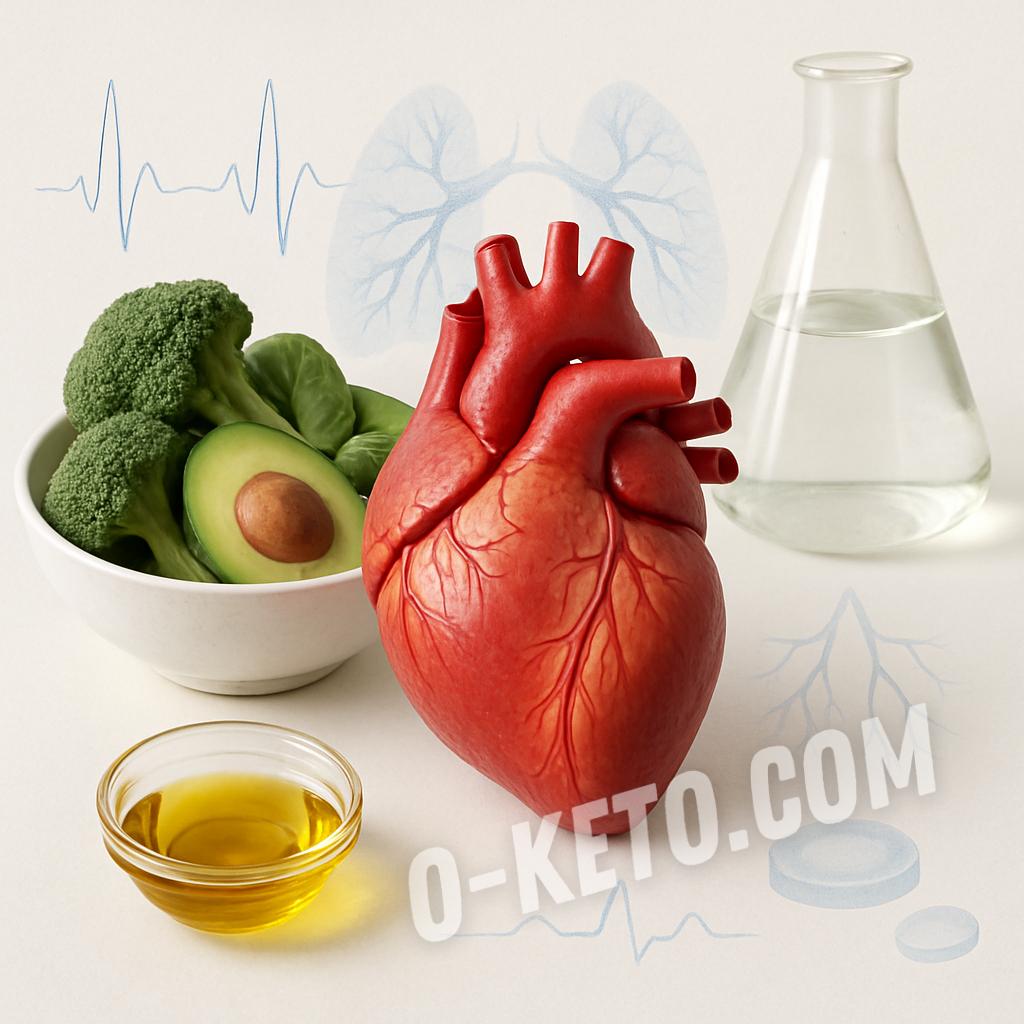
The heart is a muscular organ that rhythmically pumps blood through the lungs and the rest of the body. The right side sends blood to the lungs for oxygenation, while the left side pushes blood into the systemic circulation. Heart function depends on cardiac muscle, valves, the conduction system, blood vessels, nervous regulation, electrolytes, and energy metabolism. Its health cannot be reduced to pulse or one cholesterol marker.
The heart constantly adapts to demand. During movement it increases rate and contraction strength, during sleep it works more economically, during stress it responds to adrenaline, and during dehydration, anemia, infection, or fever it has to work harder. If the load becomes chronic because of hypertension, obesity, diabetes, sleep apnea, or valve disease, the heart may thicken, enlarge, or lose efficiency.
Rhythm, pressure, and energy
Heart rhythm is created by the conduction system, and normal contractions depend on sodium, potassium, magnesium, calcium, and oxygen supply. Electrolyte deficiency or excess, some medications, alcohol, thyroid disease, inflammation, and poor sleep may provoke palpitations or arrhythmias. Not every palpitation is dangerous, but new, frequent, or symptomatic rhythm changes need assessment.
Blood pressure determines the load against which the heart pumps. Chronic hypertension makes the muscle work harder and damages vessels. Low pressure can also be a problem when it comes with fainting, weakness, dehydration, or medication overeffect. Regular measurement is more reliable than relying only on how one feels.
Nutrition and low-carb eating
Keto and LCHF may support the heart indirectly when they reduce visceral fat, glucose, insulin resistance, triglycerides, and inflammatory load. Many people experience fewer sugar swings and lower appetite. The whole picture still matters: ApoB, LDL particles, blood pressure, sleep, physical activity, smoking, alcohol, kidneys, and family history. Good glucose does not erase cardiovascular risk.
A heart-supportive diet is best built from whole foods: fish, eggs, good-quality meat, olive oil, avocado, greens, low-carb vegetables, berries, tolerated nuts, and enough protein. Excess processed meat, alcohol, sweet keto desserts, and constant overeating of fats may worsen the overall picture. If ApoB or LDL rises sharply on low-carb, it should be discussed rather than dismissed automatically.
Movement and recovery
Regular activity benefits the heart, but it should match the person’s condition. Walking, swimming, cycling, resistance training, and ordinary daily movement improve vascular function, blood pressure, insulin sensitivity, and mood. When heart disease is already known, exercise planning is best discussed with a clinician or cardiac rehabilitation program.
Recovery matters as much as training. Poor sleep, sleep apnea, chronic stress, and constant stimulant overload increase cardiac strain. Caffeine is acceptable for many people, but with arrhythmias, anxiety, insomnia, or high blood pressure, the amount should be individualized. Alcohol increases the risk of arrhythmias and blood pressure problems even if it feels relaxing in the moment.
How the heart moves blood
Blood moves through the vessels because the rhythmic contractions of the heart create a pressure gradient. The heart receives blood from the veins, ejects it into the pulmonary and systemic circulations, and maintains directed flow between organs. Vessels therefore do not replace the heart, but they participate in the system at every level.
The role of blood vessels
The aorta and large arteries stretch during ejection and then release part of the stored elastic energy. This smooths the pulsatile flow. Arterioles change their diameter and regulate resistance, distributing blood between tissues. Veins act as capacitance vessels, while valves, breathing movements, and skeletal-muscle contractions help return blood to the heart.
What happens after the heart stops
When the heart stops, effective cardiac output stops as well. Pressure in the vessels does not disappear at exactly the same moment: residual pressure, elastic recoil of vessel walls, and gravity-dependent movement of blood may persist briefly. As a result, short residual movements or redistribution of blood may occur in individual vessels.
These movements are not effective circulation. Without new heart contractions, pressure falls rapidly, directed flow stops, and tissues no longer receive enough oxygen. Arterial elasticity and vascular activity can smooth and distribute flow, but they cannot generate it in place of the heart.
Circulation is therefore the combined work of the heart and the vascular system: the heart creates the main pressure gradient, while vessels regulate resistance, distribute blood, and support venous return.
Warning signs
Urgent care is needed for pressure-like chest pain, pain radiating to the arm, back, neck, or jaw, shortness of breath at rest, cold sweat, fainting, sudden weakness, severe palpitations with feeling unwell, blue lips, cough with pink sputum, or sudden loss of exercise tolerance. In women, older adults, and people with diabetes, heart attack may appear atypically as weakness, nausea, shortness of breath, back pain, or upper abdominal discomfort.
A practical approach to heart health combines prevention with attention to symptoms. Nutrition, movement, sleep, and sugar reduction matter, but they should be accompanied by monitoring of blood pressure, lipids, glucose, weight, medications, and family risk. The heart works every minute, and it is better supported systemically than by searching for one supplement or one diet for everyone.
Cardiac muscle depends heavily on mitochondria. It constantly needs oxygen, fatty acids, glucose in the right context, coenzymes, iron, magnesium, and adequate blood flow. Chronic anemia, iron deficiency, thyroid disease, inflammation, and poor lung function may feel like heart weakness even when the primary cause is not the heart itself. Good diagnosis helps avoid treating the wrong organ.



If you have any questions about the term "Heart", you can ask them to AI. Please note, a low-cost OpenAI model is used. It may answer questions about disease treatment with errors!


 1 / 4
1 / 4
 1 / 4
1 / 4 1 / 4
1 / 4 1 / 4
1 / 4