


Skeletal musculature
The system of muscles attached to bones enables movement, posture, heat production, insulin sensitivity, and much of glucose disposal. Preserving it requires protein, resistance training, sleep, electrolytes, enough energy, and recovery, not exercise alone.
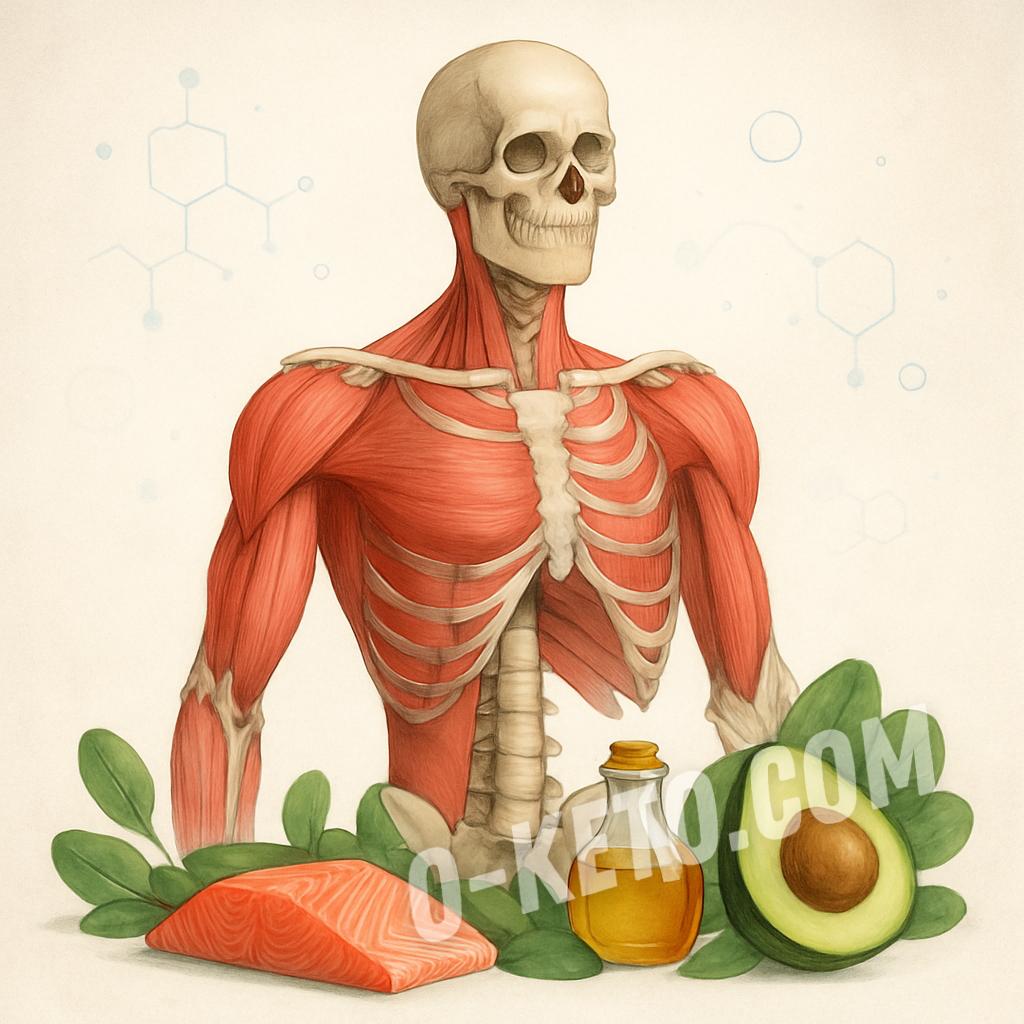
Skeletal musculature is the system of muscles attached to bones that allows movement, posture, breathing, lifting, walking, chewing, and joint stabilization. It is not only a mechanical apparatus. Skeletal muscle is metabolically active: it stores glycogen, consumes glucose, uses fatty acids, releases myokines, and influences insulin sensitivity. The better muscle mass and function are preserved, the more resilient metabolic health tends to be.
Muscle matters at every age, but especially after midlife, when the risk of sarcopenia gradually rises. Loss of muscle worsens strength, balance, illness tolerance, glucose control, and quality of life. A person may have normal body weight but low muscle mass and high body fat. Body weight alone is therefore not enough to assess health.
Muscle as a metabolic organ
After meals, skeletal muscle is one of the main places where glucose is disposed of. Muscle contraction increases glucose uptake partly independently of insulin, which is why walking or training after meals can reduce glucose peaks. Regular muscle work improves mitochondria, vascular function, blood pressure, inflammatory signaling, and fatty acid use.
Muscle also serves as an amino acid reserve. During illness, injury, surgery, or severe stress, the body may use muscle protein for immunity, healing, and glucose maintenance. When muscle reserve is low, recovery is poorer. This is one reason chronically low-protein and very low-calorie diets can be harmful even when weight falls quickly.
Low-carb nutrition and protein
Keto and LCHF can fit muscle preservation well when the diet provides enough complete protein and energy. Meat, fish, eggs, poultry, seafood, cottage cheese, cheese, and well-tolerated quality protein powders provide amino acids for muscle tissue. Fear of protein because of ketosis often creates a mistake: plenty of fat, but too little building material.
For most adults, the practical goal is regular protein servings at main meals. After training and in older age, the leucine signal and total amino acid dose matter especially. If appetite is low, the gut is sensitive, or recovery after illness is ongoing, protein may need to be distributed across several meals rather than saved for the evening.
Training and recovery
Resistance training is the main signal to maintain and build muscle. It does not have to mean bodybuilding. Bodyweight movements, bands, dumbbells, machines, stairs, squats, pulls, presses, and balance exercises can all work. Progression matters: muscle needs a regular stimulus that is slightly stronger or better than what it is used to.
Recovery matters just as much. Sleep, magnesium, potassium, sodium, enough energy, lower chronic stress, and rest days help muscle adapt. During the first weeks of low-carb eating, performance may temporarily fall because of water and electrolyte shifts. This does not always mean keto is unsuitable; sometimes training and food need a gentler adaptation period.
When muscle is lost
Muscle loss accelerates with under-eating, inactivity, chronic inflammation, diabetes, thyroid disease, protein deficiency, low testosterone, excess alcohol, glucocorticoid use, and severe illness. Warning signs include weakness, falls, reduced grip strength, difficulty standing from a chair, unexplained weight loss, and inability to tolerate normal activity.
Practical care for skeletal musculature combines protein, movement, and recovery. Fat loss without muscle preservation worsens body composition. A good low-carbohydrate diet should help a person become stronger or at least keep strength, not only produce a lower number on the scale.
Skeletal musculature also releases myokines, signaling molecules produced during muscle contraction. They help muscles communicate with adipose tissue, liver, immune system, brain, and bones. Movement therefore affects more than calorie expenditure. Even moderate regular activity changes hormonal and inflammatory signaling, improves carbohydrate tolerance, and helps maintain healthier body composition.
Skeletal musculature can be assessed beyond appearance. Grip strength, walking speed, the ability to stand from a chair without using the hands, waist relative to body weight, bioimpedance, or DEXA when available can all help. If body weight falls while strength declines, that is a poor sign. The weight-loss plan may be taking too much muscle tissue or recovery may not match the training load.
If you have any questions about the term "Skeletal musculature", you can ask them to AI. Please note, a low-cost OpenAI model is used. It may answer questions about disease treatment with errors!


 1 / 4
1 / 4


 1 / 4
1 / 4

