


Low testosterone
Low testosterone is associated with lower libido, reduced energy, weaker muscle function, and poorer mood resilience. It often coexists with obesity, sleep loss, and metabolic dysfunction.




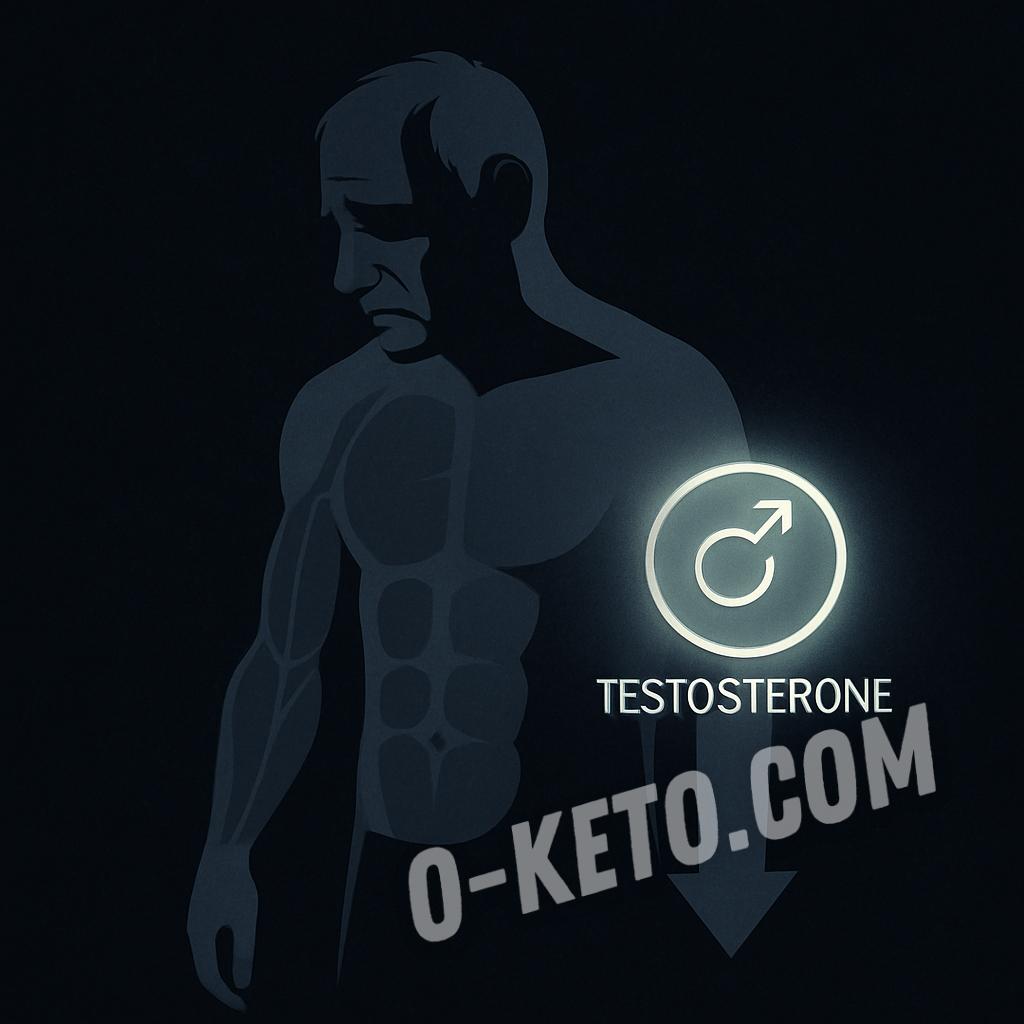
<p>Low testosterone is a condition in which testosterone falls below the range that helps maintain normal libido, muscle strength, bone density, red blood cell production, stable mood, and a good overall sense of energy. A single lab value does not always define the whole problem: symptoms, age, body composition, sleep quality, stress, chronic disease, and medication use all matter when the result is interpreted.</p>
<h2>Why testosterone may become low</h2>
<p>There is no single cause in every case. Testosterone can gradually decline with age, but clinically relevant reduction is often linked to a broader metabolic or hormonal context rather than age alone. Obesity, insulin resistance, type 2 diabetes, chronic sleep deprivation, high stress load, low physical activity, excess alcohol intake, severe calorie restriction, and some medications can all contribute. In some people the problem originates in the testes, while in others it reflects reduced stimulation from the pituitary or hypothalamus.</p>
<h2>Common symptoms</h2>
<p>Symptoms vary from person to person. Some people first notice lower sexual desire, while others focus on fatigue, weaker training recovery, reduced motivation, or gradual loss of muscle mass. Common complaints include lower libido, erectile difficulties, increased abdominal fat, reduced strength, slower recovery, depressed mood, poorer concentration, and loss of morning vitality. These symptoms are not specific to testosterone alone, which is why they should always be assessed together with lab work and the broader clinical picture.</p>
<h2>Which tests are usually checked</h2>
<p>Evaluation often begins with morning total testosterone, because testosterone changes during the day. If the value is borderline or the picture is unclear, clinicians may also look at free testosterone, sex hormone binding globulin, LH, FSH, prolactin, TSH, and sometimes estradiol or DHEA-S. When metabolic dysfunction is suspected, it also helps to assess glucose, insulin, HbA1c, lipid markers, liver enzymes, and waist circumference. A repeat measurement is often useful if the first result was obtained during illness, after poor sleep, or under other temporary stressors.</p>
<h2>Why it is often linked to metabolic health</h2>
<p>Low testosterone commonly appears alongside visceral obesity, insulin resistance, elevated triglycerides, and endothelial dysfunction. Excess visceral fat alters hormonal signaling, increases inflammatory tone, and worsens tissue responsiveness to metabolic signals. Because of that, low testosterone often reflects broader systemic strain rather than an isolated endocrine issue. In many cases, improving sleep, reducing excess body fat, restoring physical activity, and stabilizing blood sugar also improves the hormonal background.</p>
<h2>How support is usually approached</h2>
<p>Treatment depends on the cause. When sleep loss, obesity, stress, and inactivity dominate the picture, the foundation is lifestyle correction: better sleep, resistance exercise, body fat reduction, and more stable metabolic control. If deficiencies are present, they are corrected more specifically. Nutritional support may include vitamin D, zinc, omega-3, and selected plant-based compounds when symptoms and lab context support their use. However, these measures should not replace proper evaluation when true hypogonadism, pituitary dysfunction, infertility, or major sexual symptoms are present.</p>
<h2>When medical evaluation is especially important</h2>
<p>Medical review becomes more important when low libido is combined with erectile dysfunction, marked weakness, infertility, declining muscle mass, reduced morning erections, osteoporosis, or rapid onset of symptoms. It also deserves attention when the issue appears after a new medication or coexists with obesity, hypertension, poor glucose control, or chronic fatigue. Low testosterone is best viewed not just as a number on a lab sheet, but as a signal about hormonal balance, recovery, and metabolic health as a whole.</p>
If you have any questions about the term "Low testosterone", you can ask them to AI. Please note, a low-cost OpenAI model is used. It may answer questions about disease treatment with errors!


 1 / 4
1 / 4 1 / 4
1 / 4


 1 / 4
1 / 4


