


Total testosterone
Total testosterone measures the combined hormone in blood: SHBG-bound, albumin-bound and a small free fraction. It is useful when androgen deficiency or excess is suspected, but without SHBG, free testosterone and symptoms it can mislead.
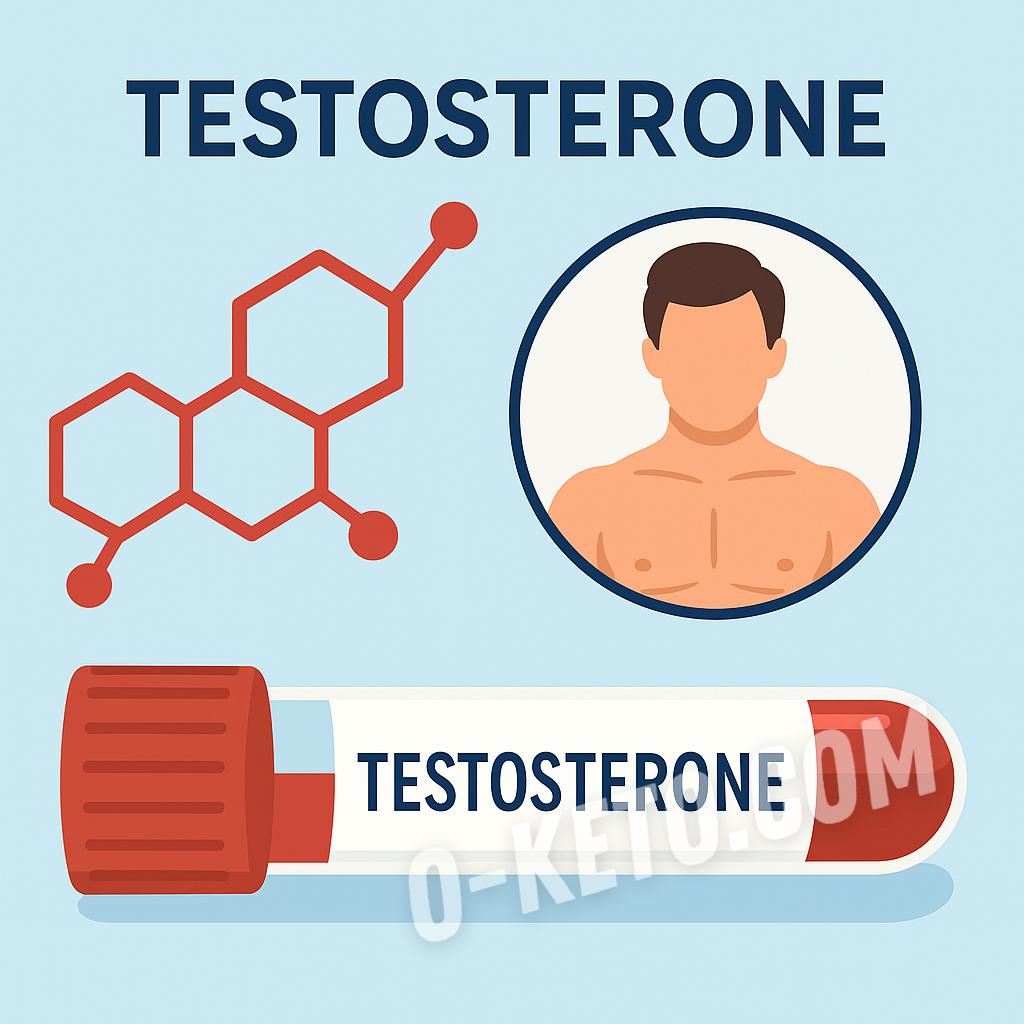
Total testosterone shows the combined amount of testosterone in blood. The number includes testosterone bound to SHBG, testosterone bound to albumin and a small free fraction. Therefore it does not always answer directly how much active testosterone is available to tissues.
In men, testosterone is produced mainly by the testes; in women, smaller amounts come from the ovaries and adrenal glands. It influences libido, muscle, bone, red-cell production, mood, energy, sperm production, fat distribution and skin. None of these signs proves deficiency or excess without testing and context.
What total testosterone measures
Most circulating testosterone is bound. SHBG binds it tightly, albumin binds it more loosely, and the free fraction is small. If SHBG is high, total testosterone may look normal or high while the free fraction is lower than expected. If SHBG is low, total testosterone may look low while free testosterone remains acceptable.
That is why total testosterone is best read with SHBG and, when needed, calculated free or bioavailable testosterone. Direct free-testosterone assays differ in quality, so the laboratory method also matters.
When it is ordered
In men, the test is used for low libido, erectile dysfunction, infertility, muscle loss, low bone density, anemia, delayed puberty, suspected hypogonadism and treatment monitoring. One random value is usually not enough for diagnosis; repeated morning measurements and symptoms are often required.
In women, total testosterone may help evaluate hirsutism, acne, irregular cycles, suspected PCOS, androgen-producing tumors or other endocrine disorders. Small deviations should not be overread. The clinical picture, free fraction, DHEA-S, androstenedione, prolactin, TSH and 17-hydroxyprogesterone may be just as important.
Timing and preparation
Testosterone has a daily rhythm, especially in men, and is usually higher in the morning. Blood is therefore often drawn in the morning unless the clinician advises otherwise. Poor sleep, acute illness, severe stress, alcohol, hard training, rapid weight loss and calorie deficit can temporarily lower the value.
Medications and conditions that change SHBG also influence interpretation: estrogens, some hormonal drugs, glucocorticoids, liver disease, hyperthyroidism, hypothyroidism, obesity, insulin resistance and age. If a person uses testosterone, anabolic steroids, antiandrogens or finasteride, interpretation becomes a separate clinical task.
Nutrition, keto and training
Low-carb nutrition does not have to lower testosterone by itself. Problems are more likely when the diet becomes chronically deficient in energy, protein, salt, micronutrients or sleep. Aggressive weight loss, overtraining and persistent stress can suppress the reproductive axis regardless of carbohydrate grams.
Normal androgen function needs enough calories, complete protein, iron, zinc, magnesium, vitamin D correction when deficient, strength training without overtraining and recovery. In obesity and insulin resistance, weight loss and better sleep may improve the hormonal profile, but that does not make testosterone a supplement for self-prescription.
What to compare it with
Total testosterone is interpreted with SHBG, albumin, calculated free testosterone, LH, FSH, prolactin, TSH, estradiol, a complete blood count, ferritin and symptoms. In men with low values, it is important to separate a primary testicular problem from regulation problems at the pituitary or hypothalamic level. In women, PCOS has to be separated from rarer but more serious causes of androgen excess.
Repeat testing and red flags
If total testosterone is unexpectedly low or high, it is often repeated under similar conditions: morning draw, normal sleep, no acute illness and no hard workout the day before. In men, confirming a low value is especially important because one number may reflect stress, poor sleep, infection or temporary energy deficit.
Urgent medical evaluation is needed with rapid severe weakness, sudden libido loss, infertility, shrinking testes, galactorrhea, marked headaches, visual symptoms or very rapid signs of androgen excess in a woman. Rapid male-pattern hair growth, voice deepening, clitoral enlargement or sudden severe acne require evaluation for tumors and other serious causes, not cosmetic correction alone.
What the test does not show
Total testosterone does not show tissue sensitivity to androgens, 5-alpha-reductase activity, DHT level in skin or follicles, or the cause of symptoms. A normal number does not exclude sleep disorders, depression, iron deficiency, hypothyroidism, medication side effects or chronic overload. The test should help ask better questions, not replace clinical reasoning.
If you have any questions about the term "Total testosterone", you can ask them to AI. Please note, a low-cost OpenAI model is used. It may answer questions about disease treatment with errors!


 1 / 4
1 / 4


 1 / 4
1 / 4

 1 / 4
1 / 4