


Irritable bowel syndrome
Irritable bowel syndrome is a functional bowel disorder with pain, bloating and stool changes in which chronic gut sensitivity and motility disturbance must be distinguished from inflammatory, infectious and structural causes.




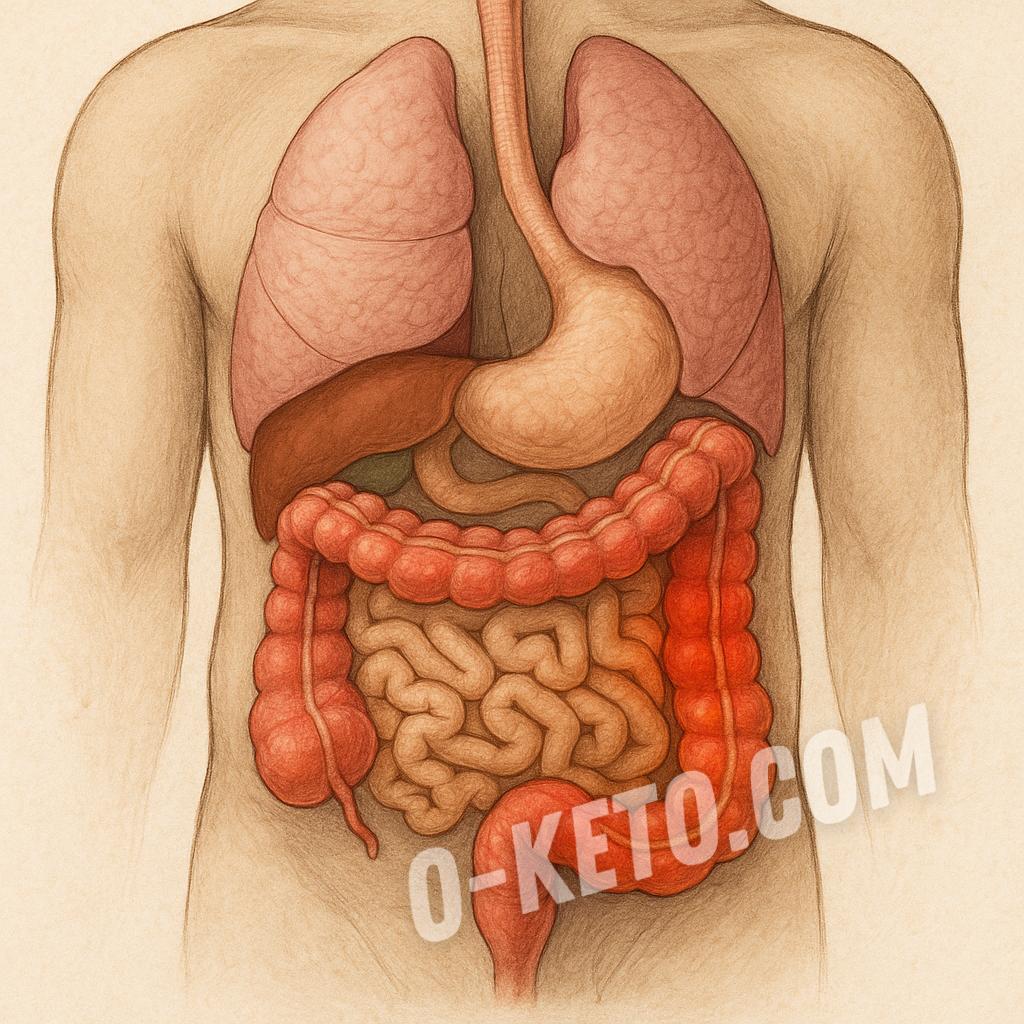
Irritable bowel syndrome, or IBS, is a functional bowel disorder in which a person experiences abdominal pain, bloating, rumbling, incomplete emptying and altered stool pattern without clear structural injury in the intestine. Some people mainly have diarrhea, others constipation, and others alternate between both. In real life, symptoms can be very disruptive even when endoscopy does not reveal dramatic organic disease. That is why IBS should not be reduced either to “it’s all stress” or to a search for one magical pill.
Why the gut becomes so sensitive
IBS involves increased gut sensitivity, altered motility, communication changes along the gut-brain axis, stress, prior infection, dietary triggers and sometimes poor tolerance of fermentable carbohydrates. In some people symptoms intensify after meals; in others they worsen with anxiety, lack of sleep or rushing. This does not mean the problem is imaginary. It means the bowel and its nervous regulation are behaving unstably even without destructive inflammation.
That combination is exactly what makes IBS difficult: the symptoms are real, yet the mechanism cannot be reduced to one obvious ulcer or tumor.
What should be excluded first
Before confidently calling symptoms IBS, it is important to look for warning signs of organic disease: blood in stool, nocturnal diarrhea, fever, weight loss, anemia, significantly elevated inflammatory markers, celiac disease, inflammatory bowel disease and some infections. Age at onset, family history and symptom severity also matter. If red flags are present, the priority shifts from confirming a functional disorder to ruling out a more serious process.
In that sense IBS is not a careless label, but a diagnosis that makes sense only after more dangerous causes have been considered.
How food changes symptoms
For many people symptoms depend on meal size, eating speed, excess FODMAP carbohydrates, sugar alcohols, lactose, too much caffeine, alcohol and chaotic meal timing. But there is no universal diet that fits everyone. One person improves by reducing fermentable foods, another by eating on a more regular schedule, and a third by improving sleep and anxiety management. It is therefore more useful to identify personal triggers than to declare a huge list of foods permanently “bad.”
A lower-carbohydrate approach can reduce bloating and stool swings in some people, but if it turns into a rigid restriction that increases fear around food, the benefit becomes doubtful.
What matters besides diet
Sleep, stress, activity level, rushing, suppressing bowel urges, prior infections and overall emotional background all influence IBS severity. For some people, breathing work, psychotherapy, slower routines and regular daily structure matter almost as much as food choices. That does not mean “the problem is in the head.” It means the gut-brain axis genuinely participates in symptom formation.
For that reason the most useful IBS strategy is usually layered: food adjustment, daily rhythm, sleep, symptom relief and continued awareness of red flags.
When faster evaluation is needed
Faster review is needed with blood in stool, nocturnal symptoms, fever, marked weight loss, persistent vomiting, worsening anemia, strong weakness, signs of dehydration or a sharp change in the usual bowel pattern. In such cases, it is important not to get stuck on the IBS label if the clinical picture already requires ruling out organic disease.
The most sensible way to view IBS is as a real functional bowel disorder with high sensitivity to routine, food and stress, while still remembering the need to distinguish it in time from inflammatory and other serious causes.
Why symptoms should not be endured in silence
Many people spend years adapting life around IBS, feeling embarrassed, avoiding travel, public places or food outside the home, yet never describing the real burden of symptoms. Proper evaluation and gradual adjustment of routine, food and symptom support often reduce that burden noticeably and restore a sense of control even when the bowel remains sensitive.
If you have any questions about the term "Irritable bowel syndrome", you can ask them to AI. Please note, a low-cost OpenAI model is used. It may answer questions about disease treatment with errors!


 1 / 4
1 / 4 1 / 4
1 / 4
 1 / 4
1 / 4
 1 / 4
1 / 4


 1 / 4
1 / 4