


Homeostasis
The body’s ability to keep its internal environment within working limits underlies regulation of glucose, temperature, acidity, blood pressure, electrolytes and fluid balance. Nutrition can support these mechanisms, but it does not replace nervous, hormonal, kidney, respiratory and immune regulation.

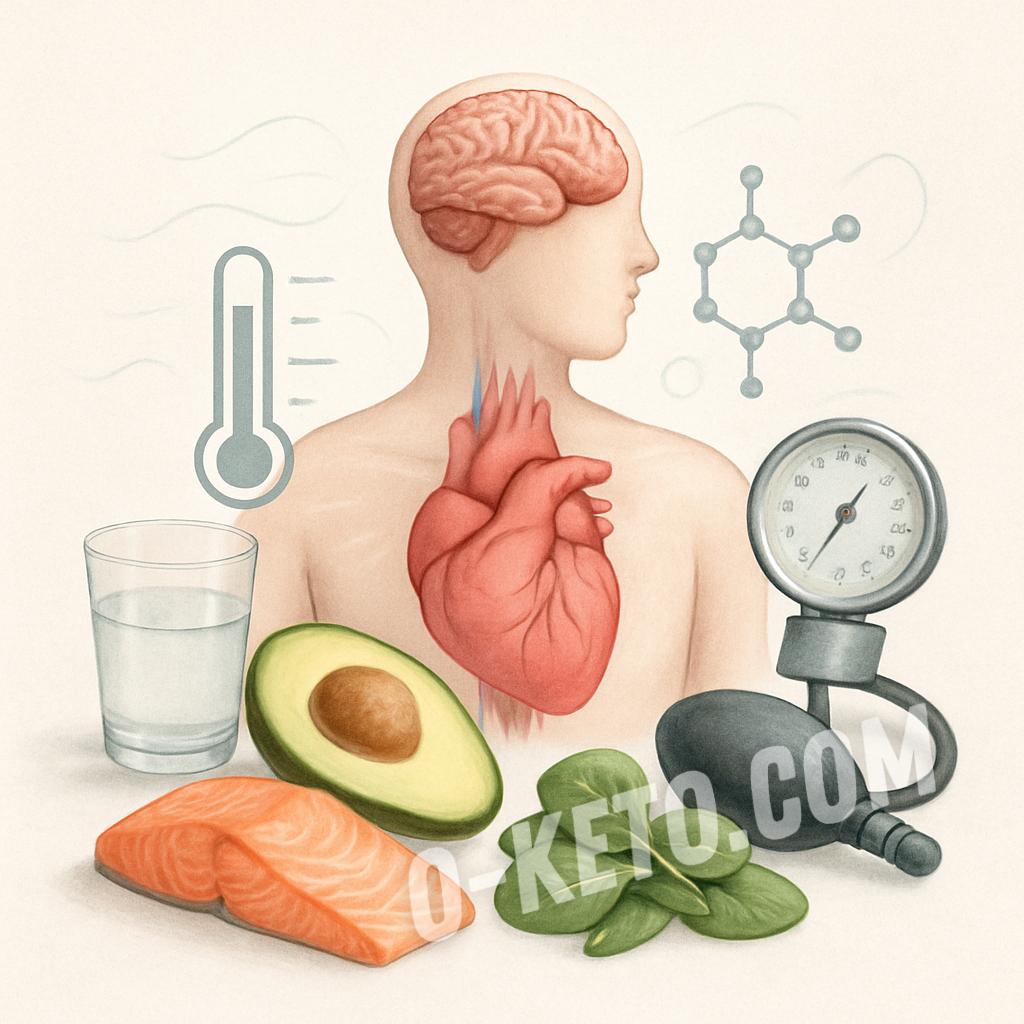
Homeostasis is the body’s ability to keep its internal environment within ranges that allow cells to function normally. It is not a frozen state of perfect balance. It is a dynamic process of constant adjustment. Temperature, blood glucose, acid-base status, blood pressure, sodium, potassium, fluid volume, oxygen, hormones and immune signals change all the time, while healthy regulatory systems bring them back into a workable range. This is what allows a person to eat, move, sleep, handle stress and adapt to the outside world.
For nutrition, the concept matters because the body is not a passive container into which calories and nutrients are simply poured. It regulates absorption, storage, use, excretion, hunger and satiety signals. But homeostasis has limits. If the load is too high or regulatory systems are damaged, hyperglycemia, edema, dehydration, hypertension, electrolyte disorders, inflammation or hormonal disruption can appear. The role of nutrition is not to control everything directly, but to reduce unnecessary load and provide the resources that regulation requires.
Systems that maintain balance
The nervous system responds quickly to changes in temperature, pain, pressure, energy availability and danger. The hormonal system acts more slowly but deeply: insulin, glucagon, cortisol, adrenaline, thyroid hormones, aldosterone, vasopressin and sex hormones influence metabolism, water, salt, appetite and vascular tone. The kidneys regulate fluid volume, sodium, potassium and acid-base balance. The lungs remove carbon dioxide and help maintain blood pH. The liver manages glucose, bile, detoxification and energy stores.
The gut and microbiota also participate, although they are not a separate control center for the whole body. They influence absorption, immune signaling, bile acids, short-chain fatty acids and food tolerance. The immune system maintains the boundary between protection and excessive inflammation. When these systems work together, changes after a meal, workout or stressful event remain temporary. When communication breaks down, an ordinary load can produce disproportionate symptoms.
Glucose and energy homeostasis
One of the clearest examples is glucose regulation. After a meal, glucose rises, insulin helps cells use and store energy, and the liver replenishes glycogen. Between meals, the liver maintains blood glucose through glycogen breakdown and gluconeogenesis. During low-carbohydrate eating, fatty acids and ketone bodies become more important, but glucose does not disappear. It remains necessary for tissues that depend on it.
Insulin resistance is an example of disrupted energy homeostasis. Cells respond less well to insulin, the pancreas may produce more of the hormone, the liver can release excess glucose, and fat tissue changes its signaling. This is why the same carbohydrate load can produce different responses in different people. A low-carbohydrate diet can reduce the burden on the system, but sleep, stress, movement, muscle mass, medications and inflammation also influence the result.
Water, salt and electrolytes
Fluid and electrolyte homeostasis is especially noticeable on keto and LCHF. When insulin decreases and glycogen stores fall, the body often loses more water and sodium. In the beginning of low-carbohydrate eating, this may cause weakness, headache, palpitations, cramps or lower blood pressure. This does not always mean that the diet is unsuitable. Sometimes it means that water and salt balance has not adapted yet.
Electrolytes should not be added blindly forever. In kidney disease, heart failure, hypertension, diuretic use, ACE inhibitors, angiotensin receptor blockers or potassium-sparing drugs, too much salt or potassium can be dangerous. Homeostasis means precise regulation, not the rule that more is always better. A practical approach considers blood pressure, edema, thirst, urination, laboratory results, medication and symptoms.
Why one marker is not enough
Homeostasis works as a network. Normal glucose does not guarantee normal insulin. Normal body weight does not exclude mineral deficiency. Normal blood sodium does not always describe total fluid status. The absence of symptoms does not always mean the absence of strain. This is why medicine and nutrition need combinations: diet, sleep, medications, laboratory markers, blood pressure, pulse, training load, stress and the direction of change over time.
Homeostasis is supported by regular sleep, adequate protein, nutrient-dense food, appropriate salt and fluids, movement, recovery, treatment of disease and caution with extreme protocols. The body can adapt, but it needs resources and a reasonable load. A good diet does not instantly reprogram homeostasis. It gradually reduces conflicting signals and helps regulatory systems work more steadily.
If you have any questions about the term "Homeostasis", you can ask them to AI. Please note, a low-cost OpenAI model is used. It may answer questions about disease treatment with errors!


 1 / 4
1 / 4
 1 / 4
1 / 4 1 / 4
1 / 4 1 / 4
1 / 4 1 / 4
1 / 4