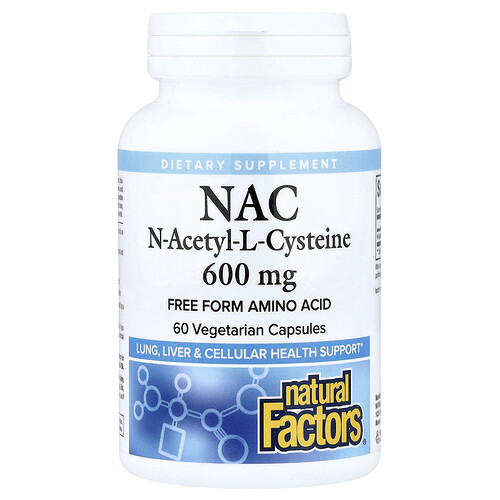
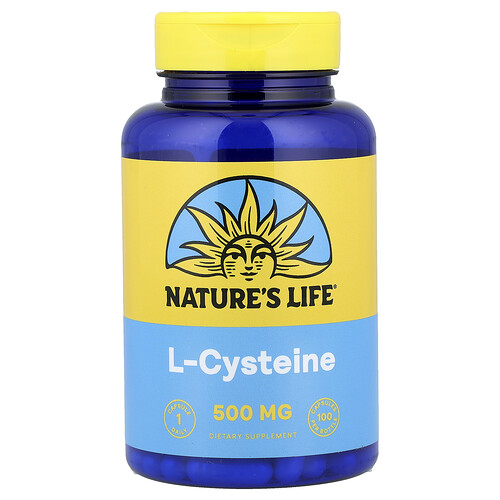
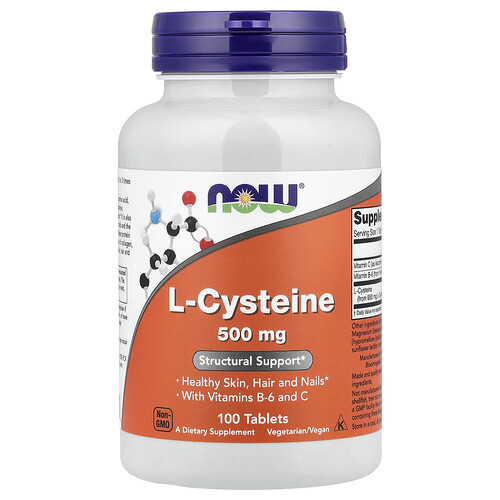
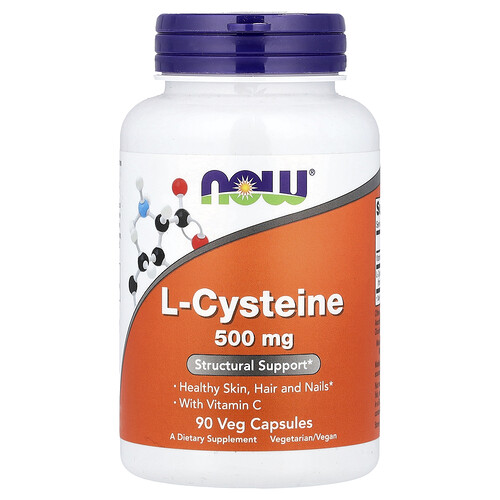
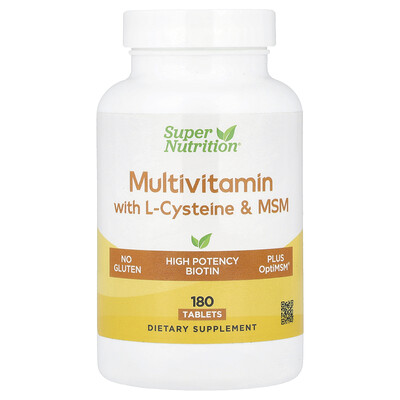
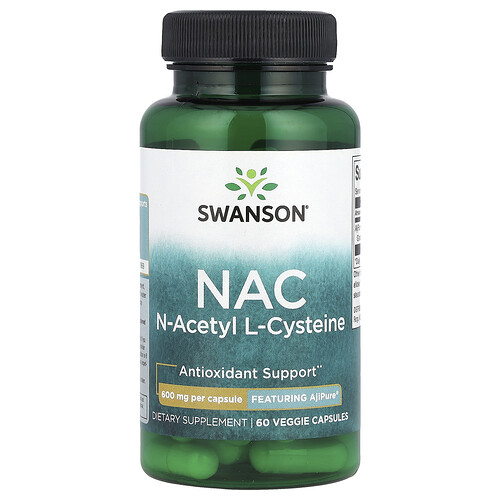
Contains sulfur, participates in the synthesis of glutathione, collagen, and detoxification. A deficiency leads to brittle hair, weakened immunity, and poor skin. Prescribed for intoxications, skin problems, and for hair and nail growth.
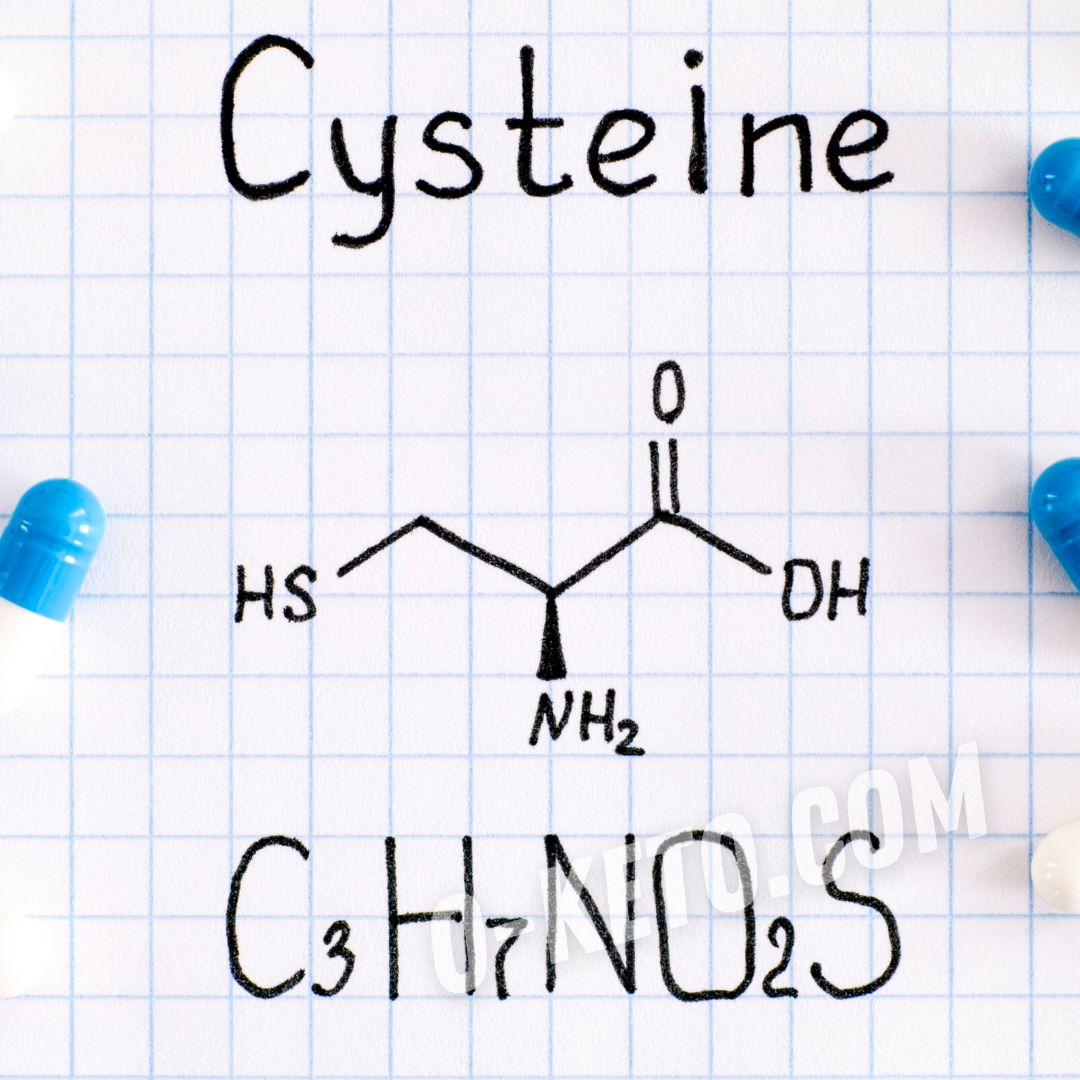
Cysteine is a sulfur-containing amino acid that plays an important role in metabolism and antioxidant protection. It serves as a precursor to glutathione, one of the main intracellular antioxidants, and is also involved in protein synthesis, strengthening the immune system, and maintaining the health of skin, hair, and connective tissue.
Health Benefits
Cysteine performs several vital functions in the body:
participates in the synthesis of glutathione, the main detoxifier and antioxidant of cells;
supports the health of skin, nails, and hair due to its sulfur content;
stimulates the immune response and accelerates tissue recovery;
involved in the metabolism of vitamins B6 and B12, as well as iron and zinc.
With adequate intake, cysteine helps protect the body from oxidative stress and inflammation, as well as supports overall well-being.
Daily Requirement and Sources
The recommended daily requirement for cysteine averages from 500 to 1800 mg depending on age, health status, and physical activity. Athletes, elderly individuals, and those under stress may have higher needs.
Cysteine is classified as a conditionally essential amino acid: the body can synthesize it from methionine, but in cases of methionine deficiency or during periods of increased demand, external intake becomes necessary.
Main dietary sources:
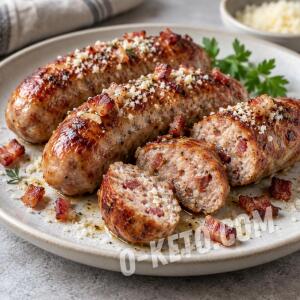
meat and offal (liver, heart);
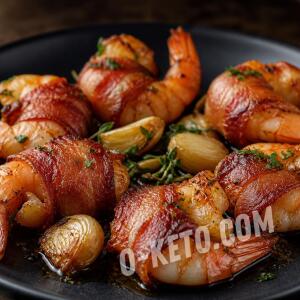
fish and seafood;
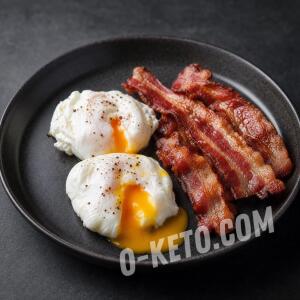
eggs;
dairy products;
legumes and whole grains (to a lesser extent).
Possible forms and their absorption
Nutrient forms are listed from best to worst:
N-acetylcysteine (NAC). The most bioavailable and stable form of cysteine easily penetrates cells and increases glutathione levels—the main antioxidant. It is used to support the liver, immunity, and detoxification, especially in stressful and inflammatory conditions.
L-cysteine. Natural amino acid, but less stable in the gastrointestinal tract — can be oxidized to cystine, reducing absorption. Supports skin and hair health and participates in glutathione synthesis, but works weaker than NAC.
Show 10 products
iHerb
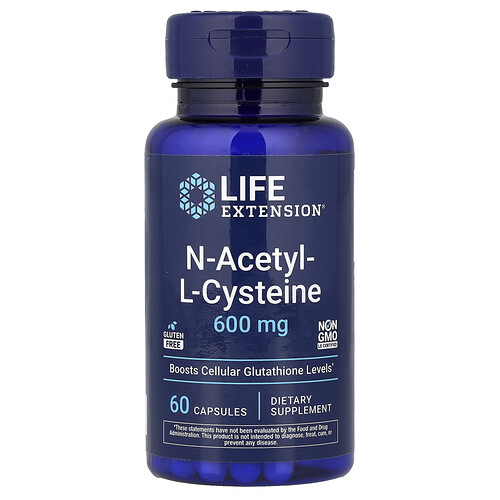
Life Extension, N-Acetyl-L-Cysteine, 600 mg, 60 Capsules
≈ $12.46
Buy
iHerb
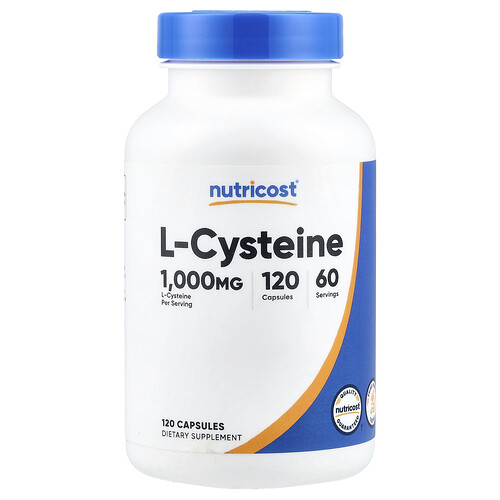
Nutricost, L-Cysteine, 120 Capsules (500 mg per Capsule)
S-methylcysteine. The compound found in garlic and onions exerts a mild antioxidant and hepatoprotective effect. It does not directly increase glutathione but may complement other forms.
Cystine. Dimer of two cysteine molecules is poorly absorbed and requires conversion back to the active form. It is rarely used in nutrition due to low effectiveness.
Symptoms and Consequences of Deficiency
A deficiency of cysteine can lead to decreased levels of glutathione and impaired antioxidant protection of the body.
Possible symptoms:
fatigue and weakness;
frequent infections due to weakened immunity;
skin and hair problems (brittleness, hair loss);
slowed tissue recovery;
increased risk of inflammation and oxidative stress.
People with liver, intestinal diseases, or protein metabolism disorders are particularly sensitive to cysteine deficiency.
Possible Risks of Excess and Their Manifestations
Taking high doses of cysteine, especially in supplement form, can lead to side effects.
disruption of the absorption of other amino acids, especially methionine.
Long-term consumption of more than 2000 mg per day may increase homocysteine levels—a marker of cardiovascular risks. Therefore, exceeding safe dosages without medical supervision is not recommended.
How to Maintain Optimal Levels
To maintain normal levels of cysteine:
consume protein-rich animal products;
if on a restricted diet, consider supplements (e.g., N-acetylcysteine), but only after consulting a specialist;
ensure intake of vitamins B6, B12, and folates that support amino acid metabolism;
include moderate physical activity and monitor the health of your liver and kidneys.
PubMed studies(9)
✓The role of protein palmitoylation in disease pathogenesis and therapeutic innovation.2026 05 29 · Annals of medicine
✓Chikungunya virus nsP2: Insights into viral replication, pathogenesis, and therapeutic targeting.2026 05 25 · Virulence
✓Modulation of GSNOR activity for improved NO homeostasis and flood resilience in plants.2026 01 15 · Plant signaling & behavior
✓is associated with attenuated metabolic improvements during obesity therapy in humans.2026 03 17 · Gut microbes
✓Microbiome functional gene pathways are indicative of cognitive performance in older adults at risk for Alzheimer's disease.2026 05 24 · Gut microbes
✓screening of compounds for targeting gastric cancer with Y220C p53 mutation: a molecule combining zinc chelation and a Michael acceptor drives and expression to restore a p53-dependent cytotoxicity.2026 05 21 · Journal of enzyme inhibition and medicinal chemistry
✓secreted factors drive epithelial-mesenchymal transition (EMT) through gingipains and an HS-mediated bacterial defense system.2026 03 24 · Gut microbes
✓HLA-B27-associated gut microbiota and amino acid perturbations promote ankylosing spondylitis through M1 macrophage activation.2026 02 16 · Gut microbes
✓Rapid and selective characterization of antibody-drug conjugates in complex sample matrices by native affinity liquid chromatography-mass spectrometry.2026 01 18 · mAbs
If you have any questions about the nutrient "Cysteine", you can ask them to AI. Please note, a low-cost OpenAI model is used. It may answer questions about disease treatment with errors!
Cysteine is considered a sulfur-containing amino acid that supports keratin synthesis in hair-loss protocols.
Treatment protocols are provided for informational purposes only. Do not use them on your own if you do not clearly understand what you are doing, are not a nutrition professional, or have not consulted a physician.
List of videos from YouTube about nutrients "Cysteine":