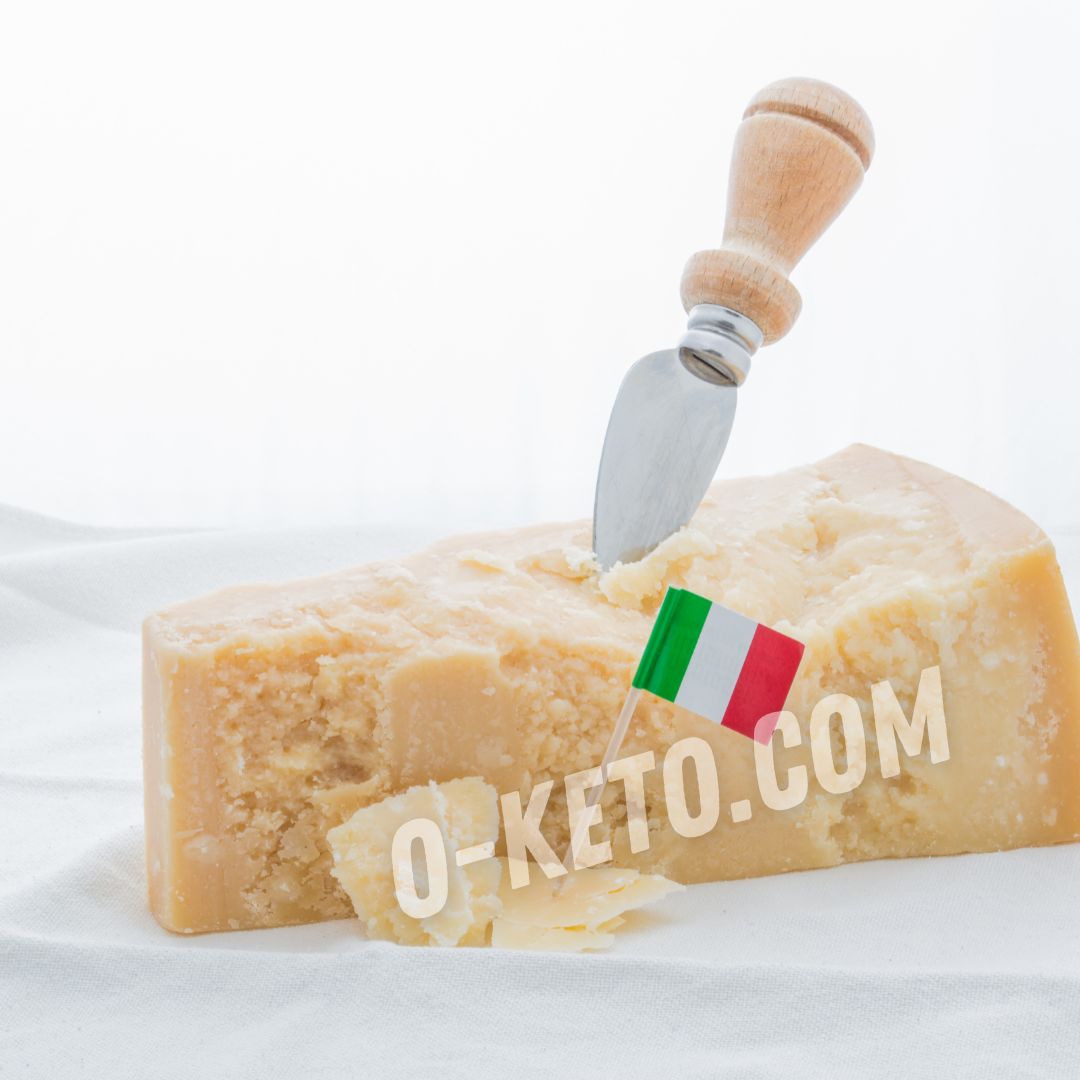

Parmesan, or Parmigiano-Reggiano, is a hard aged Italian cheese with a nutty, salty flavor and characteristic crystals in the texture. It is made from cow’s milk and aged for months or years, so the flavor becomes concentrated and only a small amount is needed in a dish.
For keto, Parmesan is useful as a low-carb cheese with very strong flavor. It is not usually eaten in large slices; it is grated, shaved or added as a finishing accent to eggs, vegetables, meat, fish and sauces.
Nutrition
Per 100 g, Parmesan often contains about 430 kcal, roughly 38 g of protein, 29 g of fat and about 3-4 g of carbohydrates. A 30 g portion provides about 110 kcal, around 10 g of protein, 7 g of fat and less than 1 g of carbohydrates. Glycemic load is low because sugars and starch are minimal.
Parmesan contains calcium, phosphorus, vitamin B12, vitamin A and other dairy nutrients. A 100 g amount is indeed rich in calcium and phosphorus, but that is a large and salty cheese portion. It is more practical to treat Parmesan as a concentrated addition, not the main mineral source.
Is Parmesan Keto-Friendly?
Yes, natural Parmesan fits keto and LCHF well. It enhances vegetables, salads and protein dishes without sugar or flour. Because it is aged, it usually contains little lactose, but reactions to dairy proteins remain individual.
Real Parmesan should be distinguished from grated cheese blends. Ready containers may contain anti-caking agents, starch, cellulose or cheaper cheeses. That does not always make the product bad, but carbohydrates and ingredients should be checked.
How to Use It
Parmesan works well as a seasoning with protein and fat. It gives umami, salt and nutty aroma, helping reduce the need for sweet sauces and bread-like toppings. Under strong heat it browns quickly, so it is often added at the end.
Practical options include:
- shavings on salad with olive oil;
- an addition to omelet, frittata or poached eggs;
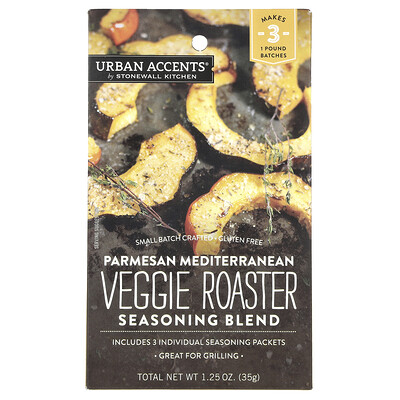
- a cheese crust on fish, chicken or cauliflower;
- sauce with butter, cream and garlic without flour;
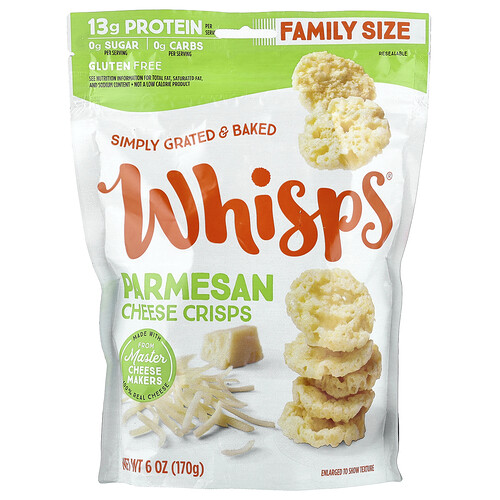
- crisp Parmesan chips instead of croutons.
How to Choose and Store
It is better to buy a piece and grate it before eating. The flavor is brighter and the ingredient list clearer. Good Parmesan is firm and slightly dry, with a clear aroma, no mold on the cut, no sticky surface and no ammonia smell.
Store it in the refrigerator wrapped in cheese paper or parchment and then in a container. Tight plastic without airflow can increase moisture. Grated Parmesan loses aroma faster, so prepare it in small amounts.
Limits
Parmesan is salty and calorie-dense. If sodium needs strict control, or with kidney, blood pressure or swelling concerns, the portion should be controlled. In keto it can be a useful addition, but not a reason to cover every dish with cheese.
Substitutes include Grana Padano, Pecorino, aged cheddar, Gruyere or another hard cheese. For a dairy-free option, nutritional yeast is sometimes used, but it is a different product and its carbohydrates should be checked separately.
Portion and Common Mistakes
For salad or vegetables, 10-15 g of grated Parmesan is often enough; for a cheese crust, 20-30 g may be used. If eaten as a standalone snack, the portion quickly becomes salty and calorie-dense. Grate the needed amount in advance.
A common mistake is adding Parmesan to dishes that already contain salty bacon, anchovies, ham or soy sauce without adjusting salt. The flavor becomes harsh and may push the dish toward sweet sauce or bread. Build the dish first and add Parmesan at the end.
The Parmesan rind can also be useful if it is clean and unwaxed: add it to soup or sauce for aroma, then remove it. For keto, this is a convenient way to add flavor without flour or starch, but the salt in the recipe should be reduced.
Serving and Storing a Piece
Parmesan shows its flavor best when grated right before serving. Thin shavings give more aroma from the same portion than a thick slice, which is convenient for keto. In hot dishes, add the cheese after removing the pan from heat or at the very end of baking.
A piece of cheese should be protected from excess moisture. If the edge dries out, it can still be used in sauce or broth, but a sticky surface, sharp smell or mold on the cut needs caution. Grated cheese should not stay open because it quickly loses aroma and absorbs refrigerator odors.