


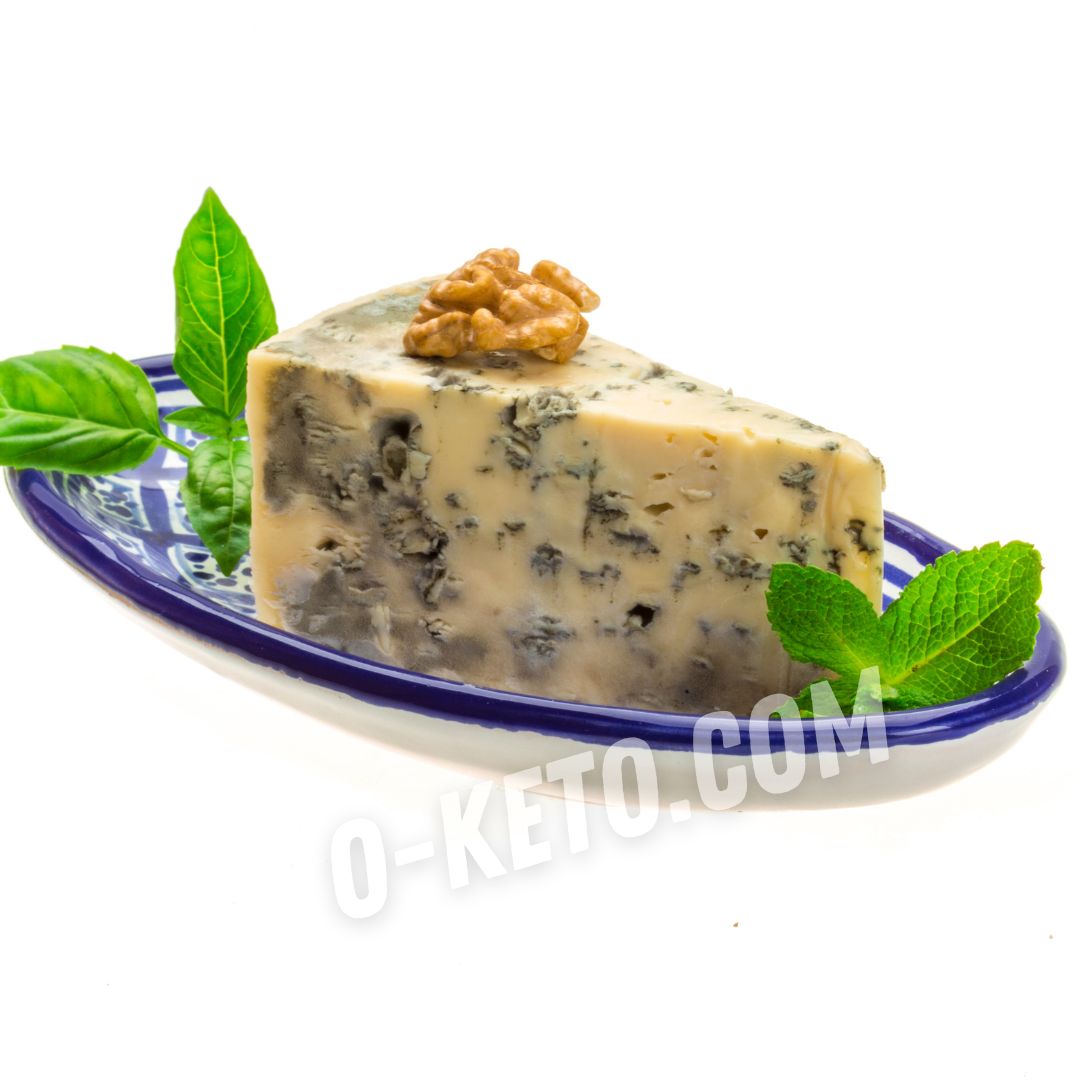

Dor Blue is a soft or semi-soft blue cheese with veins of noble mold. It is made from cow’s milk with starter culture, rennet, and Penicillium roqueforti or similar mold cultures. The flavor is creamy, salty, spicy, mushroom-like, and slightly sharp. It is milder than many stronger blue cheeses, so it often works for people who are just getting used to this category.
The name Dorblu is connected with German cheesemaking and the brand, not with Italian Lombardy. In cooking, however, it is useful to treat it as an accessible blue cheese for salads, sauces, cheese plates, baking, and savory snacks. The main thing is to remember its saltiness, fat content, and strong aroma: a small piece can change the whole dish.
Nutrition
In 100 g of Dor Blue cheese there are usually about 330-360 kcal, roughly 18-22 g of protein, 28-32 g of fat, and about 1-3 g of carbohydrates. Exact numbers depend on the producer and moisture level. It contains milk protein, fat, salt, calcium, and phosphorus, but it is concentrated, so the usual serving is smaller than 100 g.
For a practical menu, 20-40 g works better as an addition to a dish. That amount gives strong flavor, some protein and fat, but does not make a salad or omelet overly salty. Blue cheese is low in carbohydrates because much of the lactose is used during fermentation, although people who are very sensitive to dairy should still pay attention to tolerance.
Fit for keto and LCHF
Dor Blue fits keto and LCHF well by macros: high fat, moderate protein, and few carbohydrates. It pairs with eggs, steak, chicken, turkey, leafy salads, cucumbers, celery, mushrooms, cauliflower, broccoli, and nuts. The cheese helps create a more complex flavor without sweet sauces or flour.
The limit is usually not carbohydrates, but salt, calories, and flavor intensity. Too much cheese can easily dominate the rest of the ingredients. In keto dishes, it is best paired with a neutral fatty base such as cream, sour cream, butter, avocado, or mild low-carb vegetables.
How to use it
Dor Blue can be crumbled into salads, added to an omelet, melted into a cream sauce, mixed into steak butter, or used in fillings. For a sauce, warm cream or sour cream over low heat, add pieces of cheese, and stir until melted. Long boiling is not useful: the flavor becomes harsher and the texture may split.
For cold dishes, take the cheese out of the refrigerator 15-20 minutes before serving. The aroma becomes softer and the texture creamier. It works well with bitter leaves, walnuts, celery, cucumber, fried mushrooms, roast beef, baked chicken, and a small amount of berries if the carbohydrates are counted.
How to choose
Good blue cheese has a clean milky-mushroom aroma without ammonia, dampness, or rancid butter notes. The mold should be blue, blue-green, or grayish, distributed in veins rather than as fluffy growth on the surface. The package should not be swollen, leaking, or damaged.
A simple ingredient list is preferable: milk, salt, starter, enzyme, and mold cultures. Some products may contain stabilizers or preservatives, but sugar, starch, and vegetable fats are usually unnecessary in blue cheese. If the cheese is sold as a sauce or spread, read the label again because it may contain additions that are not present in a whole piece.
Limits
Blue cheeses contain a lot of salt and biogenic amines, so people sensitive to aged foods may notice discomfort. Pregnant people, anyone told by a clinician to follow stricter food safety rules, and those avoiding unpasteurized milk should choose pasteurized-milk versions and follow professional guidance.
If there is a reaction to mold-ripened cheeses, strong intolerance to milk protein, or lactose issues, Dor Blue is better avoided. For everyone else, the basic rule is simple: a small portion, a fresh package, and a normal smell.
Storage and substitutes
Dor Blue should be kept in the refrigerator, wrapped in parchment or cheese paper and then placed in a container. Tight plastic without air flow can make the smell sharper, while open storage dries the piece and transfers aroma to other foods. After opening, it is better to use the cheese within a few days.
It can be replaced with another blue cheese: gorgonzola, Roquefort, Stilton, or a milder blue cheese. If the goal is salty creaminess rather than a mold note, brie, Camembert, feta, or aged hard cheese may work, but the dish will taste different.


