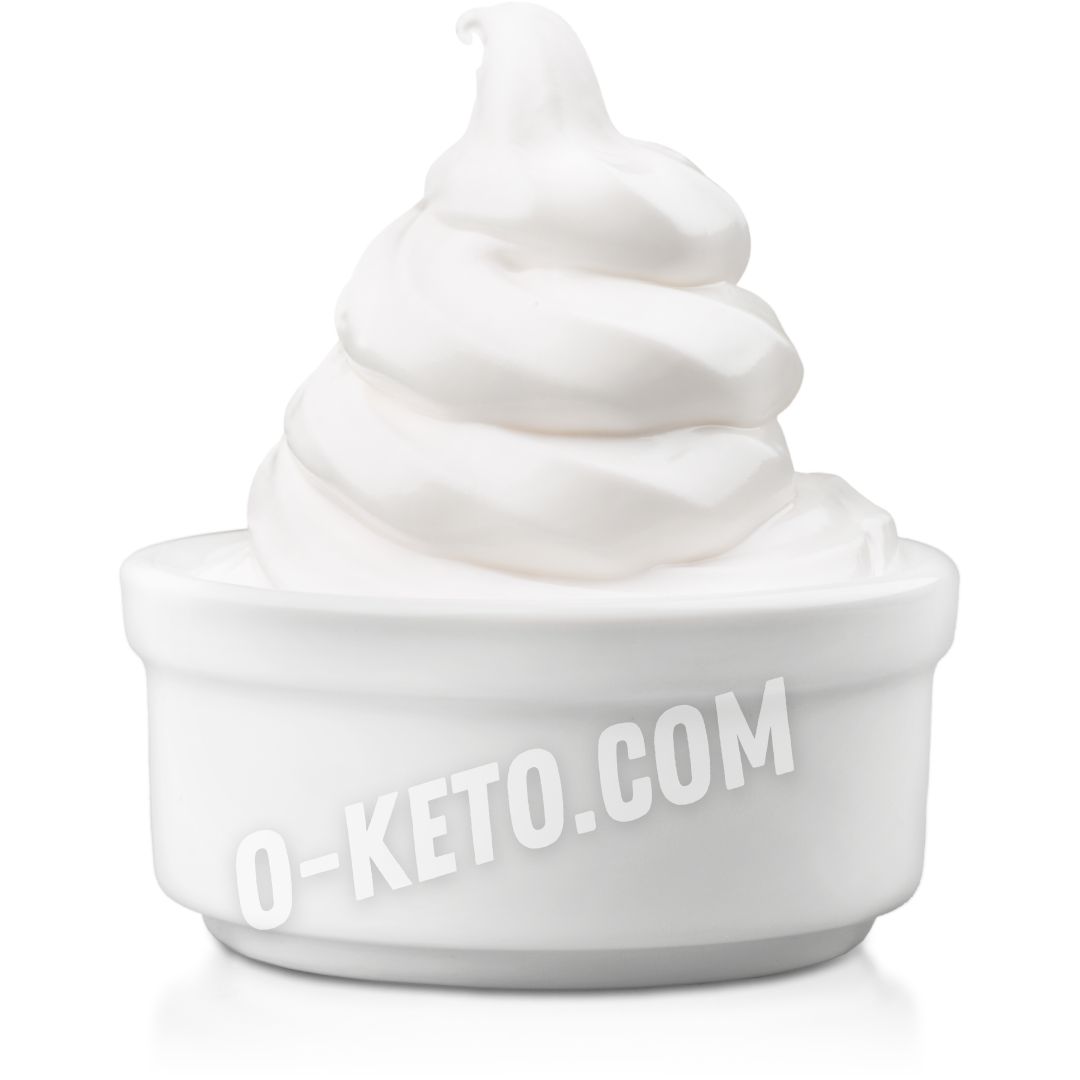

Cream with 35% fat is the rich dairy fraction separated from cow’s milk. It is used for sauces, cream soups, coffee, sugar-free desserts, whipping, braising, and giving dishes a smooth creamy texture. At 35% fat, it is thicker than ordinary light cream and useful where richness is needed without flour or starch.
It is important to distinguish cream from sour cream, milk, and plant-based substitutes. Cream usually has a mild dairy taste and a liquid or slightly thick consistency, while sour cream is tangier and fermented. They behave differently in recipes: cream blends more easily into coffee and sauces, while sour cream adds acidity and may split under strong heat.
Nutrition
In 100 g of 35% cream there are usually about 330-350 kcal, roughly 35 g of fat, 2-3 g of protein, and around 3 g of carbohydrates, mostly from lactose. Exact values depend on producer and processing. One tablespoon is about 15 g, so a small splash in coffee and a full cream sauce are very different in calorie impact.
Cream contains milk fat, small amounts of fat-soluble vitamins, and a little calcium, phosphorus, and B vitamins. Its main culinary role is fat, texture, and the ability to soften spice, acidity, and bitterness. It is a concentrated product, so the portion is worth noticing.
Place in keto and LCHF
35% cream fits keto and LCHF well if it contains no sugar and no thickeners that add meaningful carbohydrates. High fat and a small amount of lactose make it convenient for coffee, sauces, and sugar-free desserts. Still, it should not become an invisible source of excess calories: several generous servings a day quickly change the whole diet.
For stricter keto, check carbohydrates per 100 g and the ingredient list. Cream may contain stabilizers, carrageenan, starch, milk powder, or whipping aids. Not all of these matter in a tiny amount, but a sweetened or flavored product is no longer basic cream.
How to use
35% cream works well in creamy sauces for chicken, fish, mushrooms, cauliflower, spinach, and zucchini. It can be added to cream soups, omelets, coffee, unsweetened cocoa, mousses with erythritol, chia puddings, and small servings of berry desserts. In hot dishes, add it over moderate heat, do not boil it for long, and stir.
For whipping, the cream should be cold, and fat around 33-35% usually gives a stable texture. The bowl and whisk should be cold too. If you add a sweetener, use powdered erythritol or another suitable sugar-free option rather than syrup. Acidic ingredients should be added carefully so the mixture does not split.
How to choose
Good cream has a clean dairy smell, even taste without bitterness or rancid notes, a clear date, and proper storage instructions. The ingredient list can be very short: cream. A stabilizer is sometimes added, especially in ultra-pasteurized products, but sugar and starch are undesirable in basic cream.
If cream is needed for coffee, stability in hot liquid matters. If it is for whipping, fat content and absence of excess water matter. If it is for sauce, taste and resistance to splitting under heat matter. Do not buy a large carton if you use cream rarely; after opening, freshness declines quickly.
Limits
Cream contains dairy proteins and lactose, so it is unsuitable for milk allergy and may cause discomfort with lactose intolerance. Higher fat means less lactose per serving than milk, but lactose does not disappear completely. Large portions can feel heavy for digestion.
This is an energy-dense product. In a keto diet it can be useful, but cream should not be added automatically to every drink and dish. If weight loss stalls or normal meals become less appealing, it is worth checking how much cream is actually used per day.
Storage and substitutes
Keep cream refrigerated and use it after opening within the period stated by the producer. Do not leave the carton on the table, do not drink directly from it, and close it tightly. Sour smell, flakes, gas, bitterness, or mold are reasons to discard it.
In recipes, 35% cream can be replaced with cream of another fat level, crème fraîche, mascarpone, cream cheese, unsweetened coconut cream, or sour cream if acidity is acceptable. For coffee, cream or coconut cream works better; for a thick sauce, mascarpone or cream cheese; for a tangy sauce, sour cream. The substitute depends on needed fat, flavor, and heat behavior.