


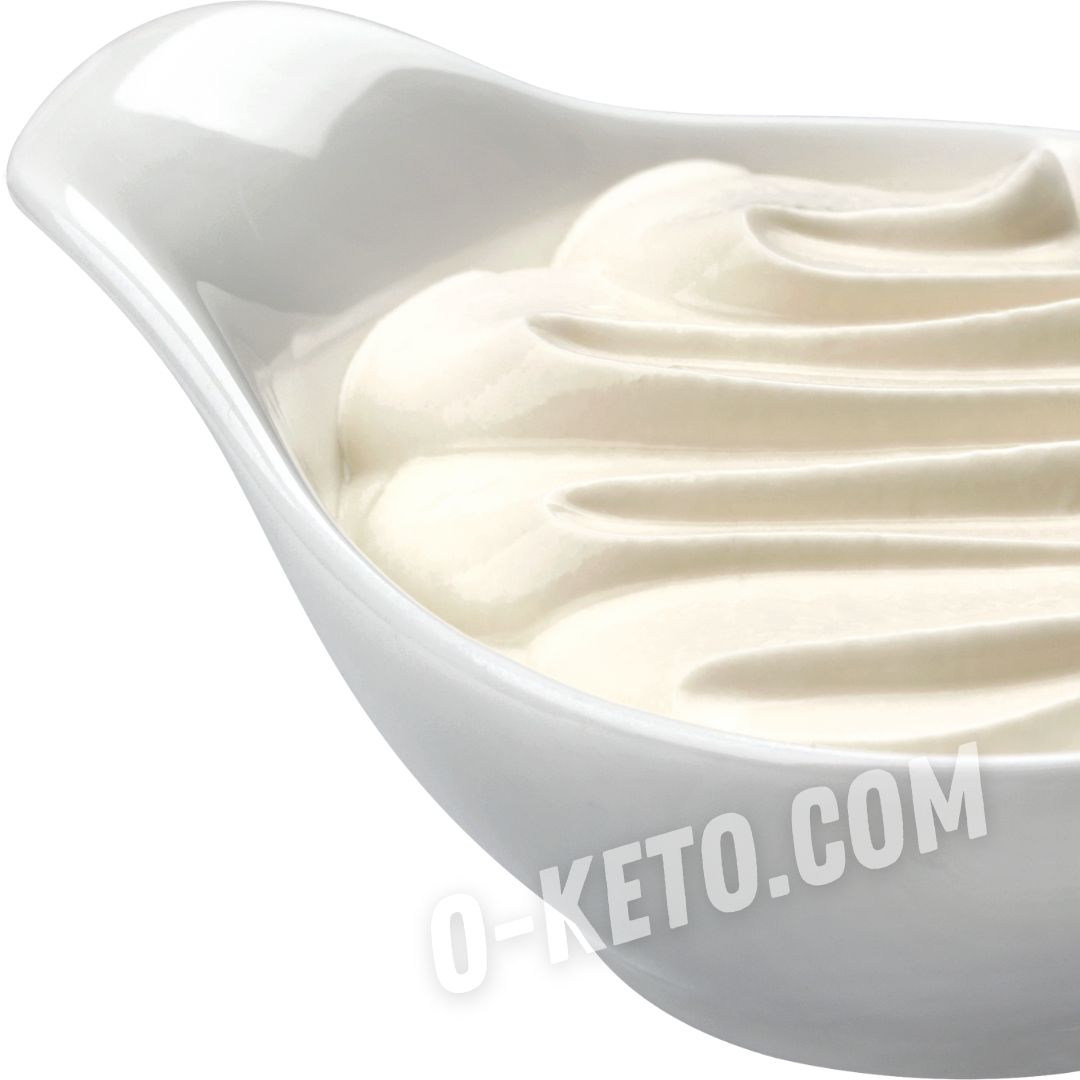

20% cream is a liquid dairy product with medium fat content, used in sauces, soups, coffee, sugar-free desserts, omelets, casseroles and stewed dishes. It is thicker than milk but lighter than heavy cream with 30-35% fat, so it fits dishes that need creaminess without a very dense texture.
For keto and LCHF, 20% cream is convenient as a source of fat and mild dairy flavor with a small amount of carbohydrates. But it is not an unlimited addition: cream is calorie-dense, contains lactose and is easy to pour in a larger amount than planned. So it is better to count both carbohydrates and actual volume.
Nutrition
Per 100 ml of 20% cream, common values are about 200-220 kcal, 20 g of fat, about 2 g of protein and less than 3 g of carbohydrates. The glycemic index is often listed around 30, and glycemic load in a normal serving remains low because the carbohydrate amount is small.
- Calories: about 200-220 kcal per 100 ml;
- Fat: about 20 g;
- Protein: about 2 g;
- Carbohydrates: less than 3 g;
- Glycemic index: about 30.
Cream may contain vitamin A, vitamin D, vitamin K, vitamin E, calcium and other milk components. In low-carb cooking, its main practical role is fat content, flavor and the ability to soften acidic, spicy and salty dishes.
Is It Keto-Friendly?
Unsweetened 20% cream usually fits keto. A 20-50 ml serving in coffee, sauce or soup gives creaminess and adds only a small amount of carbohydrates. If 100-150 ml is used, carbohydrates may still be moderate, but the calories become noticeable.
For strict keto, the whole day matters. If the menu already includes cheese, cream cheese, yogurt, nuts or a sugar-free dessert, a large portion of cream may be too much. In dishes with meat, fish, eggs and non-starchy vegetables, cream usually fits more easily than in sweet drinks and desserts.
Sweet cream, canned whipped cream, flavored coffee creamers and ready-made cream sauces may contain sugar, syrups, starch or vegetable oils. For keto, plain unsweetened cream is easier, with spices, salt, herbs or sweetener added separately if needed.
How to Use It
20% cream works well in hot and cold dishes. It can be added to sauces for chicken, fish, mushrooms and vegetables, pureed soups, omelets, coffee, tea, sugar-free desserts and homemade creams. When heating, avoid boiling it for too long: the flavor can become rougher and the texture less smooth.
Practical options include:
- 20-30 ml in coffee instead of milk;
- 50 ml in sauce for chicken, fish or mushrooms;
- an addition to cauliflower or broccoli pureed soup;
- a base for a sugar-free dessert with cocoa or vanilla;
- softening an acidic tomato or mustard sauce.
How to Choose
Look for an ingredient list without sugar, starch, syrups or unnecessary flavorings. Plain cream may contain only cream, sometimes a stabilizer if the product is intended for cooking. If vegetable fats are listed, it is no longer classic dairy cream but a different product with a different texture and taste.
Check fat content and purpose. 20% cream works for sauces and drinks, but it whips worse than higher-fat versions. For a firm cream or cheesecake, 30-35% cream or cream cheese is often needed; for a light soup, 20% is usually enough.
Storage and Limits
Cream should be kept in the refrigerator and used after opening within the time listed on the package. Sour smell, bitterness, flakes, gas or a swollen package are signs not to use it. Ultra-pasteurized cream keeps longer while sealed, but after opening it also needs refrigeration.
Limits are related to lactose, milk proteins and calorie density. Even when carbohydrates are low, cream can easily raise the energy density of a dish. For portion control, it is convenient to pour it into a measuring spoon or small glass rather than directly from the carton.
Substitutes
If higher fat is needed, heavy cream, mascarpone, cream cheese or a little butter in a sauce can work. If fewer calories are needed, milk, unsweetened Greek yogurt or sour cream may be used, but flavor and behavior when heated will differ.
For a dairy-free option, unsweetened coconut cream is sometimes used, but it has its own aroma. In keto recipes, choose the substitute by task: coffee needs softness, sauce needs stable texture, and dessert needs fat content and the ability to hold shape.
How to Keep Cream Smooth
In acidic sauces, 20% cream is best added gradually and not boiled hard. Tomato, lemon, wine, mustard and vinegar can make the texture less even, especially if the sauce is overheated. For a more stable result, lower the heat first, then add cream and warm it briefly.
If a thicker sauce is needed without starch, it can be reduced gently, combined with a little cream cheese, thickened with yolk under careful heat or replaced with heavier cream. This gives body without flour or sweet thickeners.


